
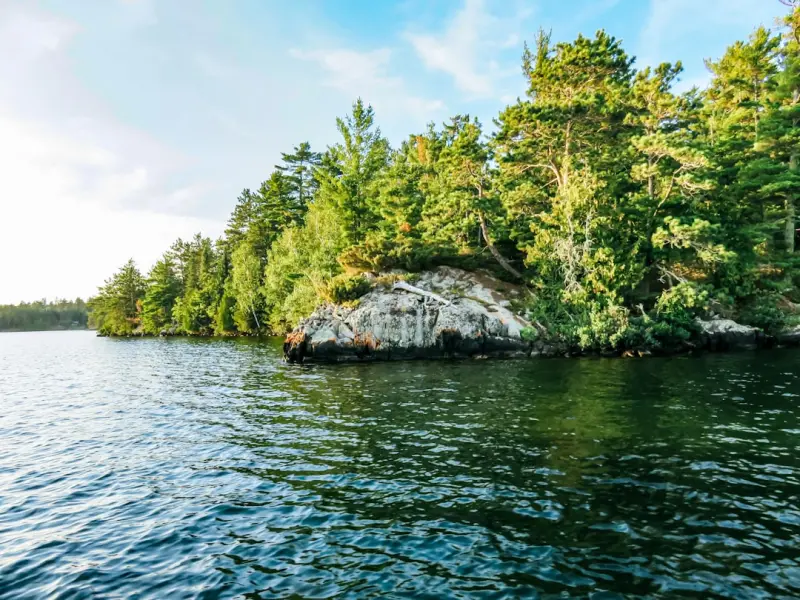
Ontario’s Quiet Shorelines: A Personal Invitation
Every time I pull my boat out of the marina on a mist‑laden morning, the water seems to whisper a promise that only the most attentive anglers can hear. Ontario’s coastline stretches far beyond the famed spots, offering a network of hidden bays where the fish are as curious as the anglers who seek them. I have spent countless sunrise hours drifting along lesser‑known inlets, letting the rhythm of the lake guide my thoughts and my line. In those moments, the province feels less like a map of counties and more like a living, breathing canvas painted with ripples and reflected sky.
Reading the Water: Signs That Speak to the Soul
The art of interpreting water is a dialogue between instinct and observation, and it has taught me to respect the subtle cues that each lake offers. When a surface breaks in a slow, deliberate pattern, it often signals a school of walleye testing the early light. Temperature layers, the faint scent of algae, and even the way wind curls around a peninsula can betray the presence of trout or bass beneath. Learning to read these signs has transformed my outings from simple trips into immersive experiences that feel as intimate as a conversation with an old friend.
Learning From the Land’s First Guardians
Indigenous stewardship of Ontario’s waterways is a legacy that predates any modern fishing guidebook, and their teachings have reshaped my approach to the sport. I have sat beside Anishinaabe elders who explained how seasonal migrations of fish are linked to the moon’s phases and the health of surrounding wetlands. Their principle of taking only what is needed, and always giving back, resonates deeply with my own desire to keep the rivers thriving for future generations. Incorporating these time‑honored practices has not only improved my catch rates but also deepened my reverence for the ecosystems that sustain us.
Exploring Ontario’s Overlooked Lakes
While many anglers flock to the famed waters of Lake Simcoe or the Muskoka region, I have found unparalleled solitude in places like Lake Wabakimi, Lake Nipigon, and the secluded coves of Lake St. Joseph. Each of these hidden gems offers a unique blend of terrain—rocky shorelines, submerged snags, and dense forest canopies that create natural feeding corridors for northern pike and smallmouth bass. The journey to these spots often involves a modest drive on winding gravel roads, followed by a short paddle that feels more like an adventure than a commute. The payoff? Uncrowded waters where the fish are less wary and the experience feels truly personal.
Sustainable Gear for the Conscious Angler
Choosing the right equipment is an extension of the respect we show to the waters we love, and today’s market provides options that honor that ethos. Biodegradable lures, made from plant‑based polymers, dissolve harmlessly if lost, preventing plastic buildup that can choke aquatic habitats. Local manufacturers in Sudbury and Thunder Bay now produce hand‑crafted rods from reclaimed hardwood, reducing the carbon footprint associated with overseas shipping. By supporting these regional producers, we not only lower emissions but also keep the economic benefits of fishing within Ontario’s communities—a point echoed in a recent discussion on modern Canadian entrepreneur strategies.
From Hook to Table: Celebrating Regional Flavors
There is a profound satisfaction in turning a day’s catch into a meal that reflects the terroir of Ontario’s forests and farms. Pairing freshly caught walleye with locally sourced maple glaze and a side of heirloom carrots brings the lake’s essence onto the plate. For those who enjoy experimenting, a pinch of the “tiny diet tweaks” described in a popular health guide can elevate the dish without overwhelming the natural flavor of the fish—a subtle nod to the article on tiny diet tweaks. This farm‑to‑fork journey reinforces the circle of stewardship, reminding us that what we take from the water can nourish both body and community.
Community Catch‑and‑Share Events: Building Bonds
Beyond the solitary moments on the water, Ontario’s fishing culture thrives on gatherings where anglers exchange stories, techniques, and occasionally, a portion of their haul. In towns like Pembroke and Espanola, monthly catch‑and‑share festivals turn the shoreline into a bustling marketplace of knowledge, where newcomers learn to tie the perfect knot from seasoned veterans. These events often feature local chefs demonstrating how to prepare the day’s catch, turning the celebration into a culinary showcase. The sense of camaraderie forged in these gatherings underscores the social fabric that sustains our fishing heritage.
Citizen Science: A Future Guided by Anglers
As climate patterns shift and fish populations adapt, the role of anglers is evolving from passive observer to active data collector. Many of us now carry simple logbooks or use mobile apps to record catch sizes, locations, and water conditions, contributing to provincial monitoring programs that inform conservation policies. This collaborative effort empowers us to spot emerging trends—such as the northward movement of lake trout—before they become critical concerns. By embracing citizen science, we ensure that our love for Ontario’s waters translates into actionable insight, safeguarding the lakes for the generations of anglers yet to cast their lines.

Related Posts

Fishing With Respect: Ontario’s Path to Sustainable Angling
A deep dive into Ontario’s evolving fishing culture, blending Indigenous stewardship, innovative t... Read More
Rethinking Ontario Fishing: How Data, Drones, and Community Are Changing the Catch
A deep dive into the new wave of tech‑savvy, community‑focused fishing in Ontario, exploring dro... Read More
Ontario Fishing: A Local’s Journey Through Seasons, Tastes, and Trails
Discover Ontario’s diverse fishing scene with insider tips, hidden locations, sustainable practice... Read More
Top Posts

Beyond the Horizon: Digital Storytelling Takes the Wheel on Cruises and Bus Tours
Travel is no longer just a route; it’s a living story. Discover how cruises and bus tours are using digital storytelling, AI, and personalized content to turn...Read More
How Canada’s Telehealth Revolution Is Redefining Rural Care
Telehealth is bridging the gap for remote Canadians, offering secure, culturally aware virtual care that reduces travel, improves outcomes, and reshapes the nat...Read More
The Climate Pivot: Redrawing the Federal‑Provincial Map in Canada
Climate policy is no longer a side issue in Canada; it’s reshaping federal‑provincial relations, forging Indigenous partnerships, and prompting fresh politi...Read More

Rooftop Gardens: Bringing Green to the Skyline
Explore the rise of rooftop gardens across Canadian cities, offering fresh food, neighborly bonds, and eco‑friendly benefits despite harsh winters and urban c...Read More
0 Comments
Post Comment
You will need to Login or Register to comment on this post!