

Why the Story Behind Your Plate Is the Hottest Ingredient Right Now
When I sit down to a bowl of ramen, I’m not just tasting broth and noodles; I’m tasting the journey of a farmer in Hokkaido, a late‑night experiment by a home‑cook in Toronto, and the whispered hype of an Instagram reel that just went viral. Food has always been cultural glue, but in the age of scroll‑first media, the story that tags along with each bite is becoming the most valuable seasoning of all.
The Rise of Narrative‑Driven Dining
Restaurants once relied on ambience, service, and culinary skill to stand out. Today, the narrative—the why, where, and who of a dish—has morphed into a competitive advantage. A plate that tells a tale invites diners to become part of a larger conversation, turning a simple lunch into a shareable moment that spreads across feeds faster than any traditional marketing campaign.
Consider the surge of pop‑up eateries that appear in abandoned warehouses, rooftop gardens, or even inside art galleries. They’re not just serving food; they’re curating an experience that feels exclusive, fleeting, and—most importantly—story‑rich. The buzz isn’t merely about the menu; it’s about the story arc that begins the moment you walk through the door.
From Farm to Feed: The Micro‑Storytelling Trend
Micro‑storytelling is the art of delivering bite‑sized narratives that fit perfectly into a scrolling feed. Think of a 15‑second Reel that shows a seed being planted, a sprout breaking through soil, and the final dish plated with a single, heartfelt caption. This format does three things:
- Authenticates the source—consumers crave transparency about where their food comes from.
- Humanizes the brand—seeing the faces behind the produce creates an emotional connection.
- Amplifies shareability—short, compelling clips are more likely to be re‑posted, expanding reach organically.
Even the most high‑tech establishments are tapping into this. Flavor Alchemy explores how AI can suggest flavor pairings, but the real magic happens when those pairings are wrapped in a narrative that tells why those flavors matter to a specific community.
Why Small Spaces Are the New Storytelling Arenas
There’s a growing fascination with turning tiny, often overlooked spaces into culinary stages. Take the balcony garden trend that turned cramped city balconies into gourmet micro‑farms. The story isn’t just about fresh herbs; it’s about urban resilience, sustainability, and personal empowerment. When a chef pulls basil from a balcony pot and incorporates it into a signature cocktail, that single act becomes a narrative hook that media outlets and social platforms love to amplify.
That Balcony Harvest movement illustrates how space constraints can fuel creativity, giving rise to stories that celebrate ingenuity over abundance.
The Psychology Behind Food Narratives
Our brains are wired for stories. Neurological studies reveal that when we hear a story, our brain releases oxytocin—the “trust hormone”—which heightens our emotional involvement and makes us more receptive to messages. In the context of food, this means a well‑crafted story can:
- Increase perceived value, allowing establishments to command premium prices.
- Boost customer loyalty, as diners feel they’re part of a community narrative.
- Drive repeat visits, because the story evolves with each new dish or seasonal change.
Even corporate cafeterias are catching on. Companies are weaving employee well‑being narratives into their lunch programs, positioning meals as part of a broader health and productivity story. Why Investing in Employee Well‑Being Is the Smartest Business Move Right Now highlights how these narratives can improve morale and reduce turnover.
How Brands Can Craft Compelling Food Stories
Here’s a step‑by‑step framework to turn any dish into a shareable story:
- Identify the Origin: Pinpoint the geographic, cultural, or personal roots of the ingredient or recipe.
- Highlight the Hero: Feature the farmer, fisherman, or home‑cook who makes the ingredient possible.
- Show the Process: Capture key moments—seed planting, dough kneading, fermentation—that reveal craftsmanship.
- Connect to Emotion: Tie the dish to feelings like nostalgia, adventure, or community.
- Invite Interaction: Encourage diners to share their own experiences or variations on social media.
When each of these elements is present, the story becomes a living, breathing asset that can be repurposed across platforms, menus, and even packaging.
Case Study: The “Midnight Maple” Cocktail
One boutique bar in Vancouver launched a cocktail called “Midnight Maple” that combined locally sourced maple syrup with a smoked rosemary garnish. Rather than simply listing ingredients, they released a short video series:
- Episode 1: A maple farmer explains the sustainable harvesting process.
- Episode 2: The bartender walks through the cocktail’s creation, emphasizing the smoky rosemary’s symbolism of forest resilience.
- Episode 3: Patrons share personal stories of their first taste, linking the drink to moments of celebration.
The campaign generated a 45% increase in foot traffic and thousands of user‑generated posts, each adding a new layer to the cocktail’s narrative.
Leveraging User‑Generated Content (UGC)
UGC is the ultimate proof that a story resonates. When diners tag a brand or share a personal anecdote, they become co‑creators of the narrative. Brands should:
- Feature fan stories on official channels.
- Run contests that reward the most compelling food‑related tale.
- Provide simple, branded hashtags that make it easy to find and aggregate content.
By amplifying authentic voices, the brand’s story evolves organically, keeping it fresh and relevant.
Balancing Authenticity and Marketing
There’s a thin line between genuine storytelling and contrived marketing fluff. Audiences are quick to call out inauthenticity. The key is to:
- Stay transparent—share both successes and challenges.
- Avoid over‑editing; raw, unpolished moments often feel more authentic.
- Keep the focus on people, not just products.
When authenticity is prioritized, the story becomes a trusted resource rather than a sales pitch.
Future Trends: Immersive Storytelling and Sensory Tech
Looking ahead, we’ll see a blend of narrative and immersive tech. Imagine AR glasses that overlay the farmer’s story onto a plate, or QR codes that unlock a 360‑degree video of a vineyard during harvest. While these technologies are still emerging, they promise to deepen the emotional connection between diners and the origins of their food.
Even now, pop‑up experiences are experimenting with multisensory storytelling—pairing soundscapes, scent diffusers, and tactile elements to transport diners to the dish’s birthplace without leaving the city. This fusion of story and sensation could become the next frontier for brands seeking a competitive edge.
Takeaway: Your Plate Is a Canvas, Your Story Is the Paint
In the crowded world of food and drink, the most potent differentiator isn’t a secret spice or a new cooking technique—it’s the story you tell. From the humble balcony herb to a high‑tech cocktail, weaving narrative into every bite transforms ordinary meals into memorable experiences that travel far beyond the table.
So next time you’re planning a menu, a launch, or even a simple home‑cooked dinner, ask yourself: What’s the story here? If you can answer that authentically, you’ve already seasoned your dish with the most coveted ingredient of all: connection.

Related Posts

Beyond the Bean: Crafting Canada's Next‑Gen Coffee Experiences
Explore the surge of innovative coffee movements across Canada, from zero‑waste brewing to hyperâ€... Read More
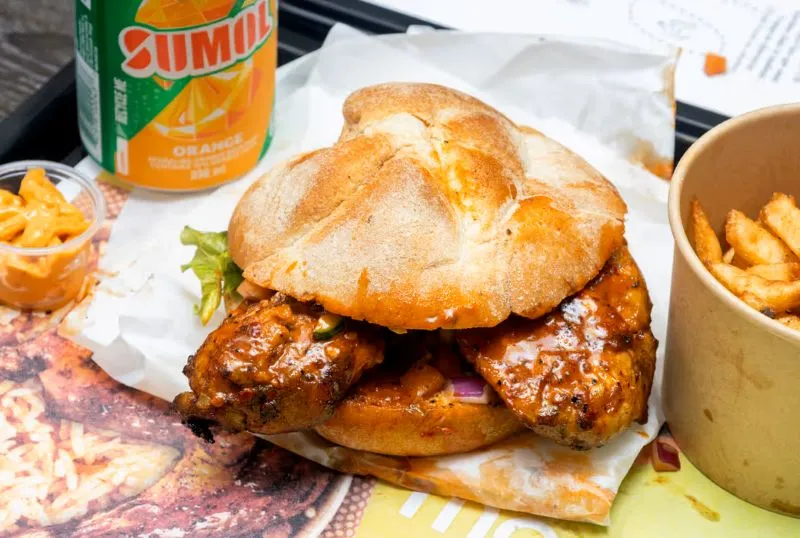
Monteiro Express: Montreal's Delicious and Affordable Portuguese Chicken Secret
Have you ever stumbled upon a restaurant that completely surprises you? That's exactly what happened... Read More

Rooftop Gardens and the Flavor Revolution: Growing Gourmet Herbs at Home
Learn to grow micro‑herbs on your balcony or kitchen window, master the science of flavor, and bri... Read More
Top Posts

Turning Tariffs into Strategic Levers: A Data‑First Playbook for SaaS Leaders
A fresh, data‑centric guide shows SaaS leaders how to transform tariffs from hidden costs into strategic levers, using real‑time intelligence, predictive co...Read More

Powering Canadian Homes: How Renewable Tech is Redefining Everyday Life
A deep dive into the latest home energy innovations sweeping Canada, from winter‑ready solar panels to shared microgrids, and practical steps to make your hou...Read More

Decision Hygiene: How to Cleanse Your Business Choices for Sustainable Growth
Decision hygiene is a disciplined practice that filters noise, sets clear criteria, and documents rationale to improve decision‑making, reduce fatigue, and dr...Read More

Breathing Into Balance: A Practical Guide to Everyday Resilience
This article explores the science of breath, debunks common myths, and offers three easy practices that fit into any busy schedule, helping readers harness brea...Read More
0 Comments
Post Comment
You will need to Login or Register to comment on this post!