
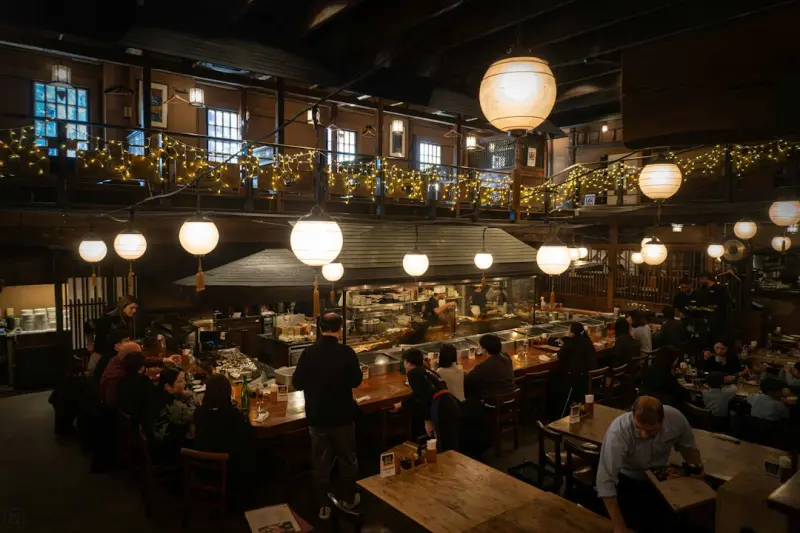
When diners swipe their phones to order a bowl of ramen, they’re not just craving flavor—they’re buying a promise of speed, personalization, and sustainability. The restaurant industry, long celebrated for its artistry, is now in the midst of a tech‑driven metamorphosis that’s reshaping kitchens, menus, and even the streets where food is served. In this post, I’ll dive into three interlocking trends that are turning traditional dining on its head: the explosion of ghost kitchens, AI‑curated menus, and hyper‑local sourcing powered by data.
The Ghost Kitchen Boom: Real Estate Meets Delivery
Imagine a city where the only visible sign of a restaurant is a sleek, glass‑front storefront. Behind the scenes, dozens of culinary concepts are cooking up their signature dishes in the same 5,000‑square‑foot warehouse. That’s the ghost kitchen model, and it’s not a fleeting fad.
Why are restaurateurs flocking to these invisible kitchens?
- Lower overhead. Without the need for prime‑location rent, decor, or front‑of‑house staff, operators can slash fixed costs by up to 40%.
- Data‑driven location choices. Companies are using delivery heat‑maps to locate optimal kitchen spots, ensuring a 20‑30% reduction in delivery times.
- Menu agility. Swapping a taco for a sushi roll is a matter of minutes, not weeks of re‑training staff.
But ghost kitchens also raise fresh challenges. The lack of a physical dining experience can dilute brand storytelling, and the reliance on third‑party delivery platforms means restaurants often surrender a hefty commission—sometimes as much as 30% of each order. The key to thriving in this space is to blend the convenience of delivery with the authenticity of a brand’s culinary voice.
AI‑Curated Menus: From Guesswork to Precision
Artificial intelligence is no longer the stuff of sci‑fi movies; it’s now a sous‑chef whispering suggestions to chefs and managers alike. AI platforms analyze sales data, seasonal ingredient availability, and even local weather patterns to recommend menu items that are likely to sell.
Consider a downtown bistro that sees a surge in soup orders when the temperature drops below 10°C. An AI engine can flag this trend and suggest a limited‑time “Winter Warm‑Up” menu, pairing that soup with a complementary beverage that’s also trending on social media. The result? Higher table turnover and reduced waste.
Beyond predictive analytics, AI is also reshaping the very creation of dishes. Generative models can propose flavor pairings that a human palate might never consider, leading to innovative offerings that generate buzz on platforms like TikTok and Instagram.
Of course, the rise of AI brings a responsibility: ensuring that algorithmic recommendations don’t unintentionally marginalize certain cuisines or price points. That’s where ethical AI governance becomes a crucial conversation for any restaurant that wants to stay both cutting‑edge and inclusive.
Hyper‑Local Sourcing Powered by Data
Consumers are increasingly demanding transparency about where their food comes from. The answer? A data‑rich, hyper‑local supply chain that connects farmers, distributors, and restaurants in real time.
Take the example of a farm‑to‑table pizza joint that sources heirloom tomatoes from a 10‑acre plot just 15 minutes away. By leveraging the technology detailed in From Soil to Screen, the restaurant can track soil health, forecast yields, and adjust orders on the fly. This not only guarantees peak freshness but also minimizes the carbon footprint associated with long‑haul transportation.
Data integration also helps restaurants manage inventory more intelligently. If a particular pepper variety is forecasted to underperform due to an upcoming frost, the kitchen can pivot to dishes that spotlight alternative ingredients, reducing the risk of waste and keeping the menu exciting.
Financial Wellness for Restaurants: A New Playbook
While tech and sourcing trends dominate headlines, the underlying financial health of a restaurant remains the bedrock of any innovation. The pressure of rising labor costs, fluctuating ingredient prices, and the ever‑present threat of rent hikes means that owners need a robust financial strategy.
The Financial Wellness Playbook offers a roadmap that goes beyond basic bookkeeping. It encourages restaurateurs to adopt a “wellness” mindset—treating cash flow, labor scheduling, and supply chain resilience as interconnected aspects of a healthy operation.
Key tactics include:
- Dynamic pricing. Adjust menu prices based on real‑time ingredient costs and demand patterns.
- Labor forecasting. Use predictive analytics to align staffing levels with expected foot traffic, reducing overtime expenses.
- Subscription models. Offer meal plans or “food clubs” that provide predictable revenue streams and deepen customer loyalty.
Building Community Through Shared Kitchen Spaces
One surprising offshoot of the ghost kitchen phenomenon is the emergence of shared‑use commercial kitchens. These spaces function like co‑working hubs for chefs, allowing multiple brands to operate under one roof while sharing equipment, utilities, and even marketing resources.
Shared kitchens foster collaboration: a pastry chef might partner with a coffee roaster to create a limited‑edition latte, or a vegan pop‑up could team up with a local brewery for a pairing night. The communal vibe also resonates with diners who crave authenticity and a sense of place, even when ordering from a virtual brand.
Future‑Proofing Your Menu: The Role of Sustainability Metrics
Beyond sourcing, sustainability now encompasses the entire lifecycle of a dish—from farm to plate to post‑plate waste. Restaurants are beginning to embed sustainability scores into their menus, allowing diners to see the environmental impact of each item at a glance.
Implementing such a system requires clear metrics: carbon emissions per serving, water usage, and waste generated. With these data points, chefs can make informed decisions—perhaps swapping a beef‑heavy entrée for a plant‑based alternative that reduces emissions by 50% without compromising flavor.
When diners feel empowered to make eco‑friendly choices, they’re more likely to become repeat customers, turning sustainability from a buzzword into a competitive advantage.
Conclusion: The Convergence of Tech, Taste, and Transparency
Restaurants today stand at a crossroads where technology, consumer expectations, and sustainability intersect. Ghost kitchens unlock new efficiencies, AI curates menus that delight and surprise, and data‑driven sourcing ensures freshness while supporting local economies. Layered on top of solid financial wellness practices, these trends empower restaurateurs to innovate without sacrificing stability.
As we look ahead, the most successful eateries will be those that treat technology not as a gimmick, but as an extension of their culinary philosophy—using it to amplify flavor, foster community, and honor the planet.

Related Posts
How AI is Rewriting the Restaurant Playbook: From Menu Curation to Zero‑Waste Kitchens
The post examines AI-driven menu personalization, predictive waste reduction, ghost kitchens, and im... Read More

Turning Leftovers into Gold: Circular Strategies for Modern Restaurants
Learn how restaurants can transform prep scraps, unsold inventory, and plate waste into profitable s... Read More

Ghost Kitchens and the Data‑Driven Future of Dining
Ghost kitchens are revolutionizing dining by combining low overhead with data‑driven insights, ena... Read More
Top Posts

The Invisible Price Tag of Convenience: How On‑Demand Services Reshape Household Budgets
Convenience services like food delivery and streaming subscriptions quietly inflate household budgets. This article uncovers hidden fees, the psychology behind ...Read More
Why a National Data Trust Could Redefine Our Digital Future
A national data trust could return ownership of personal data to Canadians, fueling economic growth, improving public services, and restoring trust in digital e...Read More

Turning Data into Dialogue: How Conversational AI Is Reshaping Modern Marketing
Explore the rise of conversational AI in marketing, how it redefines the customer journey, and the metrics that prove its impact on brand growth....Read More

Beyond the Tassel: Reinventing Prom and Graduation for the Digital Age
A deep dive into the emerging trends—live‑streaming, VR venues, eco‑friendly gowns, data‑driven planning, and community partnerships—that are moderniz...Read More
0 Comments
Post Comment
You will need to Login or Register to comment on this post!