
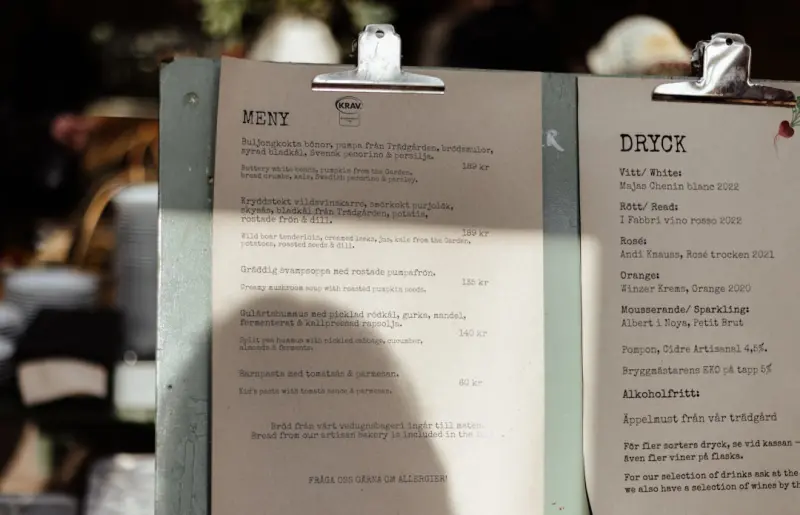
When I first walked into a tiny downtown bistro that let me customize my entrée with a swipe on a tablet, I felt like I’d stepped into the future. The menu didn’t just list dishes—it asked me about my flavor preferences, dietary goals, and even my mood that day. Within seconds, an algorithm suggested a dish that was surprisingly spot‑on. That moment sparked a question that’s now buzzing through every kitchen, boardroom, and culinary school: how is artificial intelligence reshaping the very DNA of restaurants?
The Rise of AI‑Powered Menu Personalization
Traditional menus are static. They’re printed, laminated, or displayed on a board, and they rarely change except for seasonal updates. AI flips that script by turning the menu into a living, breathing interface that learns from each guest. Here’s how it works:
- Data collection at the point of sale. Modern POS systems capture order histories, modifications, and even the time guests spend scanning a menu.
- Flavor‑profile algorithms. By analyzing patterns—sweet‑to‑savory ratios, spice tolerance, and preferred protein types—AI builds a nuanced taste map for each diner.
- Dynamic dish recommendations. The system cross‑references the taste map with current inventory, chef specials, and kitchen capacity to suggest dishes that delight the guest and keep the line moving.
This isn’t just a gimmick. Restaurants that have piloted AI‑driven personalization report a 12‑15% lift in average check size and a noticeable bump in repeat visits. The technology also helps chefs experiment responsibly. By knowing which flavor combinations resonate, they can innovate without the risk of a costly flop.
For those skeptical about data‑driven taste, consider the science behind food pairing science. Researchers have long shown that certain compounds naturally complement each other, creating harmony on the palate. AI simply scales that knowledge, applying it to thousands of diners in real time.
Zero‑Waste Kitchens Powered by Predictive Analytics
Food waste remains one of the biggest challenges for the industry—up to 30% of a restaurant’s inventory can end up in the trash. Predictive analytics offers a solution that’s both eco‑friendly and cost‑effective.
- Demand forecasting. By analyzing reservation patterns, local events, and weather forecasts, AI predicts which dishes will be most popular on any given night.
- Smart inventory ordering. Suppliers receive precise order quantities, reducing overstock. Some platforms even auto‑adjust orders in real time as trends shift.
- Ingredient repurposing. When a component is nearing its shelf life, the system suggests menu adaptations—think “soup of the day” or “chef’s special” that uses that ingredient creatively.
The impact is measurable. Restaurants that integrate predictive tools often see a 20‑25% reduction in food waste, translating to lower costs and a stronger sustainability story for eco‑conscious diners.
Ghost Kitchens and Hyper‑Local Fulfillment
The pandemic accelerated the rise of ghost kitchens—commercial cooking spaces that exist solely for delivery. While some critics view them as a threat to brick‑and‑mortar dining, they also unlock unprecedented flexibility:
- Menu experimentation. Brands can launch “virtual concepts” without the overhead of a full restaurant, testing niche cuisines or limited‑time offers.
- Data‑driven location planning. AI maps delivery hot spots, allowing operators to place kitchens where demand spikes, cutting delivery times and costs.
- Cross‑branding collaborations. Two or more culinary teams can share a kitchen, creating combo meals that attract fans of each brand.
For independent restaurateurs, ghost kitchens present a low‑risk avenue to expand into new neighborhoods, tap into delivery‑only markets, and gather fresh data on consumer preferences.
Immersive & Gamified Dining Experiences
Beyond the plate, technology is reshaping the atmosphere. Diners today crave experiences that engage all senses—and that’s where immersive entertainment revolution comes into play. Restaurants are blending augmented reality (AR), projection mapping, and interactive tables to create moments that linger long after the bill arrives.
- AR menus. Scan a QR code and watch a 3D model of your dish spin, showing its ingredients and preparation steps.
- Storytelling tables. Embedded screens respond to the course, displaying curated playlists, ambient visuals, or even trivia related to the cuisine’s cultural heritage.
- Gamified loyalty. Guests earn points by completing “taste quests,” unlocking exclusive dishes or behind‑the‑scenes chef videos.
These tactics do more than wow; they generate valuable engagement data. Every interaction feeds back into the AI engine, refining future recommendations and deepening the brand‑guest relationship.
Practical Steps for Restaurateurs Ready to Innovate
Feeling inspired but unsure where to start? Here’s a roadmap that balances ambition with pragmatism:
- Audit your data infrastructure. Ensure your POS, reservation system, and inventory tools can export data in a usable format.
- Partner with a tech provider. Look for vendors that specialize in AI menu curation or predictive inventory. Many offer pilot programs with minimal upfront cost.
- Begin with a micro‑pilot. Choose a single dish or a limited menu segment to test AI recommendations. Track metrics—order frequency, average check, and waste.
- Integrate feedback loops. Encourage staff and guests to share their experiences. Use that qualitative data to fine‑tune algorithms.
- Scale responsibly. Once the pilot shows ROI, expand to full menu personalization, then explore ghost kitchen opportunities or immersive tech enhancements.
Remember, technology is a tool—not a replacement for the human touch. The chef’s intuition, the server’s warmth, and the ambiance you curate remain the heart of any great restaurant. AI simply amplifies those strengths, allowing you to deliver a consistently exceptional experience at scale.
Looking Ahead: The Future Menu Is Already Here
Imagine walking into a restaurant where your favorite song plays softly as your customized dish arrives, prepared with ingredients sourced sustainably from a hyper‑local supplier that the kitchen’s AI predicted would be needed. Your table’s surface glows with AR visuals that tell the story of each component, while the kitchen staff monitors waste in real time, adjusting prep to keep everything fresh.
This isn’t a sci‑fi fantasy; it’s the convergence of AI, data analytics, and immersive tech that’s unfolding right now. Early adopters are already seeing the benefits—higher check averages, lower waste, and deeper guest loyalty. For the rest of the industry, the question is simple: will you let the future pass you by, or will you become the next benchmark for culinary innovation?
Whether you’re a seasoned chef, a tech‑savvy manager, or an ambitious restaurateur, the tools to reinvent your dining experience are within reach. Embrace them, experiment boldly, and watch as your restaurant transforms from a static eatery into a dynamic, data‑driven destination that delights every palate—every time.

Related Posts

Turning Leftovers into Gold: Circular Strategies for Modern Restaurants
Learn how restaurants can transform prep scraps, unsold inventory, and plate waste into profitable s... Read More

Data‑First Dining: How Restaurants Can Turn Numbers Into Flavors
Discover why a data‑first mindset is the secret sauce for today’s restaurants, from predictive m... Read More

Quiet Corners: The Future of Restaurant Design
Discover why creating quiet, intimate dining zones is the next big trend in restaurants, enhancing f... Read More
Top Posts

Hyper‑Personalized Storytelling: The Secret Weapon Modern Marketers Need
Explore the rise of hyper‑personalized storytelling in marketing, how data, AI, and frontline insights create dynamic narratives that boost engagement and loy...Read More

Reimagining Canada’s Public Spaces: A Community‑First National Vision
Discover how community‑led projects, Indigenous stewardship, and smart design are transforming Canada’s parks and plazas into inclusive, thriving national g...Read More

The Quiet Revolution of Canadian Audio Drama: Podcasts, Storytelling, and Global Reach
Canadian audio drama is booming thanks to community-backed funding, regional sound labs, and smart audience analytics, turning local podcasts into global cultur...Read More

When Free Isn't Free: A Parental Warning About Gaming Microtransactions
Free‑to‑play games disguise a powerful spend engine that can drain family budgets and affect children's mental health. This post uncovers the psychological ...Read More
0 Comments
Post Comment
You will need to Login or Register to comment on this post!