
From Soil to Ledger: The Rise of Carbon Farming in Canada
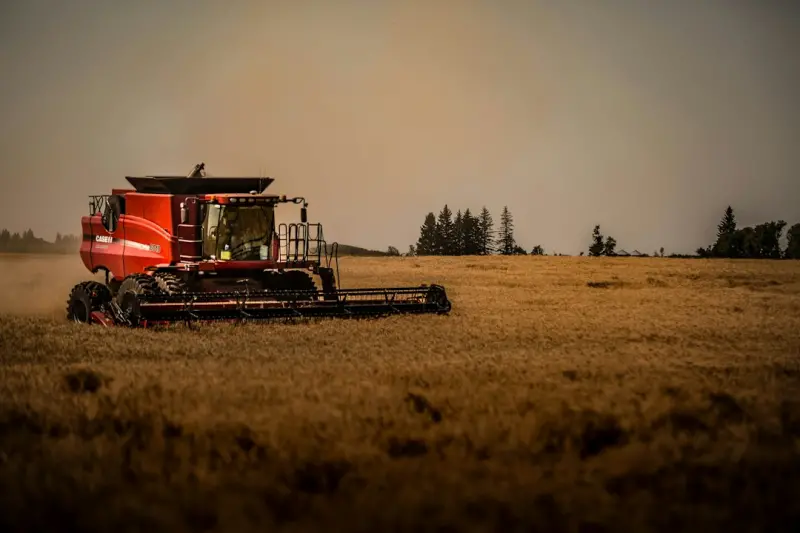
When I first walked the rows of my family’s wheat field in the Prairies, the horizon seemed endless and the soil, a quiet partner in an age‑old dance. Today, that partnership has taken on a new rhythm—one measured not just in bushels, but in carbon credits, ecosystem services, and a fresh financial ledger that rewards stewardship. This shift, often dubbed “carbon farming,” is reshaping the way Canadian producers think about profit, sustainability, and their place in a climate‑conscious economy.
Why Carbon Farming Is More Than a Buzzword
At its core, carbon farming is about enhancing the land’s natural ability to capture and store atmospheric CO₂. Practices such as cover cropping, reduced tillage, agroforestry, and managed grazing create organic matter that binds carbon in the soil. The result? Healthier soils, higher resilience to drought and extreme weather, and—crucially—a tradable commodity in emerging carbon markets.
Unlike traditional subsidies that often pay for the act of planting, carbon credits pay for the outcome: measurable reductions in greenhouse gas emissions. For many growers, this translates into an additional revenue stream that can offset the rising costs of inputs, labor, and equipment.
Mapping the Landscape: Canadian Carbon Markets Explained
The federal government, through its national data initiatives, is laying the groundwork for standardized carbon accounting. Provincial programs, especially in British Columbia and Quebec, have already launched pilot registries that certify carbon sequestration projects on farms.
- Verification and Reporting: Independent auditors use soil sampling, remote sensing, and modeling to confirm carbon storage claims.
- Credit Issuance: Once verified, credits are issued on blockchain‑based ledgers, ensuring transparency and traceability.
- Market Access: Credits can be sold directly to corporations seeking to offset emissions or through brokers that aggregate farm‑generated credits.
While the market is still nascent, early adopters are already seeing double‑digit returns per hectare—far exceeding the modest yield premiums from conventional practices.
Getting Started: Practical Steps for the Curious Farmer
Transitioning to carbon‑focused agriculture doesn’t require a complete overhaul overnight. Here’s a roadmap that many of my peers have found useful:
- Assess Baseline Soil Carbon: Engage a local agronomist or use a certified soil testing service to establish a starting point.
- Choose Regenerative Practices: Implement at least one of the following:
- Cover crops (e.g., radish, rye, or clover) to protect soil during off‑season periods.
- Reduced or no‑till planting to minimize disturbance.
- Rotational grazing that mimics natural herd movements.
- Integrating trees and shrubs to create agroforestry buffers.
- Document Changes: Keep detailed logs of inputs, field activities, and any alterations in land management.
- Partner with Verification Bodies: Early collaboration with certifiers can streamline the audit process.
- Explore Financing Options: Some provincial agri‑credit programs now bundle carbon incentives with low‑interest loans for equipment upgrades.
These steps, while simple on paper, require a mindset shift. Farmers must view the land as a living asset, one that generates both food and climate value.
Technology at the Tipping Point
Modern tools are the silent workhorses behind carbon farming. Drones equipped with multispectral cameras map vegetation health in real time, while soil sensors relay moisture and temperature data to cloud platforms that predict carbon sequestration rates. A growing number of SaaS solutions now offer integrated dashboards that combine agronomic data with carbon accounting, enabling producers to optimize financial outcomes without sacrificing agronomic integrity.
One standout platform allows farmers to simulate the impact of different practices on carbon storage before ever turning a plow. By feeding in variables such as crop rotation, fertilizer rates, and tillage depth, the software generates a projected credit yield, helping growers make evidence‑based decisions.
Case Study: A Prairie Farm’s Journey to Carbon Profitability
Consider the story of Maple Ridge Ranch, a 1,200‑acre mixed‑crop operation in Saskatchewan. In 2020, the owners decided to replace conventional tillage with a no‑till system and introduced a winter rye cover crop. Within two growing seasons, soil organic carbon rose by 0.6 %—a modest number that translated into 150 carbon credits, each selling for CAD 15 on the secondary market.
Beyond the direct cash flow, the farm reported:
- Reduced fertilizer usage by 12 % thanks to nitrogen‑fixing cover crops.
- Improved water infiltration, lowering irrigation costs during dry spells.
- Higher yields on the main cash crop, wheat, due to better soil structure.
Maple Ridge’s experience illustrates how carbon farming can act as a catalyst for broader operational efficiencies—a virtuous cycle that strengthens both the farm’s balance sheet and its ecological footprint.
Challenges and How to Navigate Them
While the promise is compelling, several hurdles still loom:
- Measurement Uncertainty: Soil carbon is inherently variable. Robust verification protocols are essential to avoid disputes.
- Policy Fluctuations: Carbon pricing mechanisms differ across provinces, and future regulatory changes could affect credit values.
- Upfront Investment: Transitioning to regenerative practices may require new equipment or seed varieties.
Mitigating these risks often involves building a coalition of stakeholders—farmers, researchers, NGOs, and government agencies. Collaborative pilots, shared data repositories, and knowledge‑exchange workshops are proving effective in smoothing the learning curve.
Looking Ahead: The Next Frontier for Canadian Farmers
The trajectory points toward a more integrated model where farms serve as climate service hubs. Imagine a future where a single field not only supplies grain but also delivers carbon credits, biodiversity offsets, and even renewable energy through on‑site solar or wind turbines. Such multi‑benefit landscapes could attract investment from corporations seeking holistic ESG solutions, creating a new class of “green” partnerships.
Moreover, as consumer demand for carbon‑neutral food rises, brands may begin to label products with verified carbon footprints, rewarding farmers who can substantiate their claims. This market signal could further elevate the financial upside of regenerative stewardship.
Take Action Today
If you’re a farmer, a landowner, or simply someone who cares about the future of Canada’s breadbasket, the time to act is now. Start with a simple soil test, engage with your local agricultural extension office, and explore the digital tools that make carbon accounting transparent and accessible. The soil beneath our feet holds a silent wealth—unlocking it could rewrite the story of Canadian agriculture for generations to come.

Related Posts
The Unspoken Truths of Canadian Farming
Canadian farmers face numerous challenges, from unpredictable weather patterns to fluctuating market... Read More
The Struggles and Triumphs of Canadian Farmers
Canadian farmers play a vital role in the country's economy, but they face a multitude of challenges... Read More
Regenerative Tech: Canadian Farmers Build a Resilient Future
Canadian farmers are merging age‑old regenerative methods with modern technology—AI, satellite i... Read More
Top Posts

Sandbanks Provincial Park: A Paradise with Hidden Dangers? Examining Safety Risks and Alternatives
Sandbanks Provincial Park, nestled near Picton, Ontario, is a jewel in the province's park system, drawing visitors with its stunning sand dunes, picturesque be...Read More

Rethinking Cost of Living: How Remote‑First SaaS Teams Are Shaping a New Financial Landscape
This article examines how remote‑first SaaS companies are redesigning compensation with location‑based stipends, digital‑nomad packages, and micro‑savin...Read More

AI‑Powered Contracts: Navigating the Legal Frontier
Discover how AI is transforming contract drafting, the ethical hurdles it creates, and actionable strategies for law firms to adopt technology responsibly....Read More

Parental Warning: When Kids’ Learning Apps Turn Into Data Miners
Educational apps often hide data collection behind cute graphics and school endorsements. This post reveals how they harvest children's information, the legal g...Read More
0 Comments
Post Comment
You will need to Login or Register to comment on this post!