
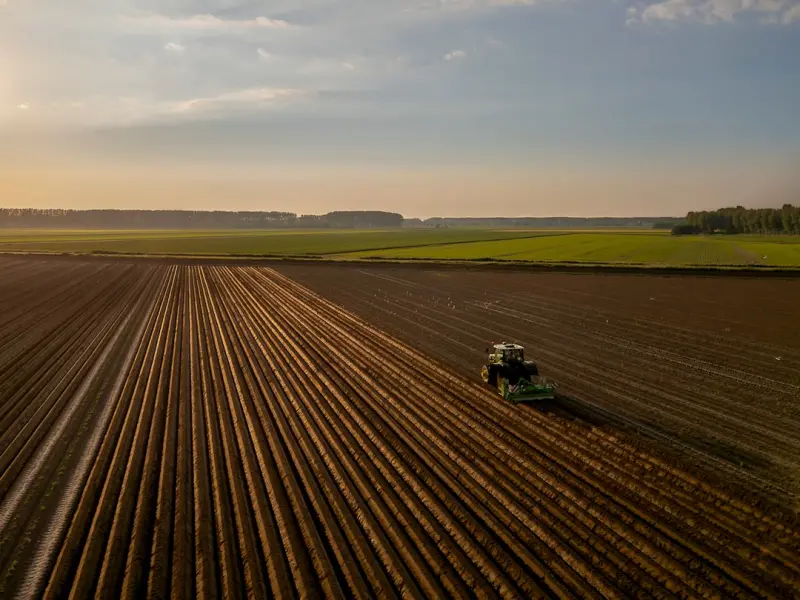
Why Regeneration Matters on Canadian Soil
When I first stepped onto my family’s prairie plot, the endless horizon felt both a promise and a warning, as the soil’s tired crust whispered of years of tillage, chemical inputs, and dwindling biodiversity; today, that same horizon is the canvas on which I am learning to paint a future where carbon is sequestered, water is retained, and ecosystems thrive, a shift that demands not only new tools but a fundamental rethinking of what a farm is meant to be. Regenerative agriculture is more than a buzzword; it is a set of practices that aim to restore the very foundation of our productivity, and the stakes are high because Canada’s agricultural lands hold a significant share of the nation’s carbon budget, meaning every decision we make reverberates far beyond our fences. The urgency is amplified by climate variability that has turned planting windows into guessing games, and by market pressures that reward short‑term yields while penalizing the long‑term health of the land we depend on.
From Conventional Methods to Regenerative Mindsets
My transition began not with a sudden epiphany but with a series of small, evidence‑based experiments, each one designed to test whether the soil could bounce back when we reduced disturbance, re‑introduced cover crops, and let livestock graze strategically; the first trial involved planting a mix of radish, rye, and clover after the harvest, and the resulting increase in organic matter was a quiet affirmation that nature rewards patience, a lesson that quickly spread to my neighbors through informal field talks that felt more like community storytelling than formal agronomy. Embracing these practices required confronting long‑held assumptions about productivity, and I found that the real catalyst was the growing body of research showing that regenerative tactics can match or even exceed conventional yields when applied with precision, especially when combined with data‑driven insights from soil sensors and satellite imagery that help us fine‑tune inputs. The journey also intersected with direct‑to‑consumer sales models, as consumers began asking not just for fresh produce but for evidence that their food was grown on resilient, healthy soil.
Ground‑Level Practices That Are Changing the Game
On the ground, we have adopted a suite of techniques that work synergistically: reduced tillage to preserve soil structure, diversified crop rotations that break pest cycles, and the strategic use of livestock to mimic natural grazing patterns, all of which contribute to higher soil organic carbon and improved water infiltration, a benefit that becomes glaringly apparent during the dry spells that now punctuate our growing seasons. One of the most transformative practices has been the integration of perennial grains, which, unlike annuals, develop deeper root systems that pull carbon deeper into the earth, creating a more stable carbon sink that also reduces the need for synthetic fertilizers, thereby lowering input costs and environmental footprints simultaneously. Complementing these agronomic shifts are technology platforms that aggregate field data, allowing us to map variability across our acreage and apply interventions where they matter most, turning what used to be a blanket approach into a precision‑focused stewardship plan.
Economic Implications: Profitability Meets Sustainability
Critics often argue that regenerative methods are a financial gamble, yet my ledger tells a different story: the reduction in fuel and input expenses, coupled with premium prices fetched at markets that value sustainably produced goods, has created a profit buffer that cushions us against market volatility, and the added resilience of the soil means fewer losses during extreme weather events, a factor that is becoming increasingly quantifiable in risk assessments. Moreover, by participating in carbon credit programs that reward farmers for sequestering carbon, we have unlocked an additional revenue stream that aligns ecological stewardship with tangible economic incentives, a development that mirrors the broader shift toward ecosystem service markets across Canada. The synergy between regenerative practices and emerging market mechanisms underscores the importance of building networks where knowledge and resources are shared, a principle echoed in collaborative growth networks that enable small and medium‑size farms to pool equipment, expertise, and market access.
Community Knowledge Sharing and Farmer Networks
One of the most rewarding aspects of this transformation has been the revival of farmer‑to‑farmer learning circles, where we gather around fire pits or virtual meeting rooms to exchange observations, troubleshoot challenges, and celebrate successes, a tradition that feels like a modern reinterpretation of the barn‑side counsel that once guided generations of growers; these gatherings have become incubators for innovation, spawning joint trials on biochar application, shared composting facilities, and coordinated grazing schedules that mimic natural herd movements across larger landscapes. The rise of digital platforms has amplified these connections, allowing us to document experiments in real time, crowdsource data, and even co‑author policy recommendations that advocate for incentives supporting regenerative transitions, reinforcing the idea that collective action can accelerate systemic change far beyond what any single farm could achieve alone. In this collaborative spirit, we have also partnered with local schools and community groups to demonstrate regenerative techniques, turning education into a two‑way street where curiosity fuels research and research fuels community resilience.
Policy Landscape: Navigating Incentives and Regulations
While grassroots momentum is vital, lasting transformation hinges on supportive policies that recognize the long‑term benefits of regenerative agriculture, and recent provincial initiatives offering cost‑share programs for cover‑crop seed purchases and soil health monitoring have been instrumental in lowering the entry barrier for skeptical adopters; however, gaps remain in the consistency of funding across regions and in the clarity of carbon accounting frameworks that farmers need to confidently participate in market‑based carbon offset schemes. Advocacy efforts have thus focused on streamlining application processes, ensuring that eligibility criteria reflect the diversity of Canadian farm operations, and securing research funding that bridges the gap between academic findings and practical, field‑ready guidelines. The interplay between policy and practice is a delicate dance, but when the rhythm aligns, it creates an environment where regenerative methods are not a niche experiment but a mainstream pathway to climate‑smart agriculture.
Looking Ahead: Scaling Regeneration Across Canada
As I walk the rows of my farm each morning, the sight of thriving cover crops swaying in the breeze serves as a quiet testament to the possibilities that lie ahead, and I envision a future where regenerative principles are woven into every facet of Canadian agriculture, from the smallest family plot to the largest commercial enterprise, each contributing to a collective carbon sink that helps meet national climate targets while preserving the cultural heritage of our rural communities. The journey forward will require continued investment in research, robust market mechanisms that reward sustainable practices, and a cultural shift that places soil health at the heart of agricultural decision‑making, a shift that I believe is already taking root in the conversations we have at town halls, in the data dashboards we monitor, and in the seedlings we sow each season. By embracing a regenerative mindset, we are not just protecting the land we inherit; we are actively cultivating a legacy of abundance and resilience for the generations that will follow.

Related Posts
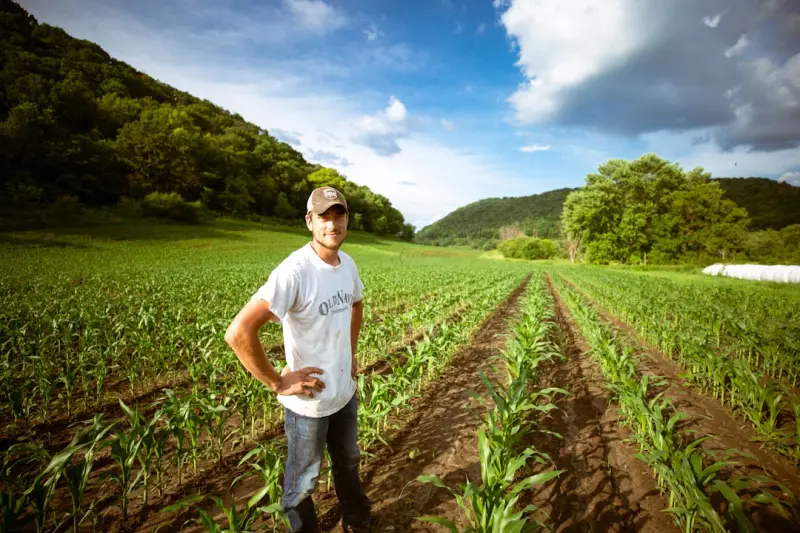
Regenerative Roots: Canadian Farmers Transform Soil into Climate Solutions
Canadian farmers are turning to regenerative agriculture—cover crops, reduced tillage, and integra... Read More

Fields of Light: How Canadian Farmers Are Powering Their Own Energy Future
Canadian farmers are adding wind turbines, solar panels, and biogas units to their lands, creating n... Read More
Harvesting Collaboration: How Canadian Farmers Are Building a Shared Future on the Land
From community equipment hubs to data‑driven marketplaces, Canadian farmers are redefining indepen... Read More
Top Posts

The Tariff Tango: How Trade Policies Are Affecting Canadian Farmers
Canadian farmers are struggling due to tariffs imposed on their products. Learn how trade policies are impacting the industry and what can be done to support fa...Read More

When Your Wristwatch Becomes a Personal Health Coach
Wearables have evolved from simple step counters to active health coaches that, alongside smart homes and community data, provide real‑time insights, predicti...Read More

Drive Thru: Reasons to Visit Canada’s Dinosaur Park Near Toronto
Roaring into an adventure that's both prehistoric and packed with fun? Look no further than Canada’s Dinosaur Park, a thrilling drive-thru experience loca...Read More

Why a Nationwide Digital Trust Framework Is the Next Business Frontier
A deep dive into the emerging national digital trust framework, its implications for SaaS companies, and practical steps to turn trust into a competitive advant...Read More
0 Comments
Post Comment
You will need to Login or Register to comment on this post!