

Fields as Futures: Canadian Farmers Redefining Rural Life
When I first stepped onto my grandfather’s wheat field as a teenager, the horizon was a simple line: rows of grain stretching toward the sky, the occasional barn, and the rhythm of the seasons. Today that horizon is expanding. Across the Prairies, the Maritimes, and British Columbia, a new generation of farmers is turning the very land they tend into vibrant community hubs—places where local food, education, tourism, and renewable energy intersect.
It isn’t about abandoning tradition; it’s about amplifying it. The stories we hear at farmers’ markets, the workshops held in barns, the solar panels humming above pastures—all these threads weave a tapestry that showcases how agriculture can be a catalyst for social and economic resilience in Canada’s rural heartlands.
From Commodity to Connection
For decades, the prevailing narrative around Canadian agriculture has been one of bulk production and export. While those markets remain essential, many producers are realizing that the value of a direct connection with consumers far outweighs the margins earned from a distant buyer.
- Farm‑to‑table experiences – Families are increasingly seeking authentic, hands‑on encounters with the food they eat. Pop‑up dinners under the maple trees, seasonal pick‑your‑own events, and guided tours of the grain elevators give city dwellers a taste of rural life.
- Educational programming – Schools partner with farms for curriculum‑aligned field trips, teaching kids about soil health, animal husbandry, and the science of photosynthesis. These programs plant seeds of stewardship that can grow into lifelong advocacy.
- Community‑supported agriculture (CSA) – Subscription boxes that deliver weekly produce directly to subscribers cut the middleman and create a reliable cash flow for growers. The model also fosters a sense of shared ownership; members feel they are part of the farm’s success.
These initiatives transform a farm from a production site into a gathering place—where stories are exchanged, skills are shared, and a collective identity is forged.
Harvesting New Revenue Streams
Beyond the intangible benefits of community building, diversifying income streams is a practical response to the volatility of commodity prices and climate uncertainty. Canadian farmers are embracing several complementary ventures:
- Agri‑tourism – Bed‑and‑breakfasts nestled on acreage, horseback riding lessons, and corn mazes draw visitors from urban centers, extending the tourist season into shoulder months.
- Renewable energy – Installing solar arrays on rooftops or wind turbines along wind‑swept ridges provides a steady revenue stream and reduces reliance on diesel generators. In some provinces, farms now generate enough electricity to power neighboring communities.
- Value‑added processing – Small‑scale dairies turning milk into cheese, or grain growers milling their own flour, capture additional margins while preserving local culinary heritage.
These enterprises often start modestly—a single solar panel or a weekend market stall—but they can scale with the farmer’s vision and community support.
Storytelling as a Growth Engine
In an era where consumers crave authenticity, the story behind a product is as valuable as the product itself. Farmers who can articulate their journey—whether it’s a family farm passed down through generations or a newcomer adopting regenerative practices—create a powerful brand narrative.
Social media platforms, local newspapers, and community radio stations become amplifiers for these stories. A well‑crafted post about planting heirloom tomatoes can inspire a city‑dweller to join a CSA, while a video of a harvest festival may attract tourists looking for a genuine rural experience.
Even without heavy reliance on innovative farm technology, the narrative itself can be a conduit for market differentiation. When a farm’s story aligns with broader societal values—sustainability, localism, and transparency—customers are more willing to pay a premium.
Co‑ops and Collaborative Models
Collaboration is at the heart of many successful community‑focused farms. By forming cooperatives, producers can share resources such as equipment, marketing expertise, and distribution networks. This collective approach reduces overhead, spreads risk, and amplifies bargaining power.
One notable example is the rise of regional food hubs that act as aggregators for small farms. These hubs provide a single point of contact for restaurants, schools, and retailers, streamlining the ordering process while preserving the individuality of each producer’s offerings.
Beyond logistics, co‑ops often venture into joint educational programming—hosting workshops on composting, regenerative grazing, or seasonal cooking. The shared knowledge base strengthens the entire community, fostering a culture of continuous improvement.
Health and Well‑Being: A Holistic Perspective
Rural health isn’t limited to physical fitness; mental well‑being is equally critical. The isolation that can accompany farm life is increasingly recognized, and many agricultural communities are responding with holistic solutions.
Community gardens, group fitness classes in barns, and regular “farm‑talk” circles provide social connection and emotional support. Partnerships with health organizations have led to mobile clinics that travel to remote farms, ensuring that farmers have access to preventative care without long journeys.
These initiatives echo the principles outlined in rural health collaborations, where technology and community engagement intersect to improve outcomes. While technology plays a role, the core driver remains human connection.
Challenges on the Path to Community‑Centric Farming
Transitioning from a conventional operation to a community hub isn’t without hurdles. Key challenges include:
- Regulatory compliance – Zoning bylaws may restrict on‑site accommodation or event hosting. Farmers must navigate municipal approvals and sometimes lobby for policy changes.
- Capital investment – Upfront costs for infrastructure—such as guest rooms, renewable energy systems, or processing equipment—can be steep. Access to low‑interest loans or community financing models can bridge the gap.
- Skill diversification – Running a successful agri‑tourism or value‑added product line requires marketing, hospitality, and financial management expertise that may be new to traditional producers.
- Balancing production and experience – Hosting events or visitors must not compromise the primary agricultural activities. Careful scheduling and clear boundaries are essential.
Despite these obstacles, many farms view them as opportunities for growth. By partnering with local business development centers, tapping into government grant programs, and leveraging peer networks, they turn challenges into stepping stones.
Future Outlook: A Mosaic of Rural Innovation
The momentum behind community‑focused farming is building a mosaic of rural innovation across Canada. From the wheat fields of Saskatchewan to the vineyards of Nova Scotia, farms are emerging as multi‑purpose spaces that nurture food, culture, education, and sustainability.
What’s driving this shift? A confluence of consumer demand for transparency, a desire for healthier lifestyles, and a growing appreciation for the environmental stewardship that farms embody. As more Canadians seek authentic connections to the source of their meals, the farms that welcome them will flourish.
In the end, it’s not just about selling carrots or corn; it’s about cultivating relationships that nourish both the land and the people who call it home. The fields of Canada are no longer silent expanses; they are vibrant stages where community, commerce, and culture perform in harmony.

Related Posts
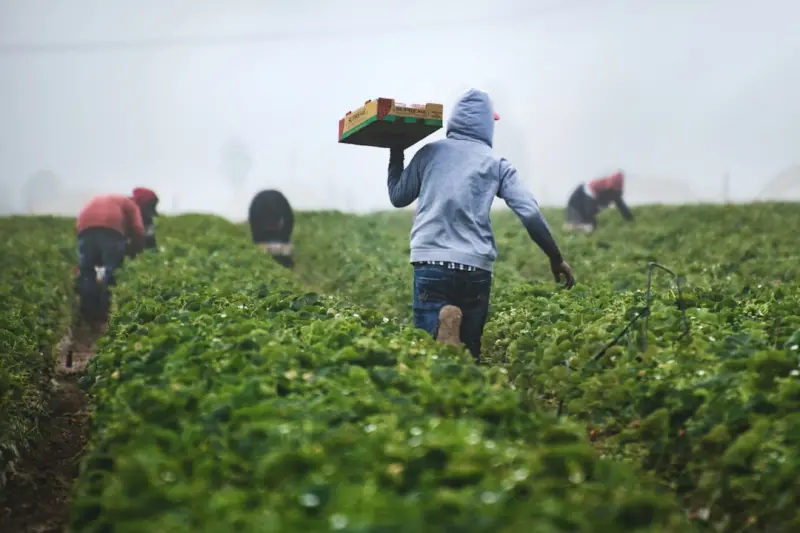
Beyond the Fields: A Farmer’s Journey to Resilience and Innovation
From soil health to AI tools, Canadian growers are redefining farming by embracing regenerative meth... Read More
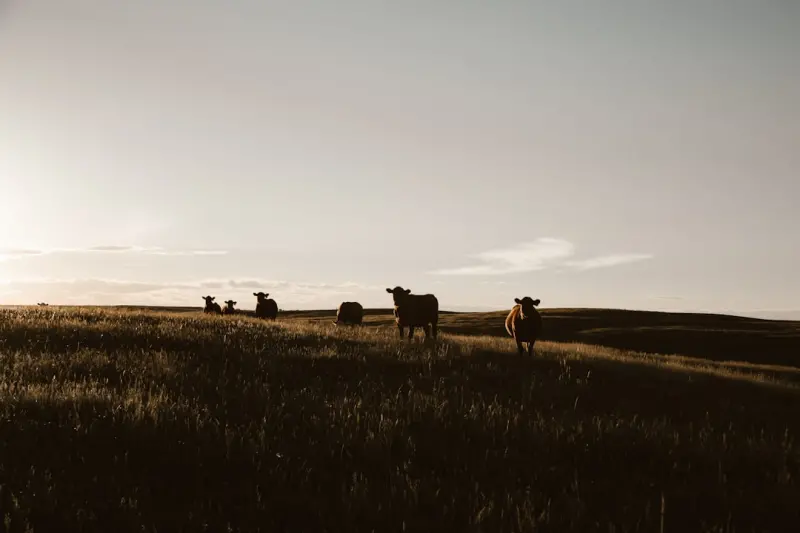
The Quiet Tech Revolution: How Canadian Farmers Are Future‑Proofing Their Fields
Canadian farmers are quietly transforming agriculture with soil sensors, drones, and collaborative d... Read More
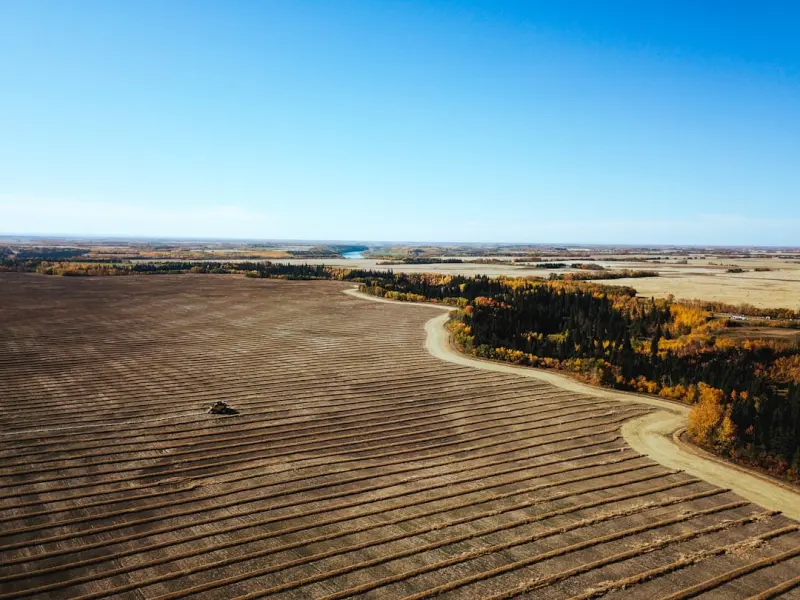
Cultivating Tomorrow: How Canadian Farmers Are Harnessing Renewable Energy
Canadian farmers are turning fields into power plants, using solar, wind, and bioenergy to cut costs... Read More
Top Posts

Power to the People: Community Solar Co‑ops Lighting Up Canadian Neighborhoods
Community solar co‑ops let Canadians generate clean power together, lowering electricity costs, boosting local resilience, and strengthening community bonds a...Read More

The Digital Nomad Revolution: How Cities Win by Welcoming Remote Workers
Cities that streamline visas, invest in connectivity, and foster authentic community experiences are turning remote professionals into long‑term economic part...Read More

When Virtual Playgrounds Turn Toxic: A Parental Warning
A deep dive into the covert threats lurking in kids’ screens, from gamified learning loops to AI companions, offering parents actionable steps to safeguard th...Read More

Tariff Turbulence: Turning Trade Barriers into SaaS Pricing Opportunities
Tariffs are reshaping the SaaS landscape, affecting costs, pricing, and compliance. This post reveals how subscription‑first strategies, deal stacking, and ag...Read More
0 Comments
Post Comment
You will need to Login or Register to comment on this post!