
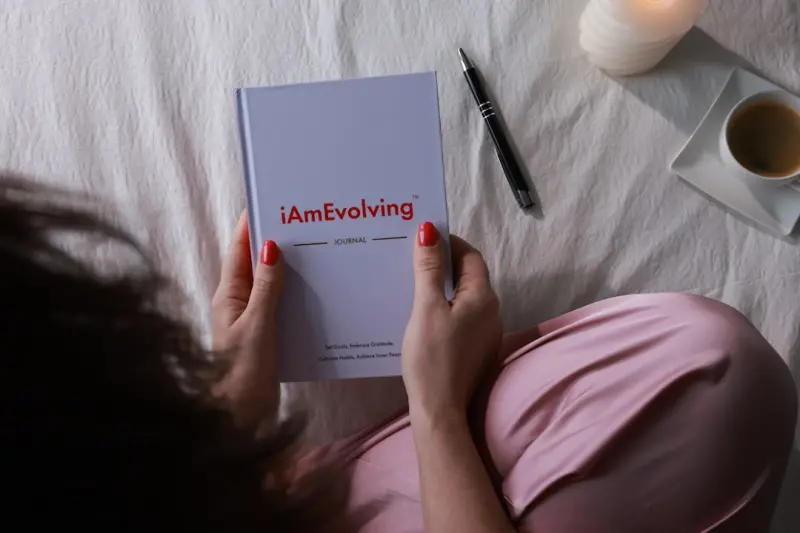
Unlocking Everyday Immunity: Simple Practices That Supercharge Your Health
When I first moved into my downtown loft, the biggest health decision I faced wasn’t a gym membership or a fancy smoothie recipe—it was learning how to keep my body thriving amid the constant buzz of city life. I quickly realized that true immunity isn’t just about occasional vitamin shots or the occasional jog; it’s a tapestry woven from the tiny choices we make from sunrise to bedtime. In this post, I’ll walk you through the everyday habits that have transformed my own resilience, backed by emerging science and a dash of the curiosity that fuels my writing.
The Power of Breath: Resetting Your Nervous System in 60 Seconds
We often hear about “deep breathing” in yoga studios, but the nuance matters. A simple box breathing pattern—inhale for four counts, hold for four, exhale for four, hold for four—activates the parasympathetic nervous system, which calms inflammation and balances cortisol. I set a timer on my phone and practice this routine before every virtual meeting. Within minutes, my heart rate steadies, my mind clears, and I’m less likely to reach for that extra coffee.
- Why it works: The vagus nerve, a key player in immune regulation, responds directly to controlled breathing.
- Quick tip: Pair the breath with a brief gaze at a natural element—like a plant on your desk—to amplify the calming effect.
Micro‑Movement: Turning Desk Hours into Mini‑Workouts
Hybrid work has left many of us glued to chairs for hours on end. Instead of a full‑blown workout, I champion micro‑movements: five‑minute bursts of activity every hour. A set of calf raises while waiting for a Zoom to load, a quick wall‑sit while checking emails, or a series of shoulder rolls during a coffee break can keep blood circulating, reduce joint stiffness, and stimulate lymphatic flow—a critical pathway for immune cells.
Research shows that breaking up prolonged sitting improves post‑prandial glucose levels, which in turn reduces oxidative stress—a hidden enemy of immune health. So, set a gentle alarm, stand, stretch, and move. Your future self will thank you.
Nutrition Beyond the Plate: Harnessing the Microbiome
Our gut bacteria are the unsung heroes of immunity. While the classic advice—eat your greens—still holds, the next frontier is microbiome-friendly diversity. I aim for at least 25 different plant colors each week. A vibrant salad with beetroot, kale, carrots, and blueberries isn’t just Instagram‑worthy; it feeds a broader spectrum of beneficial microbes.
Fermented foods like kimchi, sauerkraut, and kombucha add another layer, providing live cultures that directly augment gut flora. If you’re not a fan of the tangy taste, start with a tablespoon of miso paste in soups or a splash of kefir in smoothies. Consistency beats intensity—small, regular inclusions trump occasional extravagance.
Sleep Hygiene: The Unspoken Immunity Booster
Sleep is where the body conducts its nightly repairs. Yet, many of us treat bedtime like another to‑do list item. My sleep ritual now looks like this:
- Dim the lights an hour before bed and switch off screens (yes, that includes the phone). The blue light suppresses melatonin, the hormone that signals it’s time to rest.
- Engage in a calming activity—reading a paperback, gentle stretching, or listening to nature sounds.
- Set the room temperature to around 65°F (18°C). Cooler environments promote deeper REM cycles.
- Invest in a breathable linen sheet set. Materials that wick moisture help maintain optimal body temperature.
When I consistently follow this routine, I wake up feeling refreshed, my skin looks clearer, and I notice fewer sick days. It’s a reminder that the most powerful health tool can be as simple as a dark, quiet room.
Digital Boundaries: Protecting Mental Immunity
Information overload can weaken our mental immune system, making us more susceptible to stress and anxiety. I instituted a “digital sunset” at 8 p.m., where I turn off all notifications and avoid scrolling. Instead, I journal or practice a brief mindfulness session. This habit reduces the constant cortisol spikes that come from endless news cycles and social media comparison.
For those who can’t disconnect completely, consider using AI Health Dashboards to track stress levels, heart rate variability, and sleep quality. These tools provide objective data that can guide when to step back and breathe.
Hydration with Purpose: Electrolyte Balance
Plain water is essential, but adding a pinch of natural electrolytes can make a big difference, especially after micro‑movements or on hot days. I like to sip on a homemade mix of filtered water, a squeeze of lemon, a pinch of sea salt, and a dash of honey. This not only replenishes minerals lost through sweat but also supports optimal cellular function, which is a cornerstone of a robust immune response.
Environmental Air Quality: The Invisible Ally
Most of us think about immunity in terms of diet and exercise, but the air we breathe plays a pivotal role. Indoor pollutants—dust, volatile organic compounds (VOCs) from furniture, and even mold—can trigger chronic inflammation.
Simple steps:
- Place a houseplant like snake plant or peace lily in your workspace; they naturally filter airborne toxins.
- Use a HEPA filter in your bedroom to capture microscopic particles.
- Ventilate your home daily for at least 15 minutes, even in winter—fresh air reduces stagnant pollutants.
When I started paying attention to indoor air, I noticed fewer sinus irritations and a clearer mind, especially during allergy season.
Social Connection: The Immune System’s Social Glue
Human connection is a potent immune enhancer. Studies show that regular, positive social interactions increase antibody production and lower inflammation markers. In my busy schedule, I prioritize “virtual coffee dates” with friends and schedule a weekly family dinner (even if it’s via video call). These moments act as emotional vaccinations, strengthening my resilience against stress‑induced illness.
Mindful Movement: Combining Exercise with Mental Focus
Traditional cardio is great, but pairing movement with mindfulness amplifies benefits. I’ve embraced walking meditation: a 20‑minute walk where I focus on each footstep, the rhythm of my breath, and the sensations of the environment. This practice improves circulation, reduces cortisol, and sharpens mental clarity—all crucial for a well‑rounded immune system.
Technology as a Support, Not a Substitute
While we’ve highlighted low‑tech habits, technology can still be a helpful ally. Platforms that aggregate health data—like healthcare data hubs—provide a macro view of trends in your own body, allowing for proactive adjustments. The key is to let these tools inform, not dominate, your daily decisions.
Putting It All Together: A 7‑Day Immunity Reset
To make these concepts actionable, I’ve crafted a simple 7‑day plan. Feel free to adjust to your lifestyle, but the core idea is to introduce one new habit each day while reinforcing the ones you already enjoy.
- Day 1 – Breath Reset: Practice box breathing three times today—morning, midday, and night.
- Day 2 – Micro‑Movement: Set an hourly timer for a quick stretch or calf raise.
- Day 3 – Microbiome Boost: Add a fermented food to two meals.
- Day 4 – Sleep Ritual: Follow the four‑step bedtime routine and track sleep quality.
- Day 5 – Digital Sunset: Turn off all screens by 8 p.m.; journal instead.
- Day 6 – Air Quality Check: Place a plant on your desk and run a HEPA filter for 30 minutes.
- Day 7 – Social Connection: Schedule a video coffee chat and a short walk meditation.
At the end of the week, reflect on how you feel—energy levels, mood, and any changes in physical symptoms. You’ll likely notice subtle improvements that compound over time.
Final Thoughts: Consistency Over Perfection
Health isn’t a sprint; it’s a marathon of tiny, intentional choices. By weaving breath, movement, nutrition, sleep, and social connection into the fabric of daily life, you create a resilient foundation that can weather stress, seasonal bugs, and the inevitable hustle of modern living. Remember, the goal isn’t to overhaul your life overnight but to adopt a handful of practices that you can sustain. Your immune system will thank you, and you’ll discover a new sense of vitality that makes every day feel a little brighter.

Related Posts

Evening Light, Evening Life: How Simple Nighttime Routines Can Recharge Your Brain
A detailed guide on using light, screen management, nutrition, movement, and journaling to transform... Read More

Listening to Wellness: How Ambient Soundscapes Quietly Boost Your Health
Explore the science behind ambient soundscapes and learn practical ways to use them for stress reduc... Read More

The Quiet Health Revolution: Reclaiming Wellness in a Hyper‑Connected World
A deep dive into how constant screen time disrupts gut health, mental stamina, and overall wellnessâ... Read More
Top Posts

Zero-Waste Dining: How Restaurants Turn Trash into Treasure
Explore the rise of zero‑waste restaurants that turn scraps into signature dishes, partner with local farms, and leverage technology—showcasing how chefs an...Read More

Beyond the Screen: How Canada’s Indie Game Scene Is Redefining Cultural Entertainment
Canada’s indie game boom is turning pixel art into a cultural showcase, merging indigenous legends, AI tools, and community funding to create globally resonan...Read More

Fermenting the Future: Turning Kitchen Scraps into Culinary Gold
Explore the art of home fermentation, turning everyday kitchen scraps into vibrant, probiotic-rich dishes. Learn tools, recipes, and sustainable practices that ...Read More

Why Canada’s Senate Needs a Modern Overhaul
A deep dive into Canada’s Senate legitimacy crisis, proposals for proportional representation, and the role of digital identity and AI in reshaping the nation...Read More
0 Comments
Post Comment
You will need to Login or Register to comment on this post!