

The Quiet Revolution of Digital Twins on the Prairies
In the vast stretches of the Canadian grain belt, a silent transformation is underway, driven by the adoption of digital twin technology that creates virtual replicas of every field, tractor, and soil layer. Farmers are now able to simulate planting schedules, weather impacts, and equipment wear before a single seed touches the earth, turning intuition into data‑rich strategy. By feeding real‑time sensor data into these models, producers can anticipate yield fluctuations weeks in advance, reducing waste and sharpening profit margins.
From Soil Health to Market Confidence
Traditionally, soil quality assessments required costly lab work and months of waiting; today, handheld spectrometers paired with AI analytics deliver instant insights into nutrient balances, microbial diversity, and organic matter content. This immediacy empowers growers to adjust fertilization plans on the fly, fostering a healthier root environment that naturally suppresses disease. The result is a more stable product that buyers can trust, leading to stronger contracts and reduced price volatility.
Integrating Indigenous Land Wisdom
Beyond the high‑tech tools, many farms are turning to the time‑tested practices of Indigenous communities, weaving together rotational grazing, intercropping, and fire‑managed landscapes. These methods enhance carbon sequestration and biodiversity while respecting the cultural stewardship of the land. When paired with digital monitoring, the synergy between ancient knowledge and modern precision creates a resilient production system that honors both people and place.
Economic Benefits of Predictive Harvesting
Predictive models now forecast optimal harvest windows down to the hour, allowing operators to schedule combine crews when moisture levels are ideal, thus preserving grain quality and minimizing storage costs. By avoiding premature or delayed cuts, farmers cut losses from spoilage and market penalties, translating into tangible financial gains that can be reinvested in equipment upgrades or sustainability projects. The ripple effect extends to rural economies, where steadier cash flow supports local businesses and services.
Energy Efficiency Through Smart Machinery
Modern tractors equipped with telematics monitor fuel consumption, engine load, and route efficiency, sending alerts when performance deviates from optimal parameters. When these data streams feed into the farm’s digital twin, the system can recommend alternate field paths that shave gallons of diesel per season. The cumulative fuel savings not only lower operating expenses but also reduce greenhouse gas emissions, aligning economic objectives with environmental responsibility.
Case Study: A Mid‑Size Grain Farm’s Journey
Consider the experience of a family‑run operation in Saskatchewan that embraced a full suite of digital tools, from soil probes to satellite imagery. Within two planting cycles, the farm reported a 12 % increase in yield per hectare and a 9 % reduction in input costs, outcomes documented in their annual sustainability report. Their story illustrates how scalable technology can be tailored to operations of any size, offering a blueprint for peers across the nation.
Building Community Through Data Sharing
When neighboring farms pool their data into regional platforms, they create a collective intelligence that identifies pest outbreaks, weather extremes, and market trends before they become crises. This collaborative approach fosters a sense of solidarity, turning competition into cooperation and enabling smaller producers to compete with larger agribusinesses. Such networks are emerging as a cornerstone of a more inclusive agricultural sector.
Regulatory Landscape and Future Opportunities
Policy makers are beginning to recognize the value of digital agriculture, introducing incentives for precision equipment and data stewardship programs. Aligning farm practices with emerging standards not only unlocks funding but also positions growers to meet future export requirements that demand traceability and sustainability credentials. Staying ahead of regulatory shifts ensures long‑term viability and opens doors to new market segments.
Practical Steps for Adoption
Farmers interested in this evolution should start with a clear objective—whether it’s reducing input waste, improving yield predictability, or enhancing environmental outcomes. Next, they can evaluate affordable sensor kits, partner with local technology incubators, and attend workshops that demystify data analytics. Finally, integrating these tools with existing management software creates a seamless workflow that gradually becomes second nature on the farm.
Where to Learn More
For a deeper dive into how technology reshapes agreements between producers and buyers, read more about tech‑driven agreements. Additionally, those curious about broader sustainability initiatives can discover the latest park initiatives that showcase complementary environmental stewardship models. Embracing these resources will empower Canadian farmers to lead the next wave of agricultural innovation.

Related Posts
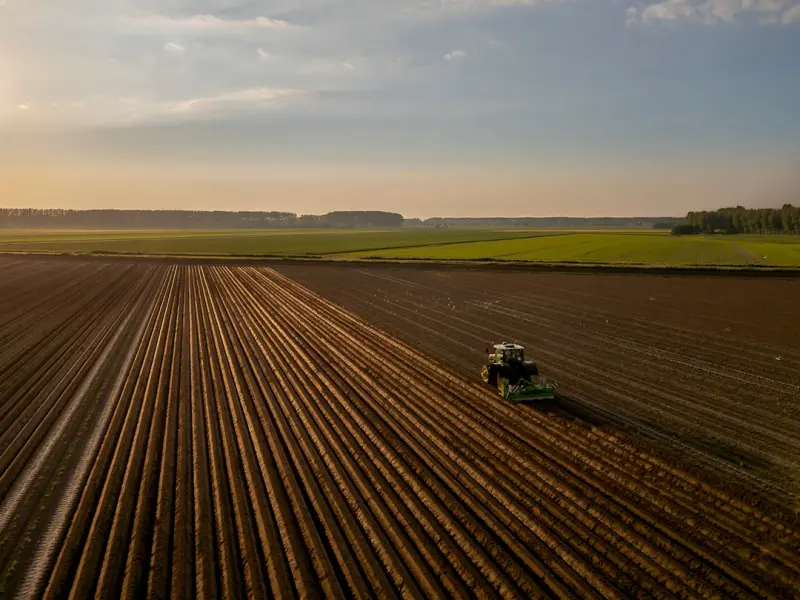
Harvesting Insight: How Canadian Farmers Are Building Data Cooperatives
Canadian farmers are forming data cooperatives that keep information on the farm, foster collaborati... Read More
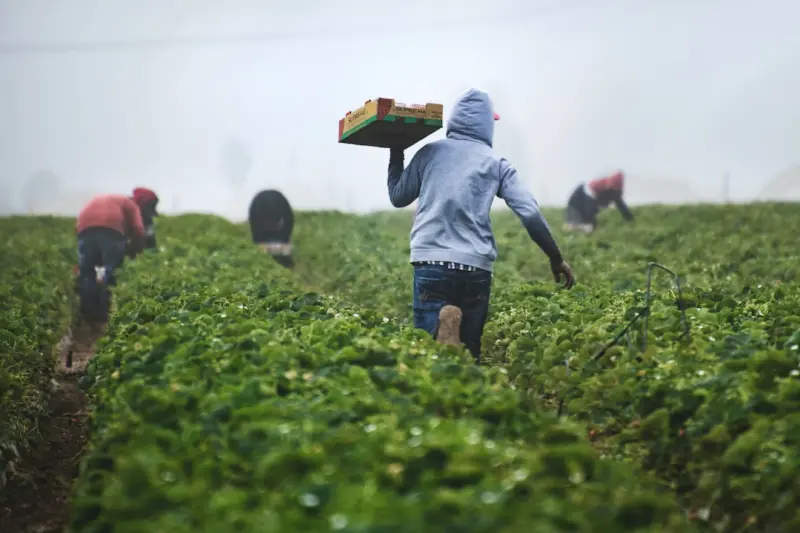
Beyond Crops: How Canadian Farmers Are Crafting Experiential Agri‑Tourism for a New Generation
Canadian farmers are turning fields into immersive destinations, using tech, storytelling, and Indig... Read More
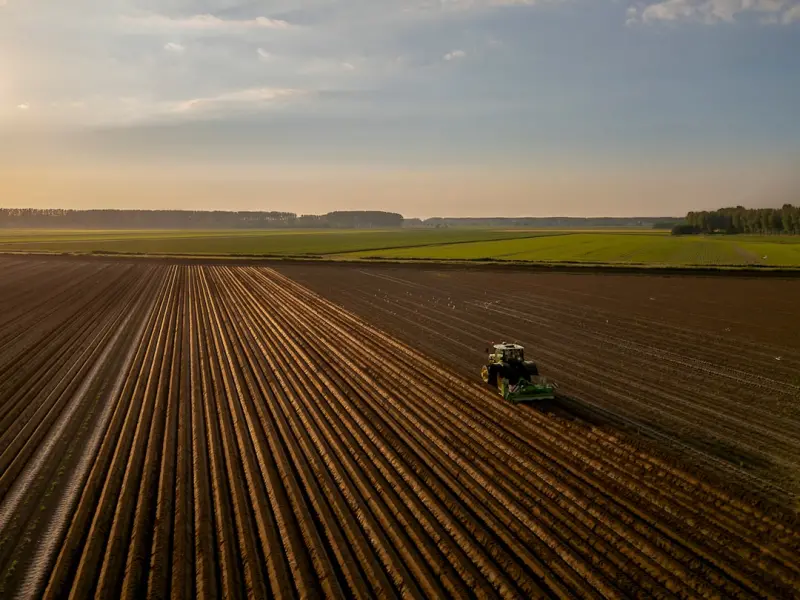
Harvesting Collaboration: How Canadian Farmers Are Building a Shared Future on the Land
From community equipment hubs to data‑driven marketplaces, Canadian farmers are redefining indepen... Read More
Top Posts

AI in the Courtroom: Balancing Innovation with Legal Responsibility
A deep dive into AI’s courtroom revolution, its promises, pitfalls, and how lawyers can navigate the evolving legal tech landscape....Read More

Ghost Kitchens: Redefining Restaurant Real Estate and Reach
Ghost kitchens are turning the restaurant world upside down by eliminating dining rooms, slashing overhead, and leveraging technology to launch multiple virtual...Read More

Stacking SaaS Savings: The Deal Architecture That Powers Growth
Discover a three‑layer framework for building a “deal stack” that turns SaaS discounts into a long‑term savings engine, complete with data‑driven vali...Read More

Discovering the Hidden Gems of Rural Canada: A Journey Through Bus Tours and Cruises
Join me on a journey through rural Canada's stunning landscapes and vibrant communities on a bus tour or cruise. Experience the authentic culture and natural be...Read More
0 Comments
Post Comment
You will need to Login or Register to comment on this post!