
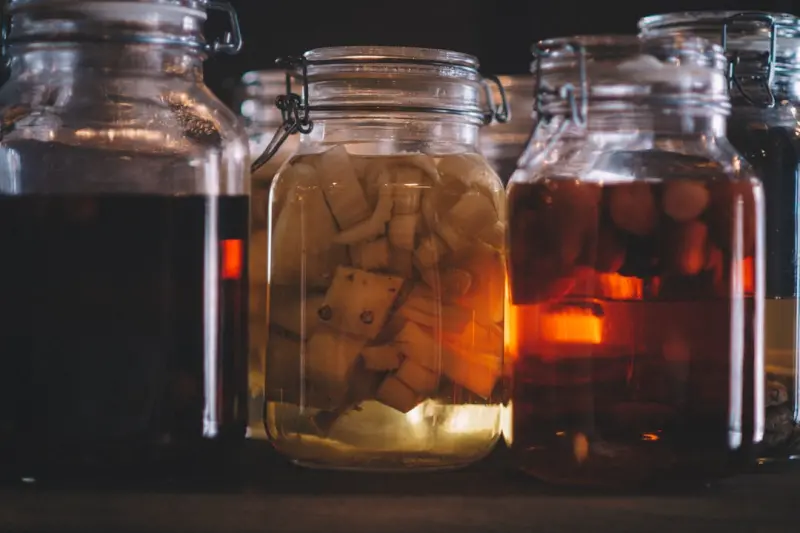
Fermented Flavors: How Home Fermentation is Redefining Modern Kitchens
When I first stumbled upon a jar of bubbling kimchi in my grandma’s pantry, I thought it was just a quirky family tradition. Little did I know that the briny, tangy jars lining my shelves would become the centerpiece of a culinary renaissance happening right in my own kitchen. Fermentation isn’t just a method; it’s a conversation between microbes and us, a slow‑dance that turns humble vegetables, dairy, and even fruit into layers of flavor that modern palates crave. In an age obsessed with instant gratification, I’ve found myself falling in love with the patience and science behind each fizzing jar.
The Science That Makes It All Possible
At its core, fermentation is a metabolic process where microorganisms like lactic‑acid bacteria, yeasts, and molds break down sugars into acids, gases, and alcohol. These by‑products act as natural preservatives, but more importantly, they create taste profiles that no synthetic flavor can mimic. The magic lies in the balance: too little time and the flavors stay flat; too much, and the texture can become mushy or overly sour. Understanding the science doesn’t mean you need a degree in microbiology, just a willingness to experiment and a few basic tools—clean jars, salt, and a dash of curiosity.
Why Fermentation Fits the Modern Lifestyle
We’re living in a world where food transparency and sustainability are front‑and‑center. Fermented foods check both boxes. They’re cost‑effective, reduce food waste by extending shelf life, and often require minimal energy—just a cool, dark spot on your countertop. Plus, the health benefits are hard to ignore. Probiotic‑rich kimchi, sauerkraut, and kombucha have been linked to improved gut health, stronger immunity, and even mood regulation. I’ve personally felt a noticeable lift in my digestion after swapping store‑bought pickles for my own lacto‑fermented cucumbers.
Starting Simple: Lacto‑Fermented Vegetables
If you’re new to the scene, begin with lacto‑fermentation—a process that relies on naturally occurring lactic‑acid bacteria. Grab a few carrots, cabbage, or radishes, slice them into bite‑size pieces, and toss them in a brine of 2% salt (that’s about 20 g of salt per liter of water). Pack the vegetables tightly into a sterilized jar, pour the brine over them, and seal. The salt creates an environment where good bacteria thrive while keeping spoilage organisms at bay.
Leave the jar at room temperature for 3‑7 days, checking daily for bubbles and taste. When the crunch is still there but the tang has blossomed, it’s ready. The beauty? Each jar can become a flavor lab—add garlic, ginger, or even a splash of apple cider vinegar for a twist.
Beyond Veggies: Fermenting Dairy and Grains
While vegetable ferments dominate the conversation, the realm of dairy and grains offers equally rewarding adventures. Yogurt, kefir, and cultured butter are staples in many cultures, each leveraging specific strains of bacteria to achieve a creamy, tangy finish. Grain‑based fermentations, like sourdough starters, have surged in popularity, especially during times when people sought comfort in home‑baked loaves. Creating a starter is as simple as mixing equal parts flour and water, letting it sit, and feeding it daily until it bubbles vigorously. The result? A living culture that can turn ordinary dough into a fragrant, airy masterpiece.
Fermented Beverages: The Rise of Kombucha and Beyond
Let’s talk drinks. Kombucha, the slightly effervescent, tea‑based brew, has become a staple on many café menus. But the real excitement lies in experimenting with flavor infusions. After the initial fermentation (usually 7‑14 days), you can add fresh fruit, herbs, or spices for a secondary fermentation that adds fizz and complexity. I’ve tried lavender‑lemon and ginger‑turmeric blends, each offering a refreshing kick that feels both artisanal and health‑forward.
For those who prefer non‑tea bases, fermented sodas made from ginger, beetroot, or even fermented watermelon juice are gaining traction. They’re a fantastic alternative to sugary soft drinks, delivering natural carbonation and probiotic benefits without the artificial additives.
Linking Fermentation to Community Food Hubs
One of the most rewarding aspects of my fermenting journey has been sharing the bounty with neighbors. The act of gifting a jar of sauerkraut or a bottle of kombucha opens doors to conversations about food sourcing, sustainability, and local resilience. It mirrors the spirit of neighborhood food hubs, where home‑grown produce finds its way into community kitchens and shared tables. Fermented foods, with their long shelf life, become perfect ambassadors—easy to transport, store, and enjoy throughout the season.
Technology Meets Tradition: AI‑Generated Fermentation Recipes
Even as I cherish the hands‑on nature of fermentation, I can’t ignore the digital wave reshaping our kitchens. Platforms that leverage AI to suggest fermentation recipes based on your pantry inventory are becoming more sophisticated. I recently used a tool that combined my favorite veggies with seasonal herbs, generating a custom kimchi recipe that balanced heat and tang perfectly. It’s a reminder that tradition and technology can coexist, enhancing creativity without diluting authenticity. Explore more about this synergy in the article AI‑generated recipes.
Common Pitfalls and How to Avoid Them
Every fermenter, novice or seasoned, encounters hiccups. Here are a few lessons I’ve learned the hard way:
- Improper Salt Ratio: Too little salt invites unwanted microbes; too much can inhibit fermentation. Stick to the 2% guideline for most vegetables.
- Insufficient Submersion: Exposed veggies can develop mold. Use a fermentation weight or a clean rock to keep everything below the brine.
- Temperature Fluctuations: Ideal fermentation temperatures hover between 65‑75°F (18‑24°C). Too warm accelerates spoilage; too cool slows the process dramatically.
- Rushing the Taste Test: Patience is a virtue. Let flavors mature—taste daily after day three, but give yourself at least a week before declaring it “done.”
Scaling Up: From Kitchen Counter to Community Kitchen
Once you’re comfortable with small batches, consider scaling up. Larger jars, crocks, or even dedicated fermentation chambers can accommodate bulk fermentations for events or local markets. This is where the entrepreneurial spirit can shine: selling small‑batch kombucha, artisanal pickles, or fermented hot sauces at farmers’ markets not only generates income but also educates the public about the benefits of fermented foods. Remember to research local food safety regulations before taking the plunge.
Pairing Fermented Foods with Modern Menus
Fermented foods aren’t just side dishes; they’re flavor powerhouses that can elevate any plate. A dollop of kimchi can add depth to a taco, while a splash of kombucha vinaigrette brightens a summer salad. Incorporate fermented condiments like miso, tempeh, or fermented hot sauce into sauces and marinades for a umami boost. I’ve found that a spoonful of sauerkraut tucked into a grain bowl brings an unexpected zing that balances earthy vegetables and nuts.
Environmental Impact: A Small Step with Big Implications
Every jar you ferment reduces reliance on plastic packaging, extends the life of produce that might otherwise go to waste, and cuts down on the carbon footprint associated with store‑bought alternatives. On a macro level, widespread home fermentation could alleviate pressure on food supply chains, especially in regions where fresh produce is seasonal. It’s a low‑tech, high‑impact solution that aligns beautifully with broader sustainability goals.
Conclusion: A Fermented Future Awaits
Fermentation has transformed my relationship with food—from a passive consumer to an active creator. It offers a tangible way to connect with nature’s microscopic allies, foster community ties, and champion sustainability. Whether you’re a seasoned chef or someone who simply enjoys a good jar of pickles, there’s a place for fermentation in your kitchen. Grab a jar, sprinkle some salt, and let the microbes do the rest. Your taste buds—and the planet—will thank you.

Related Posts
Sip, Savor, Sustain: How Zero‑Waste Bars Are Redefining the Cocktail Playbook
A deep dive into the zero‑waste cocktail movement, showcasing how bars are transforming scraps int... Read More
AI‑Powered Mixology: How Algorithms Are Shaking Up the Cocktail Scene
Discover the rise of AI‑driven mixology, where data, flavor‑pairing algorithms, and sustainabili... Read More
AI‑Driven Menus: The Future of Personalized Dining
Discover how AI-powered menu personalization is reshaping restaurants, reducing waste, and deliverin... Read More
Top Posts

Powering Community: How Canadian Solar Co‑ops Are Changing the Neighborhood Landscape
From Halifax rooftops to prairie fields, community solar co‑ops are uniting Canadians around clean, affordable power. Learn the steps to launch a co‑op, rea...Read More

The Hidden ROI of Employee Wellbeing: Why Investing in People Pays Dividends
Employee wellbeing isn’t a cost—it’s a growth engine. This article explores how data‑driven health initiatives boost productivity, cut turnover, and lif...Read More

Rolling Care: How Mobile Clinics Are Redefining Access in Canada
Mobile clinics are emerging as a flexible, technology‑driven solution to Canada’s geographic health disparities, offering on‑site primary care, diagnostic...Read More

Winter’s Silver Screen: How Canada’s Snow Culture is Shaping New Entertainment
Discover the rise of snow‑driven storytelling in Canada, from indie dramas to VR sled rides, and how winter’s chill is reshaping our entertainment landscape...Read More
0 Comments
Post Comment
You will need to Login or Register to comment on this post!