

The Quiet Revolution of Community Storytelling
Standing on the porch of my childhood home in the Maritimes, I’ve always felt that the stories we share across kitchen tables, fishing docks, and curling rinks are the threads that stitch together the very fabric of Canada, yet for decades those threads have been woven in silence, catalogued only in dusty archives or whispered in regional festivals, leaving a national narrative that feels fragmented, nostalgic, and, frankly, incomplete. In recent months, a subtle but powerful wave of community‑driven storytelling podcasts has begun to surface from coast to coast, each episode acting like a lantern that illuminates the everyday triumphs, struggles, and quirks of ordinary Canadians, from a small‑town bakery owner in Saskatchewan who is reviving heirloom recipes to a group of Inuit youth using oral history to reclaim lost dialects. As someone who has spent years listening to the cadence of local radio and the hum of neighbourhood gatherings, I’m convinced that these grassroots audio projects are not merely entertainment; they are a democratic archive that redefines how we perceive “national identity” by placing the microphone directly into the hands of those who live it.
What makes this movement particularly compelling is its refusal to adopt the polished, top‑down approach that traditional media often imposes; instead, creators are embracing raw, unfiltered conversations that feel like sitting around a fire with a friend, and the authenticity of that intimacy is resonating with listeners who crave a more inclusive portrait of Canada. Platforms such as Anchor and Spotify have lowered technical barriers, allowing a farmer in Alberta to record a simple interview about soil stewardship, while a Toronto‑based collective of artists documents the evolving street mural scene, each episode weaving together a tapestry of voices that were previously invisible in the mainstream discourse. This democratization of sound is also sparking unexpected collaborations—recently, a podcast host in Newfoundland reached out to the team behind Canadian farmers' climate‑smart cooperatives to discuss regenerative agriculture, illustrating how audio storytelling can bridge sectors and amplify shared goals.
Beyond the cultural enrichment, there is a tangible economic ripple effect: local businesses report increased foot traffic after being featured, tourism boards notice a rise in “podcast tourism” where listeners travel to the exact locations described, and advertisers are beginning to allocate budgets toward sponsorships that align with community values rather than generic national campaigns. In my own experience, the modest boost in sales for a family‑run maple syrup shop after a feature on a regional storytelling series demonstrated how powerful a single, authentic narrative can be in converting curiosity into commerce. Moreover, these podcasts often act as incubators for civic engagement, prompting listeners to attend town hall meetings, volunteer for environmental clean‑ups, or simply start their own storytelling projects, thereby fostering a feedback loop that continually strengthens the national conversation.
Indigenous Voices and Shared Stewardship
One of the most transformative aspects of this storytelling surge is the resurgence of Indigenous narratives that have historically been marginalized, and the result is a richer, more balanced portrait of our nation’s past and future. By inviting Elders, knowledge‑keepers, and young activists to speak directly into microphones, podcasts are dismantling the colonial gatekeeping that once dictated whose stories were deemed “worthy,” allowing listeners to hear the land from a perspective that honors its original custodians and acknowledges the ongoing process of reconciliation. The resonance of these stories is profound; when a Cree youth shared the seasonal rhythms of the boreal forest, listeners across the country reported a newfound respect for the intricate relationship between language, ecology, and identity, prompting many to explore Indigenous‑led initiatives in their own neighborhoods.
These collaborations are not limited to audio alone. Recent episodes have paired Indigenous storytellers with scientists from the virtual primary care movement to discuss mental‑health approaches rooted in traditional practices, revealing a synergistic potential that bridges modern technology with age‑old wisdom. The result is a hybrid narrative that respects cultural protocols while leveraging digital tools to broaden reach, ensuring that stories once confined to remote gatherings now echo in urban living rooms, university lecture halls, and even policy‑making circles. This cross‑pollination is reshaping how government agencies think about community health, education, and land management, fostering a more inclusive framework that recognizes the value of shared stewardship.
Perhaps the most compelling evidence of this shift lies in the tangible changes we see on the ground: schools are integrating locally recorded oral histories into curricula, museums are co‑curating exhibitions with Indigenous podcasters, and municipalities are consulting these audio archives when drafting development plans to ensure cultural sensitivity. As a citizen who has long championed the power of story, I find it heartening that the act of listening is now being institutionalized, turning empathy into policy and fostering a national consciousness that celebrates diversity rather than erasing it. When a listener in British Columbia discovers a podcast episode about a Mi’kmaq fisherman's ancestral river, they are not merely entertained—they are invited to participate in a collective act of remembrance and responsibility, a small but vital step toward a more united Canada.
Digital Trails: Mapping Community Memory Online
While the spoken word is the heartbeat of this movement, the digital infrastructure that supports it is rapidly evolving into an interactive map of collective memory, turning isolated stories into a navigable landscape that anyone can explore with a click. Innovative platforms are now overlaying podcast episodes onto geographic information systems (GIS), allowing users to click on a pin in a small Newfoundland harbour and instantly hear a tale about the local lobster fishery, or select a marker in the Rockies to listen to a mountaineer recount a winter ascent that saved a community from a looming avalanche. This spatial storytelling not only enriches the listening experience but also creates a living archive where history, culture, and environment intersect in real time.
What excites me most about these digital trails is their potential to foster inter‑generational dialogue; grandparents can revisit the audio footprints of their youth, while teens can contribute fresh perspectives, all within a shared, searchable interface that respects privacy and cultural protocols. Moreover, the data collected from listener engagement—such as which regions receive the most streams or which topics spark the most discussion—offers valuable insights for policymakers, educators, and non‑profits seeking to address regional disparities or promote community initiatives. For example, a recent analysis revealed a surge in interest for stories about renewable energy projects in Atlantic Canada, prompting a local council to allocate additional funding for community solar workshops, thereby turning curiosity into concrete action.
Ultimately, the convergence of community storytelling, Indigenous partnership, and digital mapping is rewriting the script of what it means to be national in the 21st century. It transforms Canada from a collection of isolated anecdotes into a cohesive, living narrative where every voice—whether from a bustling metropolis or a remote hamlet—finds its place on the national stage. As I continue to tune into these podcasts on my morning commute, I’m reminded that the true strength of a nation lies not in its monuments or headlines, but in the chorus of everyday stories that echo across its vast landscape, inviting us all to listen, learn, and belong.

Related Posts
The Resurgence of Rural America - Growth and Opportunity
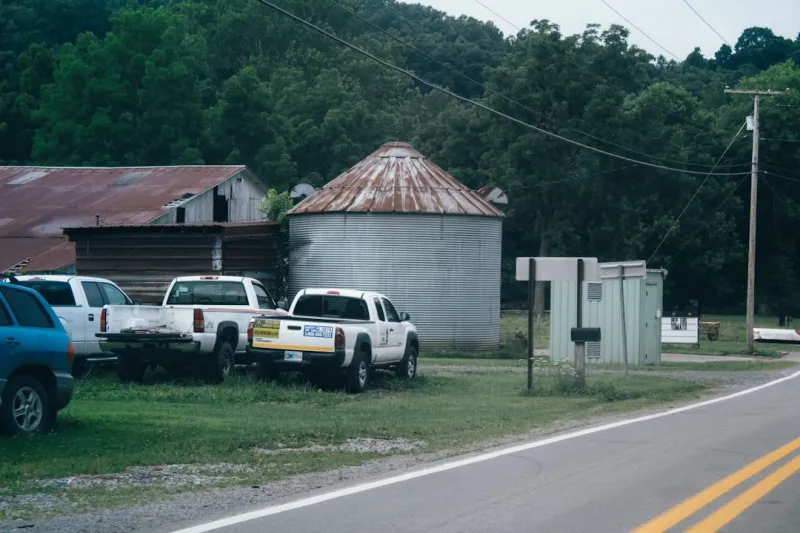
Rural America is experiencing a new era of growth and opportunity, driven by technological advanceme... Read More

Scorching Heatwave Grips Ontario and Quebec: How to Stay Safe During Dangerously High Temperatures
Southern and eastern Ontario, along with southern and western Quebec, are bracing for a prolonged pe... Read More

Why Data Sovereignty Is the New National Imperative for Canadian SaaS Leaders
Data sovereignty isn’t just a legal checkbox; it’s a strategic lever for Canadian SaaS firms. Le... Read More
Top Posts

Beyond the Waiting Room: Community Telehealth Hubs Transform Canadian Healthcare
Community telehealth hubs blend local support with virtual specialist care, using reliable broadband, patient‑centered communication, and responsible AI to br...Read More

Cost of Living as a Competitive Advantage: Turning Geography into Growth
A fresh look at cost of living shows it can be a strategic lever for SaaS companies, aligning compensation with real expenses, offering flexible benefits, and t...Read More

Tariff Tactics: Turning Trade Barriers into a SaaS Advantage
A fresh look at tariffs reveals hidden opportunities for SaaS firms. Learn strategic levers—from edge infrastructure to localized pricing—that turn trade ba...Read More
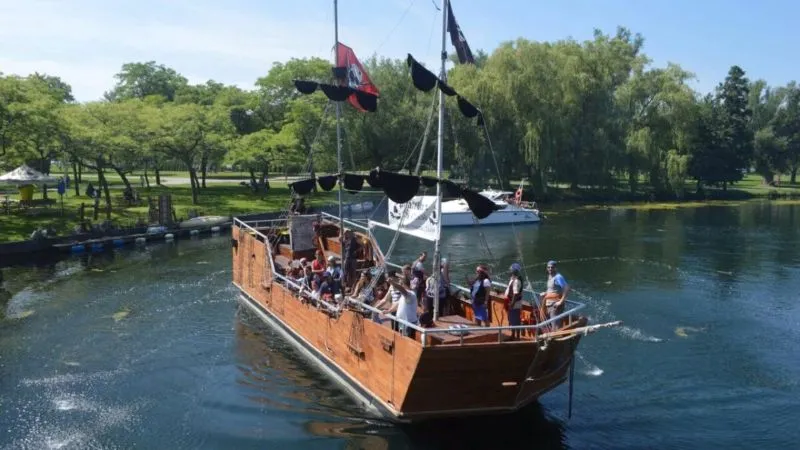
Escape the Ghost Ship: An Immersive Escape Room Adventure on the High Seas
Ahoy, mateys! Prepare to embark on an unforgettable adventure that combines the thrill of an escape room with the charm of a scenic cruise. Escape the Ghost Shi...Read More
0 Comments
Post Comment
You will need to Login or Register to comment on this post!