
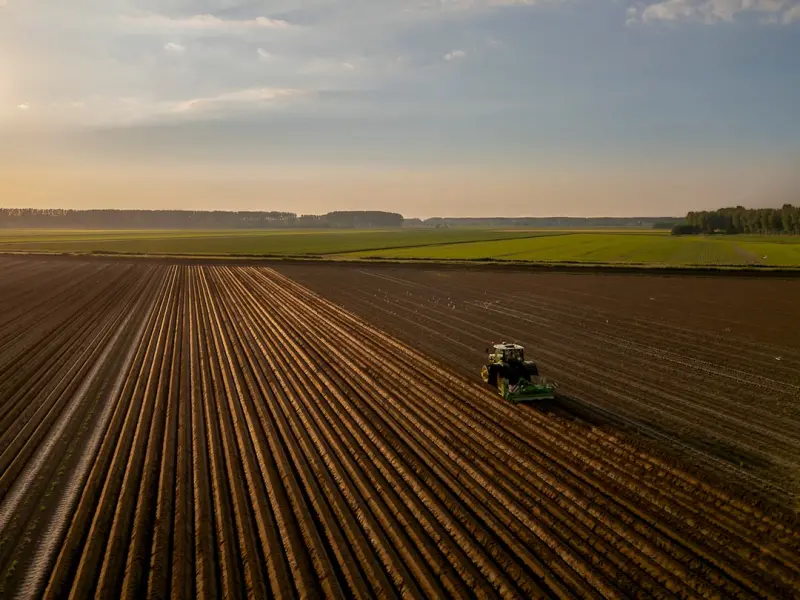
The Rise of Climate‑Smart Cooperatives
Across the prairie provinces and the fertile valleys of Ontario, a quiet revolution is taking root as farms band together to form climate‑smart cooperatives. These alliances blend traditional stewardship with cutting‑edge sustainability practices, allowing small‑scale producers to share resources such as renewable energy installations, precision‑agriculture tools, and carbon‑offset programs. By pooling capital and expertise, farmers can offset the high upfront costs of solar arrays or wind turbines, turning what was once a financial gamble into a community‑wide win‑win. Collective action not only reduces individual carbon footprints but also strengthens bargaining power in regional markets, ensuring that eco‑friendly produce commands the premium it deserves.
Renewable Energy: From Idea to Implementation
One of the most transformative steps these cooperatives are taking is the joint deployment of renewable energy infrastructure on under‑utilized farmland. Imagine rows of solar panels nestled between cornfields, or modest wind turbines humming beside dairy barns, each feeding clean power back into the grid while offsetting farm energy bills. The shared model means that a single farmer doesn’t have to shoulder the entire investment, and maintenance responsibilities are rotated among members, keeping downtime minimal. As a result, farms are witnessing up to a 30% reduction in operating costs, freeing up capital for further sustainable upgrades.
Precision Agriculture as a Shared Service
Beyond energy, climate‑smart cooperatives are leveraging precision agriculture as a communal service. Drone surveys, soil‑moisture sensors, and satellite‑based analytics are now rented out on a subscription basis, allowing even the smallest family farm to benefit from data‑driven decision‑making. By analyzing real‑time information on moisture levels, pest pressures, and nutrient availability, farmers can fine‑tune irrigation schedules and fertilizer applications, cutting waste and minimizing runoff into waterways. This data‑centric approach not only boosts yields but also aligns with stricter environmental regulations, positioning members as leaders in responsible stewardship.
Building Resilience Through Shared Knowledge
Knowledge exchange sits at the heart of these cooperatives, fostering a culture where veteran growers mentor newcomers on climate‑adaptive techniques. Monthly workshops cover topics ranging from cover‑cropping strategies to regenerative grazing practices, ensuring that best practices spread rapidly across the network. The collective also maintains an online portal where members upload field observations, creating a living database that predicts emerging challenges such as disease hotspots or extreme weather events. This collaborative intelligence transforms uncertainty into actionable insight, making farms more resilient to the volatility of climate change.
Financial Incentives and Policy Support
Governments at both provincial and federal levels are taking note, offering grants and low‑interest loans specifically earmarked for cooperative sustainability projects. By presenting a unified front, cooperatives can more easily qualify for these programs, securing funding that would be out of reach for isolated farms. Moreover, the aggregated carbon credits generated by the group’s collective actions can be sold on emerging markets, providing an additional revenue stream that rewards environmental stewardship. These financial mechanisms create a virtuous cycle where ecological responsibility directly translates into economic gain.
Connecting Consumers to Sustainable Stories
Today's shoppers are increasingly demanding transparency about where their food originates and how it’s produced. Climate‑smart cooperatives meet this demand by crafting compelling narratives that trace each product back to a network of environmentally conscious farms. Through farm‑to‑table events, branded packaging, and digital storytelling, consumers can see the tangible impact of their purchases, from reduced greenhouse gas emissions to enhanced biodiversity on the land. This authentic connection not only drives sales but also builds a loyal customer base that champions the cooperative’s mission.
Case Study: A Cooperative’s Journey
One notable example is a multi‑province cooperative that recently integrated a 5‑megawatt solar farm across its member properties. The initiative was documented in From Soil to Screen: How Canadian Farmers Are Redefining Rural Resilience, highlighting how shared renewable infrastructure can become a beacon of innovation. The project slashed collective energy costs by 28%, generated enough surplus power to sell back to the grid, and earned the group a spot in a national carbon‑offset registry. This success story illustrates the scalable potential of cooperative models, encouraging other regions to replicate the blueprint.
Future Outlook: Scaling the Cooperative Model
Looking ahead, the ambition is to expand the cooperative framework beyond traditional agriculture into allied sectors such as agro‑forestry, aquaculture, and even rural tourism. By integrating diverse revenue streams, cooperatives can buffer against market fluctuations and climate shocks, ensuring long‑term viability. Partnerships with research institutions will further accelerate the adoption of breakthrough technologies, from nitrogen‑fixing bio‑fertilizers to AI‑driven climate forecasts. As more farms embrace this collaborative ethos, the collective impact could reshape Canada’s agricultural landscape into a resilient, low‑carbon powerhouse.
Joining the Movement
For farmers eager to transition into a climate‑smart cooperative, the first step is simple: reach out to local agricultural extension services or existing cooperatives to explore membership opportunities. Engaging with peers, attending regional sustainability forums, and tapping into the growing body of online resources can demystify the process. By committing to shared goals and leveraging collective strength, Canadian farmers are not just adapting to climate change—they are leading the charge, proving that collaboration is the most powerful tool in the fight for a sustainable future.

Related Posts
Beyond the Fields: How Canadian Farmers Are Cultivating Community and Resilience
A deep dive into how Canadian farmers blend tradition with innovation—focusing on mental health, r... Read More

Harvesting Power Together: The Cooperative Wave Transforming Canadian Agriculture
Canadian farmers are banding together in cooperatives, sharing resources, technology, and market pow... Read More
Harvesting Data: How Canadian Farmers Are Turning Sensors into Community Power
Mark Daniels explains how Canadian farms are transforming soil sensors into shared data assets, fost... Read More
Top Posts

Visual Contracts: How Legal Design is Redefining the Lawyer‑Client Experience
Legal design transforms traditional contracts into visual, interactive documents, reducing misinterpretation, speeding negotiations, and enhancing accessibility...Read More

Casting Calm: How Ontario’s Lakes Become Natural Therapy Rooms
Ontario’s lakes are more than just fishing spots—they’re quiet therapy rooms where casting a line can lower stress, foster inclusivity, and promote sustai...Read More

Tariff Tactics: Turning Trade Barriers into a Competitive Edge
Explore a fresh, actionable approach to tariffs that transforms them from cost penalties into strategic opportunities, complete with data‑driven insights, bun...Read More

How to Transform Your Canadian Yard into a Four‑Season Sanctuary
Learn how to reshape your Canadian yard into a vibrant, all‑season retreat with budget‑friendly ideas, clever planting, and cozy winter features that bring ...Read More
0 Comments
Post Comment
You will need to Login or Register to comment on this post!