
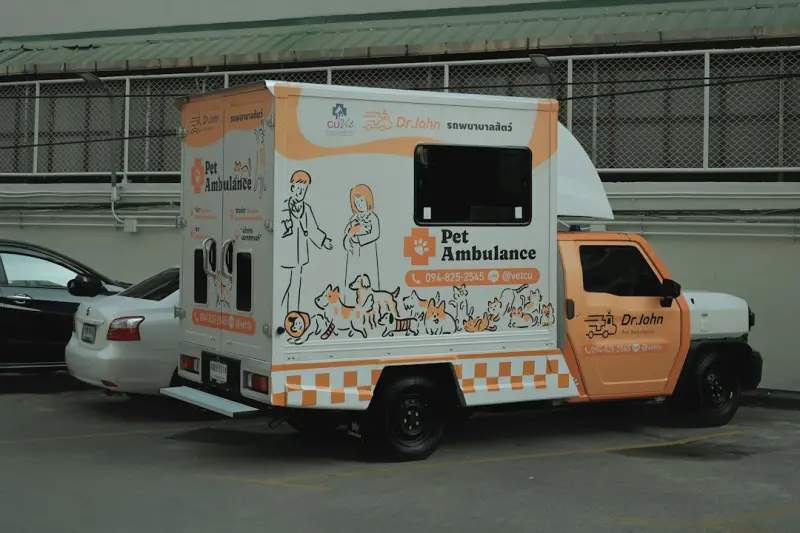
When I grew up on the shores of the St. Lawrence, my grandmother would travel two hours on a gravel road just to see a doctor. She never complained about the journey; she simply trusted that the health system would find its way to her doorstep. Today, that trust is being tested – and reshaped – by a new wave of mobile health clinics that are turning the Canadian North from a place of scarcity into a landscape of possibility.
Why the North Needs a Different Kind of Care
The challenges of delivering health services in Canada’s remote and northern regions are well‑known: vast distances, harsh weather, limited infrastructure, and a patchwork of Indigenous and non‑Indigenous communities each with unique cultural needs. Traditional hospital‑centric models, which work well in dense urban centres, often crumble under the weight of logistical costs and delayed diagnoses when transplanted to isolated towns.
But the problem isn’t just geography. It’s also about equity. According to recent health equity reports, residents of northern Quebec, Nunavut, and the Yukon experience higher rates of chronic illnesses, mental‑health challenges, and lower life expectancy than their southern counterparts. The root causes are complex – from food insecurity to limited access to preventive care – yet a common thread is the lack of a consistent, on‑the‑ground health presence.
Mobile Clinics: From Trucks to Tailored Health Hubs
Enter the mobile clinic – a purpose‑built vehicle equipped with diagnostic tools, telemedicine capabilities, and a team of culturally competent health professionals. These aren’t the outdated “medical vans” of the 1990s. Modern units are modular, climate‑controlled, and often powered by renewable energy sources, allowing them to operate year‑round even when the temperature drops below –30°C.
What sets today’s mobile clinics apart is their holistic approach. Rather than simply offering a pop‑up doctor’s visit, they provide:
- Preventive screenings – blood pressure, diabetes checks, and vision tests that catch issues before they become emergencies.
- Mental‑health safe spaces – private rooms for counseling, crisis intervention, and culturally specific healing practices.
- Tele‑specialty links – high‑speed satellite internet that connects patients to cardiologists, oncologists, or pediatricians thousands of kilometres away.
- Community health education – workshops on nutrition, safe water, and disease prevention led by local health promoters.
Each clinic acts as a mobile health hub, adapting its services to the seasonal and cultural rhythms of the community it serves. In spring, the focus may shift to water‑borne illness prevention; in winter, it might pivot to respiratory health and vitamin D supplementation.
Data at the Heart – Without the Noise
One of the most powerful yet under‑appreciated aspects of mobile clinics is the way they gather and use health data. By collecting anonymized, real‑time health metrics from patients across remote regions, clinicians can identify emerging health trends before they become crises. This is not about invasive surveillance; it’s about smart, responsible data stewardship that respects community autonomy.
For a concrete example of how data can inform on‑the‑ground decisions, consider the story of a mobile clinic that partnered with a tech start‑up to track seasonal flu patterns across three Inuit communities. The aggregated data revealed a spike three weeks earlier than the provincial health authority’s reports, prompting a targeted vaccination campaign that averted a potential outbreak. The same principle is echoed in the hospitality sector, where real‑time data is reshaping decision‑making in restaurants, highlighting how immediate insights can drive swift, effective action.
Respecting Sovereignty and Cultural Context
Health care in Indigenous territories cannot be divorced from the principles of self‑determination. Mobile clinics must be co‑designed with community leaders, respecting traditional healing practices and language preferences. In several pilot projects, Elders sit alongside nurses to guide care protocols, ensuring that modern medicine complements, rather than supplants, ancestral knowledge.
One successful model in northern British Columbia involves a rotating team of Indigenous health workers who are fluent in both English and local First Nations languages. Their presence has dramatically increased patient comfort levels, leading to higher attendance rates for follow‑up appointments. This approach aligns with broader national conversations about health sovereignty and the importance of culturally safe care.
Technology That Bridges, Not Replaces
While telehealth has surged across Canada, its impact in remote areas hinges on reliable connectivity. Satellite broadband, once a luxury, is now becoming a baseline requirement for mobile clinics. Coupled with portable diagnostic devices—think handheld ultrasound and point‑of‑care blood analyzers—clinicians can perform sophisticated assessments that previously required patients to travel hundreds of kilometres.
However, technology is a tool, not a panacea. A recent cautionary piece about digital spaces warned of the invisible data trail left by children online (when the playground goes digital). In healthcare, a similar vigilance is needed to protect patient privacy, especially when data traverses international servers. Robust encryption, community‑controlled data repositories, and transparent consent processes are essential safeguards.
Economic Ripple Effects
Beyond the immediate health benefits, mobile clinics stimulate local economies. Each clinic creates jobs for drivers, technicians, and support staff, often recruiting from within the community. The presence of health services also encourages other businesses—pharmacies, local food producers, and even tourism operators—to invest in the area, knowing that a healthier population can sustain broader economic growth.
Moreover, early detection of chronic conditions reduces long‑term health expenditures for both families and the public system. A study by Health Canada estimated that for every dollar invested in preventive mobile health services, the system saved up to $4 in downstream costs related to emergency care and hospital stays.
Policy Landscape: From Pilot to Permanent Fixture
Provincial governments have begun to recognize the value of mobile health solutions. Recent budget allocations earmarked funds for expanding the “Health on Wheels” program across the Prairies and Atlantic provinces. Yet, scaling these initiatives requires coordinated federal‑provincial policies that address funding continuity, workforce training, and infrastructure standards.
Key policy recommendations include:
- Long‑term funding models that move beyond short‑term grants and ensure sustained operations.
- National accreditation standards for mobile health units, guaranteeing safety and quality across jurisdictions.
- Incentives for health professionals to serve in mobile roles, such as loan forgiveness or salary supplements.
- Data governance frameworks that give Indigenous communities ownership over health data collected in their territories.
Stories From the Road
Every mile traveled by a mobile clinic brings a story worth sharing. In Labrador, a young mother named Aaliyah received a prenatal check‑up that identified a high‑risk pregnancy early enough to arrange a safe delivery plan. In the Yukon, a teenager battling depression found solace in a therapist who understood his love for sled dog racing, integrating that passion into his treatment plan.
These narratives illustrate a simple truth: health care is most effective when it meets people where they are – literally and figuratively. Mobile clinics embody this principle, turning the notion of “access” from a distant promise into a tangible, day‑to‑day reality.
The Road Ahead: Scaling with Compassion
As Canada strives toward universal, equitable health care, the mobile clinic model offers a scalable, compassionate pathway forward. It aligns cutting‑edge technology with community wisdom, data‑driven insights with cultural humility, and economic incentives with health outcomes.
In my view, the next frontier isn’t simply building more trucks; it’s forging enduring partnerships between health authorities, Indigenous governments, tech innovators, and the communities themselves. When these stakeholders sit together at the planning table, the result is a health system that truly belongs to every Canadian, from the bustling streets of Toronto to the remote hamlets tucked beneath the aurora.
So the next time you hear a rumble on a quiet northern road, know that it may be the sound of progress rolling in – a mobile clinic, lights on, doors open, ready to listen, diagnose, and heal. It’s a reminder that the best health care never stays still; it moves, adapts, and, most importantly, reaches out.

Related Posts

Rolling Care: How Mobile Clinics Are Redefining Access in Canada
Mobile clinics are emerging as a flexible, technology‑driven solution to Canada’s geographic hea... Read More

How Telehealth is Redefining Access to Care in Canada's Remote Communities
Telehealth is reshaping care for Canada's remote regions, delivering specialist services, cutting tr... Read More
Community‑Driven Health Hubs: Redefining Canadian Care
Community‑driven health hubs are emerging across Canada, offering integrated primary care, mental ... Read More
Top Posts

When AI Becomes Your Lawyer: Navigating the New Frontier of Automated Legal Advice
AI is reshaping legal services, offering speed and cost savings while raising liability, bias, and compliance concerns. This post unpacks the risks, regulatory ...Read More

Savoring the World: A Sensory Traveler’s Guide to Food, Culture, and Storytelling
Explore travel through taste, scent, and sound, turning every market visit and meal into a vivid story you can relive at home....Read More

Reimagining Prom & Graduation: Memory‑Makers for Modern Milestones
Explore fresh, inclusive, and tech‑enhanced concepts for prom and graduation that go beyond traditional décor, creating meaningful milestones that resonate l...Read More

Redefining Prom & Graduation: A Sustainable, Inclusive Playbook for the Modern Class
A fresh perspective on prom and graduation shows how sustainability, tech, inclusivity, and smart budgeting can turn these milestones into lasting, meaningful c...Read More
0 Comments
Post Comment
You will need to Login or Register to comment on this post!