
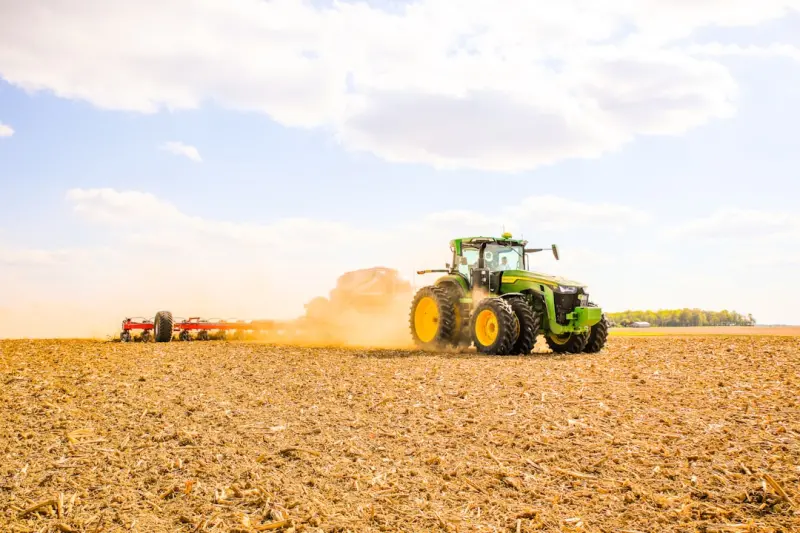
Re‑imagining the Farmstead: A Personal Journey
Growing up on a modest plot in the Ontario countryside, I learned that a farm is more than rows of corn and a tractor‑filled shed; it is a living archive of weather, soil, and community memory that whispers its lessons to anyone willing to listen, and today I carry that legacy into a new era where technology, tradition, and tenacity converge to redefine what it means to be a Canadian farmer; the wind that once scattered my father’s seed bags now carries data packets from satellite‑linked sensors, and those same packets help us predict frost dates with a precision our grandparents could only dream of. Every sunrise on the fields feels like a fresh page, inviting us to write stories that honor the land while embracing innovation, and as I walk the furrows, I feel a responsibility to share these evolving narratives with readers who might otherwise see agriculture as a static backdrop to our national identity. This perspective fuels my commitment to spotlight the quiet revolutions sprouting across our rural heartlands, where each decision—whether about soil health or market strategy—carries the weight of generations and the promise of tomorrow.
Regenerative Soil Management: From Compost to Carbon
One of the most profound shifts I’ve witnessed is the move from conventional tillage to regenerative practices that treat the soil as a living organism, a strategy that not only boosts yields but also sequesters atmospheric carbon, turning farms into natural climate buffers; by integrating cover crops, reduced‑impact machinery, and holistic grazing, we create a tapestry of roots that protect against erosion while feeding the microbes that turn organic matter into fertile ground. In this context, the lessons from Zero‑Waste Kitchen Hacks echo loudly, reminding us that every leaf, stalk, and husk left on the field can become a nutrient‑rich amendment rather than waste, closing the loop between harvest and soil restoration. The result is a resilient ecosystem that can endure extreme weather, support biodiversity, and ultimately deliver premium produce that tastes like the land itself, proving that stewardship and profitability are not opposing forces but complementary partners.
Indigenous Knowledge as a Blueprint for Sustainability
Collaborating with nearby First Nations has opened my eyes to centuries‑old stewardship principles that emphasize balance, reciprocity, and respect for the eight directions, and these teachings are now informing modern crop rotations, water management, and fire‑adapted landscapes across the Prairies; when we honor the Indigenous practice of “seven generations,” we design farming systems that prioritize long‑term soil vitality over short‑term profit, ensuring that the fields we inherit remain fertile for our children and grandchildren. By inviting Elders to share stories of wild harvests and seasonal rhythms, we integrate a cultural narrative that enriches our technical knowledge, creating a hybrid model where scientific data and oral tradition reinforce each other, leading to more nuanced decisions about planting dates and species selection. This partnership not only strengthens community bonds but also showcases a pathway for the entire agricultural sector to embed cultural humility into everyday operations, fostering a landscape where both people and plants thrive.
Agri‑Tech Cooperatives: Data Shared, Power Distributed
In recent seasons, a wave of farmer‑owned cooperatives has emerged, pooling resources to purchase drones, soil‑mapping tools, and AI‑driven analytics that were once the exclusive domain of large agribusinesses, and this collective ownership democratizes access to cutting‑edge insights that can predict disease outbreaks, optimize irrigation, and tailor nutrient applications with surgical precision; the cooperative model also ensures that any profit generated from data services is reinvested back into member farms, creating a virtuous cycle of improvement and financial stability. By establishing open‑source platforms where each participant contributes field observations, we build a shared knowledge base that evolves in real time, allowing a farmer in New Brunswick to learn from a peer’s experience with a late‑season pest in the Okanagan, and vice versa, accelerating problem‑solving across provinces. Such collaborative ecosystems empower small‑scale growers to compete on quality and sustainability, turning data from a competitive weapon into a communal asset that fuels collective resilience.
Digital Marketplaces: Cutting Out the Middleman
The rise of localized e‑commerce platforms has given Canadian farmers a direct line to consumers hungry for traceable, fresh‑from‑field produce, and by leveraging geo‑targeted apps, we can showcase daily harvests, share farm stories, and accept pre‑orders that reduce post‑harvest waste, creating a transparent supply chain that benefits both grower and shopper; this digital bridge also allows us to price our goods based on true production costs rather than market whims, fostering fairer remuneration for labor‑intensive practices like hand‑picked berries or heritage grain milling. As we curate seasonal boxes that reflect the terroir of each region, we invite customers to become co‑creators of their meals, deepening the relationship between plate and pasture, and reinforcing the notion that food is not just sustenance but a cultural exchange. The immediacy of these platforms mirrors the excitement of a farmer’s market stall, yet it extends reach beyond the local town square, connecting remote buyers with the stories behind each seed.
Climate‑Resilient Crop Diversification
Facing unpredictable weather patterns, many Canadian farms are experimenting with poly‑culture designs that blend traditional staples with climate‑smart alternatives such as lentils, hemp, and cold‑tolerant brassicas, a strategy that spreads risk, improves soil structure, and opens new market niches; by rotating between deep‑rooted legumes and shallow‑rooted greens, we enhance nitrogen fixation, reduce pest pressure, and create a mosaic of harvest times that smooths cash flow throughout the year. This diversification also dovetails with emerging consumer interest in plant‑based proteins, linking back to the insights from Beyond Meat, which highlights the growing demand for sustainable protein sources that can be grown locally, reducing reliance on imported commodities. As farms adopt these resilient palettes, they not only safeguard their own livelihoods against climate shocks but also contribute to a national food system that is less vulnerable to global supply disruptions, reinforcing sovereignty and ecological balance.
Seed Sovereignty: Community‑Driven Conservation
In response to the homogenization of commercial seed catalogs, a growing network of farmer seed banks is reclaiming genetic diversity by preserving heirloom varieties that are uniquely adapted to Canada’s micro‑climates, and these community‑run repositories empower growers to select seeds that thrive in local conditions without costly licensing fees; the act of exchanging seed packets at regional gatherings reinforces a sense of shared stewardship, turning each farmer into a custodian of biodiversity that future generations can inherit. By documenting performance data for each variety—such as drought tolerance, pest resistance, and flavor profile—we build a living library that informs breeding decisions and helps maintain a resilient agricultural gene pool, essential for confronting emerging challenges like new pathogens or shifting pollinator patterns. This grassroots movement also challenges the narrative that large corporations hold a monopoly on innovation, showcasing how collective wisdom and hands‑on experimentation can drive meaningful progress from the ground up.
Policy Advocacy from the Soil Up
Recognizing that meaningful change requires supportive frameworks, many farm collectives are now engaging directly with municipal and provincial decision‑makers, presenting evidence‑based proposals that champion incentives for carbon‑sequestering practices, streamlined permitting for renewable energy installations, and fair pricing mechanisms for locally produced foods; these advocacy efforts are rooted in the lived experience of daily fieldwork, lending credibility that academic reports alone often lack, and they demonstrate that farmers are not passive recipients of policy but proactive architects of their own future. By forming alliances with environmental NGOs, Indigenous councils, and consumer groups, we amplify our voice, ensuring that legislation reflects the interconnected realities of climate, culture, and commerce; successful campaigns have already resulted in grant programs for regenerative equipment and tax credits for farms that adopt biodiversity corridors. This collaborative approach underscores a fundamental truth: when growers step into the political arena armed with data, stories, and solidarity, they can reshape the regulatory landscape to nurture a thriving, sustainable agricultural sector.
Looking Ahead: A Vision of Shared Prosperity
As I stand among rows of kale swaying under a crisp morning sky, I see a future where Canadian farms are not isolated plots but vibrant nodes in a network of knowledge, technology, and community, each contributing to a national tapestry that balances economic viability with ecological stewardship; the convergence of regenerative techniques, Indigenous wisdom, cooperative data ownership, and direct‑to‑consumer platforms paints a portrait of resilience that can weather the uncertainties of climate change, market volatility, and shifting consumer preferences. By embracing these interconnected pathways, we nurture a farm system that honors the past, leverages the present, and anticipates the needs of tomorrow, ensuring that the soil beneath our boots remains fertile, the harvests abundant, and the stories of the land continue to inspire generations to come. In sharing this journey, I hope to invite readers to become partners in the ongoing conversation about food, land, and the shared responsibility we hold for the health of our nation’s heartland.

Related Posts
From the Field to the Cloud: Data‑Driven Wins for Canadian Farmers
Canadian farmers are turning soil sensors, satellite imagery, and cooperative data platforms into po... Read More
The Struggles and Triumphs of Canadian Farmers
Canadian farmers play a vital role in the country's economy, but they face a multitude of challenges... Read More
From Field to Fork: Building Direct Digital Brands on Canadian Soil
Canadian growers are turning farms into trusted digital brands, using e‑commerce, subscription mod... Read More
Top Posts

Beyond the Glitter: Sustainable, Tech‑Smart Ways to Own Your Prom & Graduation Night
A fresh take on prom and graduation planning that blends sustainable fashion, smart budgeting, and community‑focused tech tools, turning the night into a last...Read More

Why Storytelling Is the New Engine Driving Cruises and Bus Tours
Why Storytelling Is the New Engine Driving Cruises and Bus Tours When I first stepped onto a mega‑liner in the middle of the Atlantic, I expected the usual li...Read More

Healing Together: How Indigenous Wisdom Is Shaping Canada’s Healthcare Future
A deep dive into the collaborative integration of Indigenous healing traditions with Canada’s health system, highlighting community navigators, digital twins,...Read More
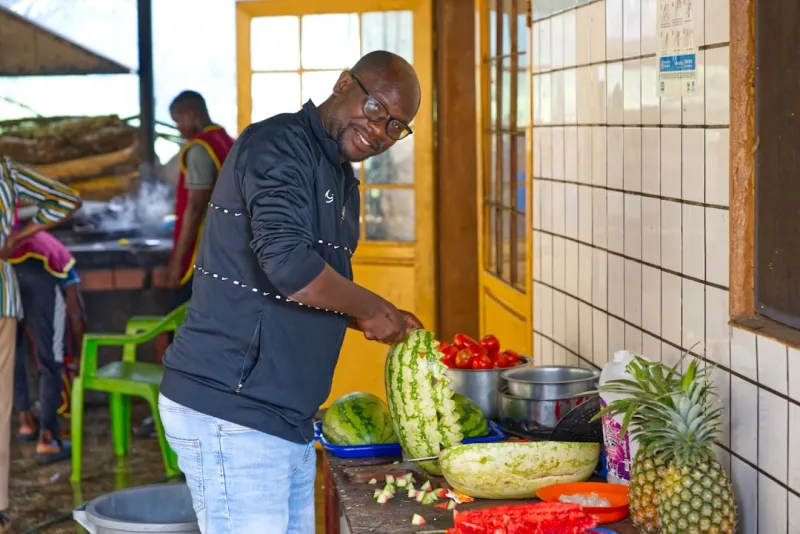
The Flavors of Community: How Local Food Can Bring People Together
Local food has the power to bring people together and foster a sense of community. By supporting local businesses and choosing to eat local, we contribute to th...Read More
0 Comments
Post Comment
You will need to Login or Register to comment on this post!