

Why the Quietest Signals Often Matter Most
When I first started my morning runs in the misty woods of my hometown, I thought I was simply chasing a sunrise. What I didn’t realize was that each breath, each subtle shift in temperature, and even the faint rustle of leaves were tiny data points my body was sending me. Those whispers, if we learn to hear them, can become the cornerstone of a healthier, more balanced life.
The Body’s Built‑In Calendar
Most of us are familiar with the circadian rhythm – the 24‑hour cycle that dictates when we feel alert and when we crave sleep. Yet fewer people consider the ultradian cycles, those 90‑minute waves of energy that rise and fall throughout the day. Ignoring these patterns can leave us feeling perpetually “off‑schedule,” leading to chronic fatigue, mood swings, and even metabolic hiccups.
Here’s a simple experiment: for the next week, set a timer for 90 minutes during your workday. When the alarm goes off, pause, stretch, sip water, and note how you feel. Over time you’ll notice that some tasks feel natural during certain windows while others feel forced. Aligning work, exercise, and meals with these rhythms can dramatically improve productivity and mood.
Biofeedback: Turning Intuition Into Insight
In the past decade, wearable technology has leapt from niche fitness trackers to sophisticated biofeedback devices. These gadgets can now monitor heart‑rate variability (HRV), skin conductance, and even subtle changes in breathing patterns. While the tech is impressive, the real magic happens when you pair data with intuition.
For example, a spike in HRV often signals your body is in a relaxed, restorative state. If you notice this during a stressful meeting, it’s a cue to pause, take a few deep breaths, and recalibrate. Conversely, a sudden drop may indicate mounting stress, prompting a quick walk or a moment of mindfulness.
Don’t feel compelled to buy the most expensive device. Even a basic heart‑rate monitor can provide enough feedback to start recognizing patterns. The key is consistency: check your metrics at the same times each day and look for trends rather than isolated readings.
The Sensory Environment: More Than Just “Clean Air”
We often hear about improving indoor air quality as a standalone health tip. While fresh air is essential, the broader sensory environment – smell, sound, lighting, and even texture – plays a huge role in our physiological state.
- Smell: Aromas like citrus or pine can stimulate the nervous system, boosting alertness. Conversely, heavy, musky scents may trigger relaxation. Experiment with essential oils or natural fragrances in different rooms to see how they affect your focus.
- Sound: Background noise isn’t just an annoyance; it can elevate cortisol levels. Soft, ambient sounds or white noise can reduce stress, especially in open‑plan offices where chatter is constant.
- Light: Natural daylight regulates melatonin production, guiding sleep‑wake cycles. If your workspace lacks windows, consider a light therapy lamp that mimics sunrise.
- Texture: The feel of the chair you sit on, the fabric of your clothing, or even the temperature of your mug can send signals to your brain about comfort and safety. Small upgrades – a supportive cushion or a breathable shirt – can subtly improve posture and mood.
By curating a sensory‑friendly environment, you’re essentially giving your brain a clear, consistent script to follow, reducing the “noise” that can trigger stress responses.
Tiny Daily Health Habits That Add Up
While the term “micro‑wellness” has been tossed around lately, the concept remains powerful: a collection of small, intentional actions can produce a profound cumulative effect. Here are five habits you can embed without overhauling your routine:
- Hydration checkpoints: Place a water bottle at your desk and set a gentle reminder every two hours to take a sip. Hydration supports cognition, skin health, and digestion.
- Micro‑movement bursts: Every hour, stand, roll your shoulders, or do a quick set of calf raises. This combats the blood‑pooling that occurs from prolonged sitting.
- Mindful breath pause: Before answering a phone call or opening an email, inhale for four counts, hold for two, exhale for six. This simple rhythm activates the parasympathetic nervous system.
- Seasonal food rotation: Align your grocery list with what’s in season. Seasonal produce is often richer in nutrients and supports your body’s natural rhythms.
- Digital sunset: Two hours before bedtime, switch off bright screens and dim the lights. This signals melatonin production, leading to deeper sleep.
These practices don’t require a major time commitment, but over weeks and months they become a second nature, reinforcing the body’s intrinsic balance.
Leveraging Local Health Ecosystems
Health isn’t solely an individual pursuit; it thrives within a community context. In many regions, grassroots initiatives are reshaping how we think about care by fostering trust and shared responsibility. For instance, community‑run wellness hubs, farmer’s markets featuring nutrient‑dense produce, and peer‑led meditation circles are emerging as powerful allies in the health journey.
Explore opportunities in your neighborhood: perhaps there’s a local garden where you can volunteer, a library hosting free yoga classes, or a neighborhood clinic that runs weekly nutrition workshops. Engaging with these local health collaborations not only expands your support network but also amplifies the impact of your personal health choices.
Putting It All Together: A Personal Blueprint
Below is a sample day that weaves the concepts discussed into a cohesive routine. Feel free to adjust the timings to match your own ultradian peaks and personal commitments.
- 6:30 am – Sunrise stretch: Open your curtains, let natural light flood the room, and perform a gentle yoga flow while breathing in the fresh scent of a nearby citrus diffuser.
- 7:15 am – Hydration & breakfast: Sip a glass of water infused with a slice of cucumber, then enjoy a bowl of seasonal fruit topped with nuts.
- 9:30 am – First ultradian checkpoint: Pause for a 90‑minute breathing exercise using a wearable HRV monitor to gauge relaxation.
- 12:00 pm – Sensory lunch break: Eat outdoors if possible, savoring the ambient sounds of birds and the feel of a wooden table under your elbows.
- 2:45 pm – Micro‑movement burst: Stand, stretch, and do a quick set of squats. Follow with a brief walk to reset focus.
- 5:30 pm – Community connection: Attend a local wellness workshop or simply chat with a neighbor about the day’s meals and moods.
- 9:00 pm – Digital sunset: Dim lights, turn off screens, and engage in a calming activity like reading or journaling.
- 10:00 pm – Sleep prep: Perform a final breathing pause, ensuring HRV is elevated, then drift off with a sense of alignment.
Notice how each element respects the body’s natural cycles, leverages technology for insight, nurtures the senses, and taps into community resources. Over time, this integrated approach can transform how you experience health – not as a series of isolated tasks, but as a harmonious rhythm.
Final Thoughts: Embrace the Whisper, Not Just the Shout
Our culture often glorifies the dramatic – a major diet overhaul, an intense workout marathon, or a once‑in‑a‑lifetime health retreat. While those can be valuable, the most sustainable improvements often emerge from listening to the quiet signals our bodies send every day.
Start small, stay consistent, and remember that every breath, scent, and subtle shift is an invitation to align more closely with your innate health blueprint. By honoring these whispers, you’ll cultivate a resilience that feels as natural as the sunrise you greet each morning.

Related Posts

Reclaiming Mental Immunity: A Digital Detox Blueprint
Learn how to build mental immunity through a sustainable digital detox, integrating screen audits, a... Read More
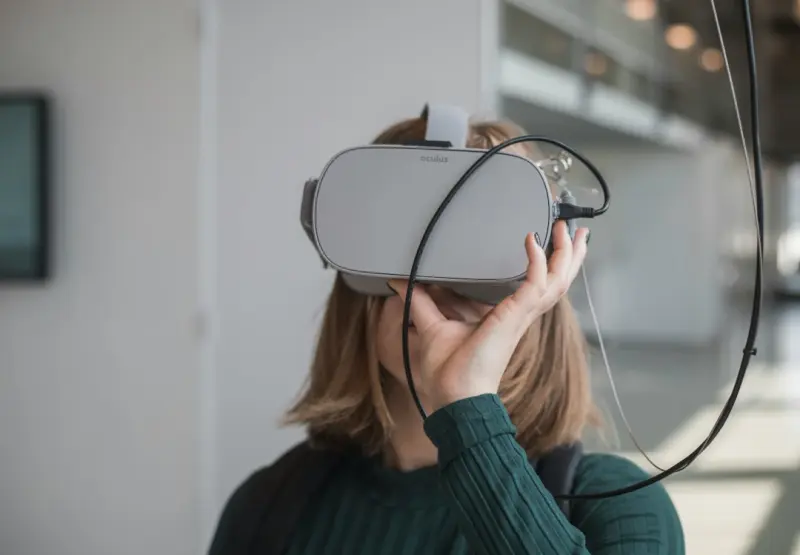
Immersive Healing: How Virtual Reality is Transforming Mental Health Care
Virtual reality is moving beyond gaming to become a powerful therapeutic tool, offering immersive ex... Read More

The Rise of NB.1.8.1: Ontario's Projected Dominant Strain and How to Protect Yourself
As the landscape of the COVID-19 pandemic continues to evolve, a new variant is poised to take cente... Read More
Top Posts

Parental Warning: The Quiet Data Harvesting in Kids’ Smart Toys
This article uncovers the hidden data collection in AI‑powered children’s toys, explains the risks, and offers practical steps for parents to safeguard thei...Read More

When Playtime Becomes a Data Mine: A Parental Warning
A deep dive into how children’s apps harvest data, the legal and psychological implications, and actionable strategies for parents to safeguard their kids’ ...Read More

Tariff Tango: Redefining B2B SaaS in a Borderless World
A deep dive into the emerging world of digital tariffs, showing SaaS leaders how to navigate data‑flow fees, leverage data trusts, and turn regulatory challen...Read More

The Heart of Rural Dining: A Journey Through Local Flavors
Rural dining is about more than just food – it's about community, connection, and a sense of belonging. Learn how local flavors can foster a sense of connecti...Read More
0 Comments
Post Comment
You will need to Login or Register to comment on this post!