
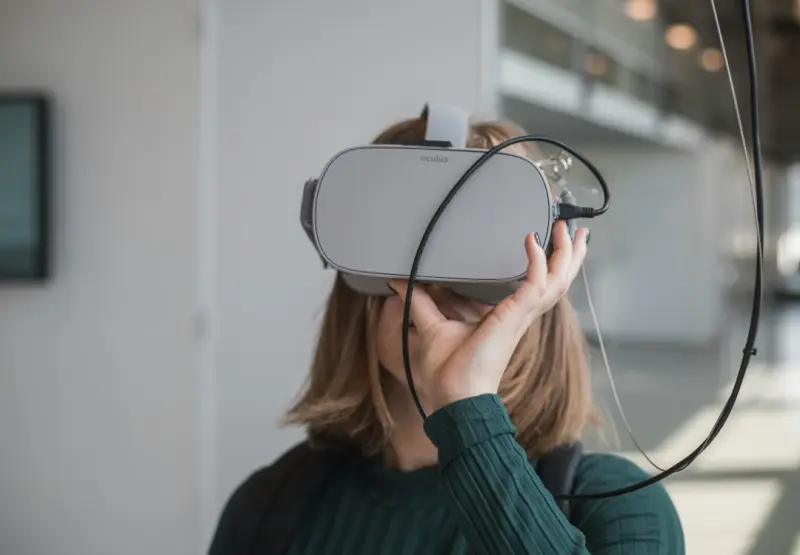
Immersive Healing: How Virtual Reality is Transforming Mental Health Care
When I first slipped on a headset for a guided meditation, I expected the usual calming music and a static beach scene. What I got instead was an entire world that responded to my breath, my heart rate, and even my subtle gestures. It was a reminder that technology, once blamed for fragmenting attention, can also stitch together the frayed edges of our mental wellbeing.
In the past few years, virtual reality (VR) has leapt from the realm of gaming into clinical corridors, research labs, and even living rooms. The shift is more than a novelty; it’s a seismic change in how we approach therapy, pain management, and emotional resilience. In this post, I’ll unpack why VR is gaining traction, examine the science that backs its efficacy, explore real‑world applications, and consider the ethical and practical hurdles that still need to be cleared.
The Science Behind the Immersion
VR’s power lies in its ability to create a sense of presence—a feeling that you truly “are there.” Neuroscientists have shown that when the brain perceives an environment as real, it activates the same neural pathways as it would in the physical world. This phenomenon, known as embodied cognition, means that virtual experiences can trigger genuine emotional and physiological responses.
One landmark study measured cortisol levels (the body’s stress hormone) before and after a 10‑minute VR nature walk. Participants emerged with significantly lower cortisol, heart rate, and self‑reported anxiety. The implication is clear: immersive environments can serve as rapid, low‑cost stress reducers, rivaling traditional mindfulness practices.
From Exposure Therapy to Empathy Training
Exposure therapy—systematically confronting feared stimuli—has long been a cornerstone of treating phobias and PTSD. VR amplifies this technique by offering a safe, controllable stage. Imagine a veteran reliving a combat scenario, but with the ability to pause, rewind, or adjust intensity at the clinician’s direction. The result is a therapeutic sandbox where trauma can be processed without the unpredictable variables of a real‑world setting.
Beyond fear, VR is being harnessed to cultivate empathy. A recent pilot program placed medical students inside a simulated emergency department where they experienced the chaos through the eyes of a patient with limited mobility. The immersion spurred measurable increases in compassionate communication scores during subsequent real‑patient interactions.
VR as a Pain Management Ally
Chronic pain is notoriously resistant to conventional treatments, and opioid dependence remains a public health crisis. VR offers a non‑pharmacological avenue by diverting attention and modulating pain perception. In a randomized trial, participants undergoing physical therapy reported a 30% reduction in perceived pain when using VR distraction compared to standard care.
What’s fascinating is the “gate control” theory at work: the brain can only process a limited amount of sensory information at a time. By flooding the visual and auditory channels with engaging content, VR effectively “closes the gate” on nociceptive signals, providing relief without side effects.
Personalization: The Next Frontier
One size never fits all in mental health, and the same holds true for VR experiences. Adaptive algorithms now monitor biometric feedback—heart rate variability, galvanic skin response, eye tracking—to fine‑tune the virtual environment in real time. If a user’s stress spikes, the system might transition from a bustling cityscape to a tranquil forest, or shift the color palette to cooler blues.
For those who crave data‑driven insights, VR platforms can generate detailed session reports: duration, intensity of emotional peaks, physiological trends, and even post‑session mood assessments. These analytics empower clinicians to track progress objectively, adjust treatment plans, and demonstrate outcomes to insurers.
Integrating VR into Everyday Life
While clinics are early adopters, the true democratization of VR will happen in homes. As headset prices fall and stand‑alone models become more user‑friendly, individuals can access therapeutic modules on demand. Think of a “reset button” you press after a stressful meeting: a five‑minute VR session that guides you through a calming shoreline, calibrated to your current heart rate.
To illustrate how VR fits into a broader wellness ecosystem, consider the synergy with nutrition. A balanced diet fuels the brain’s neuroplasticity, enhancing the benefits of immersive therapy. For a deeper dive into the science of nutrition, explore colorful nutrition science, which explains how micronutrients support mental resilience.
Addressing the Ethical Landscape
With great power comes great responsibility. VR’s ability to manipulate perception raises questions about consent, data privacy, and potential over‑reliance. Clinicians must ensure that users understand what data is collected—especially biometric readings—and how it will be stored.
Moreover, accessibility remains a concern. While hardware costs are dropping, there’s still a digital divide that could exclude marginalized communities from these cutting‑edge treatments. Partnerships with public health agencies and community centers could bridge this gap, offering shared VR stations in libraries or community health hubs.
Practical Tips for Clinicians and Consumers
- Start Small. Begin with brief, low‑intensity sessions to gauge tolerance and avoid cybersickness.
- Choose Evidence‑Based Apps. Look for platforms that publish peer‑reviewed outcomes or have clear clinical validation.
- Combine Modalities. Pair VR with traditional talk therapy, journaling, or movement practices for a holistic approach.
- Monitor Metrics. Use built‑in analytics to track progress, but also prioritize subjective feedback.
- Stay Informed. The field evolves rapidly; follow reputable research outlets and attend webinars on emerging best practices.
The Future: Beyond Headsets
As haptic gloves, scent diffusers, and spatial audio become mainstream, VR will evolve from visual immersion to full‑sensory experiences. Imagine a therapeutic session where a gentle breeze, the scent of pine, and the feel of soft ground underfoot combine to create a truly multisensory sanctuary.
Artificial intelligence will further enhance personalization. By analyzing patterns across thousands of users, AI can suggest optimal session lengths, environments, and progression paths tailored to each individual’s therapeutic goals.
And while we celebrate these advances, it’s worth remembering that technology is a tool—not a replacement for human connection. The most powerful healing still occurs in the space where empathic listening meets innovative practice.
Takeaway
Virtual reality is no longer a futuristic gimmick; it’s a practical, evidence‑based modality reshaping mental health care. Whether you’re a clinician seeking new tools, a patient craving accessible support, or a health enthusiast curious about the next wave of wellness tech, VR invites you to step into a world where healing can be as immersive as it is transformative.
Ready to explore? Dive into a guided VR mindfulness session today and see how a few minutes of digital immersion can recalibrate your mind. And if you’re interested in how other lifestyle choices intersect with mental health, check out our piece on aligning your body clock for peak health for complementary insights.

Related Posts

Quiet Revolutions: Reclaiming Personal Health in the Age of Constant Connectivity
A deep‑dive into how nonstop connectivity erodes our health and a step‑by‑step buffer plan—d... Read More

The Quiet Revolution in Everyday Health: Biofeedback, Breathwork, and Self‑Regulation
Learn how to use heart‑rate variability and a five‑minute daily breathwork routine to boost reco... Read More

Reclaiming Mental Immunity: A Digital Detox Blueprint
Learn how to build mental immunity through a sustainable digital detox, integrating screen audits, a... Read More
Top Posts

Cozy Cabin Living: A Sustainable Winter Retreat in Canada
Explore the art of creating a warm, eco‑friendly cabin retreat in Canada, from solar design to indoor gardening and community barter networks....Read More

The Hidden Architecture of Hyper‑Connected Travel: From Biometric Gates to Pop‑Up Hotels
A deep dive into the new travel ecosystem—biometric identity, AI assistants, AR tours, and modular pop‑up hotels—showing how data, privacy, and sustainabi...Read More

Rediscovering Canada’s National Parks: A Community‑Driven Renaissance
A fresh look at Canada’s national parks reveals a community‑driven renaissance, where locals, Indigenous peoples, and adaptable policies join forces to prot...Read More

FlixBus Extends Toronto-Owen Sound Route, Bringing Affordable Travel to Sauble Beach & Beyond
FlixBus, the popular intercity bus service, has announced a significant expansion to its Toronto-Owen Sound route, just in time for the summer season. This exci...Read More
0 Comments
Post Comment
You will need to Login or Register to comment on this post!