
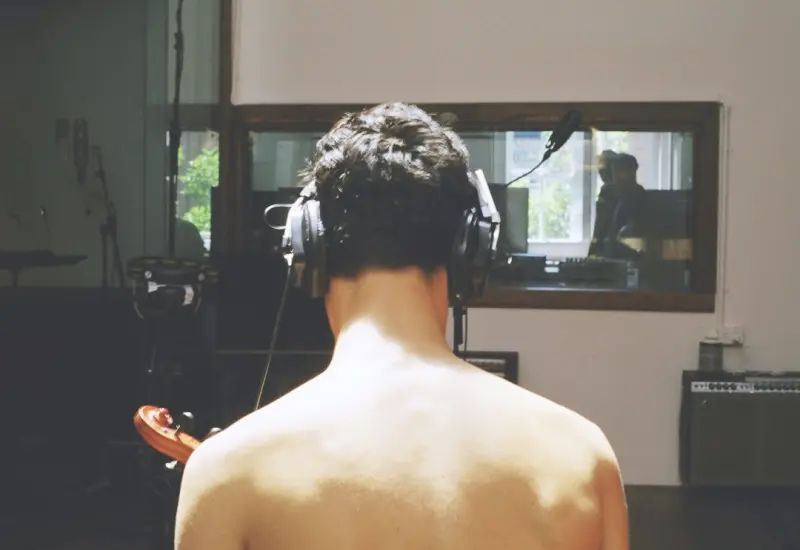
Why Real‑Time Biofeedback Is the Next Frontier in Personal Health
Imagine walking into a meeting, feeling the familiar flutter of anxiety, and instantly seeing on your wristwatch a visual map of your heart rate variability, skin conductance, and breathing cadence. Within seconds, a gentle vibration nudges you to inhale deeply, your smartwatch guides you through a five‑second pause, and your stress level begins to dip. This isn’t a sci‑fi scenario—it’s the lived reality for a growing community of professionals who have swapped reactive health habits for proactive, data‑driven self‑care. In this post, I’ll walk you through the science behind biofeedback, how wearable tech is democratizing access, and practical steps you can take to embed these insights into everyday life.
The Science That Turns Signals Into Insight
At its core, biofeedback is about making the invisible visible. Our bodies emit a constant stream of physiological signals—heart rhythm, muscle tension, respiratory patterns, even subtle changes in skin temperature. Historically, clinicians accessed these metrics in controlled settings using bulky equipment. Today, advances in sensor miniaturization and AI‑driven analytics compress that lab into a device you can wear on your wrist, clip onto a shirt, or even embed in a pair of earbuds.
- Heart Rate Variability (HRV) measures the time interval between heartbeats. A higher HRV typically indicates a resilient autonomic nervous system, while low HRV can signal chronic stress or fatigue.
- Electrodermal Activity (EDA) captures skin conductance, a proxy for sympathetic nervous system activation—essentially, how “on edge” you are.
- Respiratory Rate and Depth provide direct insight into breathing efficiency, which influences oxygen delivery and parasympathetic activation.
When these data points are combined and visualized, patterns emerge that can pinpoint stress triggers, recovery windows, and even early warnings of overtraining or burnout.
From Niche Clinics to Everyday Wardrobes
Two trends have accelerated the migration of biofeedback from clinic rooms to everyday wardrobes:
- Sensor Fusion: Modern wearables now embed optical heart‑rate sensors, galvanic skin response electrodes, and accelerometers in a single, comfortable form factor.
- Machine‑Learning Personalization: Algorithms learn your baseline over weeks, then flag deviations that matter to you—whether that’s a sudden HRV dip before a big presentation or a gradual rise in skin conductance during a long commute.
Brands like Whoop, Oura, and even mainstream smartwatches have introduced “stress scores” and “recovery insights”. While some critics argue that these scores are oversimplified, the real power lies in the feedback loop: you see the metric, you adjust behavior, you see the result. This loop creates a habit of self‑regulation that traditional health advice often lacks.
Integrating Biofeedback Into a Busy Workday
Here’s a practical framework you can adopt, whether you’re a remote freelancer or a corporate executive:
- Set Baseline Goals: Spend a week simply collecting data without trying to change anything. Review nightly reports to understand your natural rhythms.
- Identify High‑Stress Zones: Look for recurring spikes in HRV dip or EDA rise—perhaps during a daily stand‑up or after lunch.
- Micro‑Interventions: Use short, evidence‑based techniques such as box breathing (4‑4‑4‑4), progressive muscle relaxation, or a quick walk. Most wearables can trigger a haptic reminder when they detect a stress event.
- Reflect and Iterate: At week’s end, compare metrics. Did your HRV improve after incorporating a five‑minute breath exercise? Adjust the frequency and type of interventions accordingly.
Beyond Stress: Biofeedback for Sleep, Fitness, and Chronic Conditions
While stress management often takes the spotlight, biofeedback’s applications extend far wider:
- Sleep Optimization: Devices monitor nighttime HRV and breathing irregularities, offering suggestions like temperature adjustments or winding‑down routines.
- Performance Coaching: Athletes use HRV to decide training intensity, ensuring they train hard when recovered and rest when fatigued.
- Chronic Pain Management: Real‑time muscle tension feedback helps users practice relaxation techniques that can reduce pain perception.
These use‑cases demonstrate that biofeedback isn’t a one‑size‑fits‑all tool; it’s a versatile platform that can be customized to meet diverse health goals.
Choosing the Right Tool: What to Look For
When shopping for a biofeedback wearable, consider the following criteria:
- Sensor Accuracy: Look for devices validated in peer‑reviewed studies, especially for HRV and EDA.
- Data Privacy: Ensure the manufacturer uses end‑to‑end encryption and gives you control over data sharing.
- Integration Capability: Choose a device that can sync with your existing health apps or corporate wellness platforms.
- Guided Interventions: Some devices come with built‑in coaching modules—these can be especially helpful for beginners.
Remember, the most expensive gadget isn’t always the best fit for your lifestyle. A modestly priced smartwatch that reliably captures HRV may outperform a pricier, feature‑heavy device if you’re primarily interested in stress monitoring.
Real‑World Success Stories
Companies that have embraced biofeedback for employee wellbeing report measurable outcomes. For instance, a mid‑size tech firm introduced a voluntary program where staff wore HRV monitors during peak project phases. Over a six‑month period, the organization saw a 12% reduction in reported burnout symptoms and a 7% boost in productivity metrics. The key takeaway? When employees can see their physiological response in real time, they’re more likely to take immediate, restorative action.
On an individual level, I recently spoke with a freelance graphic designer who struggled with night‑time anxiety. After integrating a wearable that highlighted nightly HRV dips, she began a simple 5‑minute guided meditation before bed. Within three weeks, her HRV scores rose by 15%, and she reported falling asleep faster and waking up feeling more refreshed.
Connecting Biofeedback with Broader Health Trends
While biofeedback stands on its own, it intersects with several larger health movements. The growing interest in sustainable nutrition from the ocean’s edge reflects a holistic view of health that considers both what we eat and how we respond to stress. Similarly, the rise of urban food production initiatives underscores a shift toward localized, mindful living—an ethos that aligns perfectly with the self‑awareness cultivated through biofeedback.
The Future: From Reactive to Predictive Health
Looking ahead, the line between biofeedback and predictive health is blurring. Advanced algorithms are beginning to forecast stress spikes before they happen, using contextual data like calendar events, weather patterns, and even email tone analysis. Imagine receiving a gentle prompt to take a breath before your next video call, based on a predicted increase in sympathetic activity.
Such foresight could transform workplace culture, moving from “react when you feel it” to “prevent before it manifests”. As these technologies mature, ethical considerations around data ownership, consent, and algorithmic transparency will become paramount. The responsible rollout of predictive biofeedback will depend on clear guidelines and user empowerment.
Getting Started: Your First 30‑Day Biofeedback Plan
Ready to experiment? Here’s a starter plan you can implement tomorrow:
- Day 1‑7: Wear your chosen device continuously. Do not alter habits; simply observe the metrics.
- Day 8‑14: Identify two recurring stress triggers (e.g., morning commute, email inbox). Set up haptic alerts for when HRV drops below your baseline during these windows.
- Day 15‑21: Pair each alert with a 60‑second breathing exercise. Use the device’s guided session if available.
- Day 22‑30: Review weekly reports. Adjust the timing or type of interventions based on what yields the most consistent HRV improvement.
By the end of the month, you’ll have a personalized map of stress hotspots and a toolkit of micro‑interventions that work for you. The data you gather becomes a living document—one you can refine as your life evolves.
Conclusion: Empowerment Through Insight
Health is no longer a static checklist of “eat this, move that.” It’s an ever‑changing conversation between your body and your mind, mediated by technology that translates subtle physiological whispers into actionable insights. Real‑time biofeedback puts the power back in your hands, turning stress from an invisible adversary into a visible, manageable signal.
Whether you’re a busy executive, a creative professional, or simply someone curious about the next wave of personal health tools, embracing biofeedback can be a game‑changer. Start small, stay consistent, and let the data guide you toward a calmer, more resilient version of yourself.

Related Posts

How Biofeedback Wearables Are Redefining Everyday Wellness
Explore how wearable biofeedback devices turn hidden physiological signals into actionable habits, h... Read More
Unlocking Rest: How High-Performance Professionals Can Master Sleep Hygiene
A data‑driven approach to sleep hygiene can transform the performance of high‑pressure professio... Read More
Why Your Desk Lamp Could Be Sabotaging Your Sleep (And How to Fix It)
Modern office lighting can throw off your circadian rhythm, leading to poor sleep and reduced perfor... Read More
Top Posts

Umami Unlocked: Elevate Your Cooking with Natural Flavor Boosters
Learn the science behind umami and simple, natural ways to boost flavor in your cooking using everyday ingredients and smart techniques....Read More

From Soil to Glass: Crafting Zero‑Waste Cocktails with Urban Foraged Finds
Discover the art of zero‑waste mixology, where urban foraging and kitchen scraps become the stars of inventive cocktails, blending sustainability with unforge...Read More

Bridging Traditions: How Indigenous Wisdom is Shaping Modern Canadian Farming
Discover how Indigenous stewardship practices are transforming Canadian farms, boosting soil health, biodiversity, and market value while forging a resilient, c...Read More

Mini‑Getaways at Sea and on the Road: The Rise of Micro‑Adventure Cruises and Bus Tours
Micro‑adventures are redefining travel: short cruises and boutique bus tours deliver deep, themed experiences in 48‑72 hours, perfect for busy professiona...Read More
0 Comments
Post Comment
You will need to Login or Register to comment on this post!