
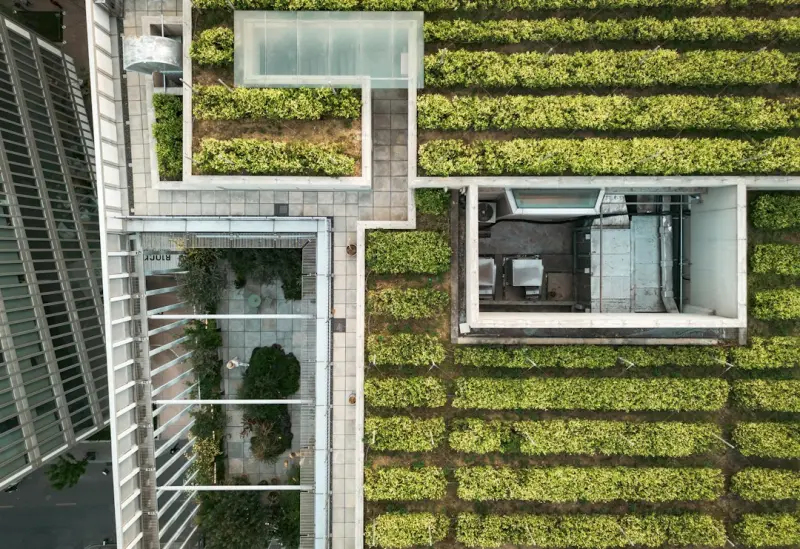
The Sky’s the Limit: How Rooftop Farms Are Redefining Canadian Cities
When you look up at the skyline of Toronto, Vancouver, or Halifax, you probably see a patchwork of glass towers, brick façades, and the occasional billboard. What you might not notice, unless you’re strolling a few blocks behind a skyscraper, is a quiet green revolution sprouting above the bustling streets. Rooftop farms—sometimes called “sky farms,” “urban orchards,” or simply “green rooftops”—are turning the under‑used crowns of our city buildings into thriving ecosystems that feed people, clean the air, and stitch communities together.
It’s a movement that feels both inevitable and surprising. I’ve watched a modest lettuce patch on the roof of a co‑working space in downtown Winnipeg grow into a full‑scale micro‑farm that supplies a neighborhood café. I’ve chatted with a group of university students in Montreal who, after a semester of environmental studies, convinced their dormitory to install a hydroponic garden that now produces herbs for the campus kitchen. And I’ve stood on a balcony in Calgary, sipping a cold brew while a hummingbird flitted among tomato vines perched just ten stories up. These moments are more than Instagram‑worthy snapshots; they’re evidence of a cultural shift toward reclaiming the vertical space that has long been ignored.
Why Rooftops? The Sweet Spot Between Land Scarcity and Climate Action
Canada’s urban centers are growing faster than the surrounding farmland can keep up with. According to the latest municipal reports, cities like Toronto and Vancouver are projected to add hundreds of thousands of residents in the next decade. The conventional answer—expand outward—clashes with the realities of climate change, transportation emissions, and the preservation of natural habitats. Rooftops present a unique compromise: they’re already there, they’re underutilized, and they sit right where people live and work.
From an environmental perspective, green roofs do three things exceptionally well:
- Carbon Capture: Plants absorb CO₂ as they grow, turning a portion of the city’s carbon footprint into biomass.
- Stormwater Management: Soil and vegetation soak up rain, reducing runoff that can overwhelm municipal sewers.
- Urban Heat Island Mitigation: Vegetated surfaces reflect sunlight and release moisture, cooling the surrounding air and lowering energy demand for air‑conditioning.
Beyond the ecological benefits, there’s a social layer that’s often overlooked. Rooftop farms become community hubs where residents gather for workshops, harvest festivals, and even pop‑up markets. They provide fresh, locally grown produce to neighborhoods that might otherwise rely on food miles that stretch across the country. In a nation that prides itself on both natural beauty and multiculturalism, these gardens are a literal meeting point for diverse traditions and flavors.
From Hobby to Enterprise: The Business Case for Sky Farming
What started as a hobby for a handful of eco‑enthusiasts has now attracted serious investors, architects, and policy makers. The economics of rooftop farming can be broken down into three core pillars:
- Reduced Real Estate Costs: Vertical farms use significantly less land than conventional agriculture. By stacking growing layers, a 5,000‑square‑foot rooftop can produce the same yield as a 15,000‑square‑foot ground plot.
- Premium Pricing: Consumers are willing to pay more for produce that’s hyper‑local, pesticide‑free, and tied to a tangible story. Restaurants that source herbs from the roof above their kitchen often market this narrative, driving higher ticket prices.
- Energy Synergies: Many rooftop farms pair with solar panels, creating a closed loop where the electricity generated powers irrigation pumps and LED grow lights, while the vegetation helps keep the panels cooler and more efficient.
Take the Zero‑Waste Pop‑Up Kitchens movement as a parallel. Chefs are using surplus produce to craft menu items that minimize waste, and rooftop farms feed directly into that model, providing a steady stream of “seconds” that would otherwise be discarded. The synergy between on‑site farming and zero‑waste culinary practices is creating a feedback loop that benefits both the bottom line and the planet.
Designing for Success: The Technical Blueprint
Anyone thinking of turning a flat roof into a farm quickly discovers that it’s not just about shoving soil and seeds onto a concrete slab. Successful rooftop farms require thoughtful design that balances structural integrity, water management, and plant health. Here are the key components:
- Structural Assessment: Engineers must verify that the building can support the additional weight of soil, water, and plant material—often ranging from 20 to 30 pounds per square foot.
- Waterproof Membrane: A high‑quality membrane prevents leaks, protecting the building’s interior while allowing for controlled irrigation.
- Lightweight Growing Media: Rather than traditional soil, most rooftop farms use a blend of compost, peat moss, perlite, and other lightweight aggregates to reduce load.
- Irrigation Systems: Drip or micro‑sprinkler systems, often automated with moisture sensors, ensure plants receive precise amounts of water, conserving a precious resource.
- Plant Selection: Choose crops that thrive in the local climate and can handle wind exposure. Leafy greens, herbs, strawberries, and dwarf fruit trees are popular choices.
Architects are increasingly incorporating these considerations into new construction projects. In fact, municipal guidelines in cities like Vancouver now offer fast‑track permits for “green roof” proposals, recognizing their contribution to municipal sustainability goals.
Community Building on the Edge: Programs That Turn Residents into Growers
One of the most rewarding aspects of rooftop farming is the sense of ownership it creates among residents. In Calgary’s Beltline district, a community‑run rooftop garden hosts weekly “Harvest Hours,” where anyone can pick a bundle of kale for free. The garden also offers paid workshops on composting, seed saving, and hydroponic basics. Participants often say the experience deepens their connection to the city—something that’s hard to achieve when you’re just a commuter.
Similarly, the Seaweed Superpowers project recently partnered with a rooftop farm in Halifax to experiment with coastal‑inspired hydroponics, growing kelp alongside lettuce. The initiative sparked a series of community talks about marine ecosystems and local food sovereignty, bridging the gap between oceanic and urban sustainability.
Policy Landscape: Incentives and Regulations
The Canadian government has begun to recognize the strategic value of green roofs. Federal and provincial programs now offer grants, tax credits, and low‑interest loans to developers who incorporate rooftop agriculture into their projects. For example, Ontario’s “Green Roof Grant” provides up to 30 % of eligible costs for municipal buildings that meet specific environmental criteria.
However, regulatory hurdles still exist. Zoning bylaws can sometimes restrict the type of structures that can be erected on rooftops, and insurance policies may not cover the unique risks associated with farming at height. Advocacy groups are lobbying for clearer standards that align with the growing demand for urban agriculture.
Future Horizons: Integrating Tech and Tradition
While the current wave of rooftop farms relies heavily on low‑tech solutions—soil mixes, manual watering, and community labor—the next generation is set to become more data‑driven. Sensors that monitor temperature, humidity, and nutrient levels can be linked to AI platforms that adjust irrigation schedules in real time. Imagine a rooftop garden that knows exactly when to mist its basil leaves because a weather forecast predicts an unexpected heat spike.
At the same time, there’s a resurgence of traditional Indigenous planting knowledge that is finding its way onto city skylines. Indigenous horticulturalists are teaching the principles of “Three Sisters” (corn, beans, squash) cultivation in rooftop settings, honoring ancestral practices while feeding modern urban populations.
Getting Started: A Step‑by‑Step Guide for Building Your Own Rooftop Oasis
Feeling inspired? Here’s a practical roadmap to help you transform a vacant roof into a thriving garden:
- Assess the Space: Work with a structural engineer to confirm load capacity and identify any necessary reinforcements.
- Secure Permits: Consult local building codes and apply for any green‑roof incentives or fast‑track permits.
- Design the Layout: Sketch a planting plan that maximizes sunlight exposure and includes walkways for maintenance.
- Select Growing Media: Choose a lightweight, well‑draining substrate tailored to your chosen crops.
- Install Irrigation: Set up a drip system with moisture sensors; connect it to a rainwater harvesting tank if possible.
- Plant and Nurture: Start with hardy greens and herbs, then gradually add more demanding crops as you gain confidence.
- Engage the Community: Host open days, volunteer opportunities, and cooking demos to build a loyal user base.
- Monitor and Optimize: Use simple data loggers to track growth patterns and refine your practices over time.
Remember, a rooftop farm isn’t just a garden; it’s a living laboratory, a community kitchen, and a statement about what kind of city you want to live in. The sky, literally, is the limit.
Conclusion: A Greener Skyline for All Canadians
From the high‑rise condos of Toronto to the historic lofts of Halifax, rooftop farms are weaving a new layer into the Canadian urban fabric. They bring fresh produce to city dwellers, cut emissions, and create spaces where neighbors can gather over a shared love of soil and seed. As more developers, policymakers, and citizens recognize the multifaceted benefits, we’ll see a cascade of green rooftops dotting our skylines, each one a small but powerful reminder that sustainable living can rise above the noise of the streets below.
If you’re a city planner, a building owner, or simply a curious resident, now is the moment to look up and ask: “What can we grow here?” The answer could be lettuce, herbs, berries, or even a community of ideas that will nourish the next generation of Canadian cities.

Related Posts
Powering Canadian Homes: How Renewable Tech is Redefining Everyday Life
A deep dive into the latest home energy innovations sweeping Canada, from winter‑ready solar panel... Read More
Neighborhood Microgrids: Powering Canadian Communities From the Ground Up
Microgrids are emerging as a game‑changer for Canadian neighborhoods, offering reliable, clean pow... Read More
Why Canada’s Repair Cafés Are Reviving Community Spirit
Repair cafés are popping up from Vancouver to Halifax, offering free fixes, skill sharing, and comm... Read More
Top Posts

Rethinking the Cost of Living in a Remote‑First World
Remote work reshapes traditional cost‑of‑living calculations. This guide uncovers hidden expenses, offers a dashboard for tracking, and provides practical t...Read More

The Front Porch Renaissance: Turning Canadian Porches into Community and Climate Assets
Canadian front porches are being reimagined as multi‑functional hubs that foster community interaction, support sustainable living, and even spark micro‑ent...Read More

Navigating the Canadian Auto Insurance Market: Broker vs. Direct Insurance
In Canada, auto insurance is a mandatory requirement for all drivers. The Canadian auto insurance market is complex and diverse, with various options available ...Read More

Fermented Power: Redefining Everyday Nutrition with Gut‑Friendly Foods
A fresh look at nutrition that blends gut‑friendly fermented foods, seasonal produce, and data‑driven insights, offering practical steps for busy profession...Read More
0 Comments
Post Comment
You will need to Login or Register to comment on this post!