
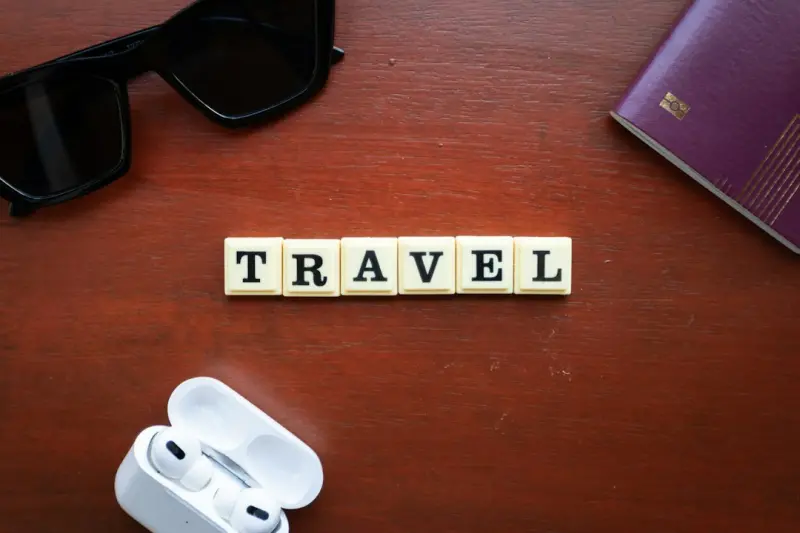
The Rise of Travel NFTs: How Tokenized Experiences Are Redefining Tourism
When I first heard the term “NFT” whispered in a bustling airport lounge, I pictured a digital art collector clutching a pixelated postcard. Fast forward a few months, and I’ve been invited to a private beach party in Bali simply because I owned a travel‑focused token. The convergence of blockchain technology and the wanderlust economy is no longer a niche experiment—it’s becoming a mainstream catalyst for how we discover, book, and remember places.
Why NFTs Matter to Travelers (Beyond the Hype)
Non‑fungible tokens, or NFTs, are unique digital assets recorded on a blockchain. Unlike cryptocurrencies, each token carries distinct metadata that can represent ownership, rights, or privileges. In travel, that means an NFT can be a ticket to an exclusive sunrise hike, a membership to a community of eco‑conscious explorers, or even a share of revenue from a boutique hotel’s sustainability fund. The value proposition is threefold:
- Authenticity: Immutable proof of purchase eliminates counterfeit tickets and scalpers.
- Experiential Access: Tokens unlock experiences that traditional bookings can’t, such as behind‑the‑scenes tours or limited‑edition culinary events.
- Community Ownership: Holders become stakeholders in the destination’s future, fostering a sense of stewardship.
From Souvenirs to Stakeholder Tokens
Historically, souvenirs were tangible reminders of a trip—a postcard, a magnet, a local craft. Today, travelers are craving digital memorabilia that also delivers functional benefits. A tokenized souvenir might grant a 10% discount on your next stay in the same city, or grant you early‑bird access to a seasonal festival. This shift from passive keepsakes to active participation is reshaping the economics of tourism.
Building Trust Through Micro‑Communities
One of the most compelling use‑cases for travel NFTs is the creation of micro‑communities. These are tight‑knit groups of like‑minded explorers who share a token that signifies membership. Think of a “Sahara Stargazers” cohort that receives a limited edition NFT granting access to a private desert camp, a nightly astronomy talk, and a share of the camp’s carbon‑offset investments.
Micro‑communities solve two major pain points:
- Information Overload: Travelers no longer have to sift through endless reviews. Community members curate experiences, providing vetted recommendations.
- Trust Deficit: In a world of fake reviews and inflated prices, token ownership serves as a transparent, blockchain‑verified endorsement.
By aligning travel brands with these micro‑communities, the industry can tap into a trust economy that rewards authenticity and long‑term engagement.
Co‑Living Meets Travel: A Token‑Powered Hybrid
Another trend reshaping the travel landscape is the rise of co‑living spaces—shared housing models that blend affordability with community. While many associate co‑living with long‑term residents, a new wave of travel‑oriented co‑living is emerging. Imagine a month‑long stay in a curated house in Medellín, where each guest holds an NFT granting them a private workspace, access to local workshops, and a share of the house’s revenue from a rooftop garden.
This model draws heavily from the insights outlined in When Households Share: The Cost‑Living Benefits of Co‑Living Communities. By tokenizing occupancy, hosts can manage bookings, distribute profits, and enforce community guidelines—all without a central intermediary. Travelers benefit from lower costs, authentic local connections, and the ability to own a piece of the experience.
Case Study: The “Alpine Adventure” NFT Trail
To illustrate the potential, let’s dive into a real‑world example. A Swiss startup launched an “Alpine Adventure” NFT series comprising 5,000 unique tokens. Each token includes:
- One‑night stay in a family‑run chalet with a private mountain guide.
- Access to a curated itinerary of lesser‑known hiking trails.
- A digital “badge” that unlocks a future 20% discount on any Swiss resort booking.
- A carbon‑offset contribution tied directly to reforestation projects in the Alps.
Within weeks, 70% of the tokens sold out, and secondary‑market activity spiked as owners traded their badges for flexible dates. The startup reported a 30% increase in repeat bookings, attributing the surge to the sense of ownership and community built around the NFT.
Regenerative Tourism: NFTs as Funding Vehicles
Beyond personal perks, NFTs can serve as a financing tool for sustainable tourism initiatives. Destination managers can issue “Regeneration Tokens” that fund beach clean‑ups, wildlife monitoring, or renewable energy installations. Token holders receive periodic updates, exclusive access to conservation events, and a share of any revenue generated from the project (e.g., eco‑tour fees).
This model aligns perfectly with the growing demand for responsible travel. Travelers no longer need to choose between adventure and impact; the token bridges the gap, providing measurable outcomes and a tangible stake in the destination’s health.
How to Get Started: A Practical Guide for the Modern Explorer
If you’re intrigued but unsure where to begin, follow these steps:
- Set Up a Digital Wallet: Choose a reputable wallet (MetaMask, Trust Wallet) that supports ERC‑721 or similar NFT standards.
- Research Verified Projects: Look for platforms that provide clear tokenomics, transparent roadmaps, and community governance.
- Start Small: Purchase a low‑cost token that offers a modest perk, such as a discounted local tour. Use this as a test run.
- Engage with the Community: Join Discord or Telegram groups linked to the token. Community interaction often unlocks hidden benefits.
- Track Impact: If your token supports sustainability, monitor the reports provided by the project to see real‑world outcomes.
Potential Pitfalls and How to Navigate Them
As with any emerging technology, there are risks:
- Market Volatility: NFTs can fluctuate in value. Treat them as experiential assets rather than pure investments.
- Regulatory Uncertainty: Some jurisdictions may classify certain tokens as securities. Always verify the legal status in your country.
- Scams: The hype can attract fraudulent projects. Stick to platforms with transparent teams and audited smart contracts.
By staying informed and approaching NFTs with a curiosity‑driven mindset, you can mitigate these challenges while enjoying the novel experiences they unlock.
The Future Landscape: Where Travel NFTs Could Lead
Looking ahead, I see several trends converging:
- Dynamic Pricing Tokens: Smart contracts that adjust price based on demand, seasonality, or even real‑time weather conditions.
- Interoperable Badges: Tokens that work across multiple destinations, allowing travelers to build a “passport” of experiences.
- AI‑Curated Itineraries: Integration with AI engines that suggest token‑based experiences tailored to personal preferences.
These innovations will blur the lines between travel, finance, and community building, creating a holistic ecosystem where every trip contributes to a larger narrative.
Conclusion: A New Chapter in Storytelling
Travel has always been about stories—tales of discovery, connection, and transformation. NFTs are the latest medium for writing those stories, offering a blend of exclusivity, ownership, and impact. By embracing tokenized experiences, travelers become co‑creators, not just consumers. Whether you’re a backpacker seeking a hidden waterfall, a digital nomad hunting a co‑living haven, or a luxury traveler craving a private yacht soirée, there’s likely an NFT waiting to turn your dream into a verifiable, shareable reality.

Related Posts

Why Digital Nomad Visas Are the New Gold Rush for Travelers
Digital nomad visas are reshaping tourism by turning remote workers into long‑term contributors. L... Read More
AI-Powered Itineraries: The New Frontier of Travel Planning
AI-powered itineraries blend data and personal preferences to craft seamless, sustainable travel exp... Read More
Beyond Borders: How Digital Nomad Visas Are Redefining Global Work‑Play Balance
Digital nomad visas are transforming travel by allowing remote workers to live and contribute to hos... Read More
Top Posts
Travel Subscriptions: The New Frontier of Curated Adventures
Travel subscriptions turn recurring fees into personalized, flexible getaways. This post examines how membership models deliver curated experiences, transparent...Read More
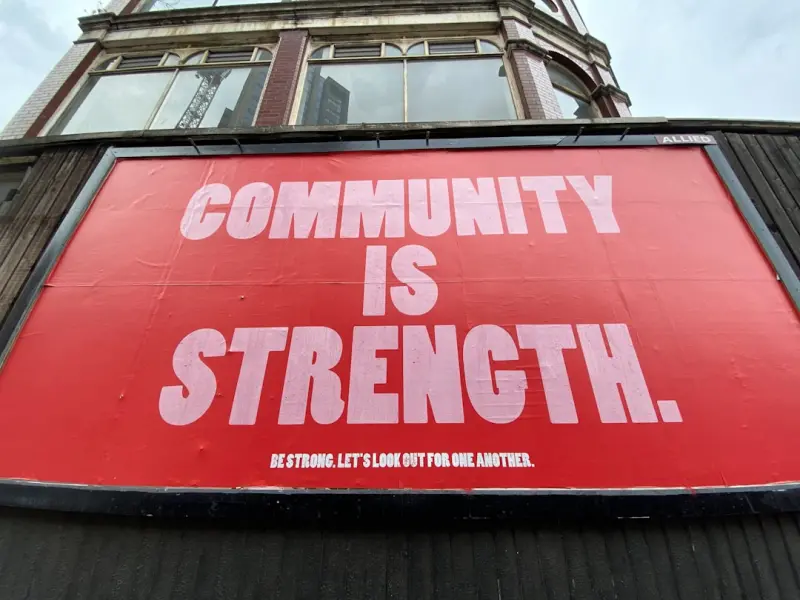
Why Co‑Living Communities Are the Next Big Thing in Canadian Suburbs
Co‑living is redefining suburban life in Canada, offering affordable homes, built‑in community, and greener living. Explore the benefits, challenges, and re...Read More

Heritage Grains: How Ancient Crops Are Transforming Today’s Kitchen
Explore the rise of heritage grains, their health benefits, and how chefs and home cooks are weaving ancient varieties into today’s dishes for flavor, nutriti...Read More

Casting Beyond the Known: Ontario’s Untapped Fishing Havens
A seasoned angler shares personal insights into Ontario’s lesser‑known waters, blending terrain reading, seasonal tactics, gear balance, and conservation to...Read More
0 Comments
Post Comment
You will need to Login or Register to comment on this post!