
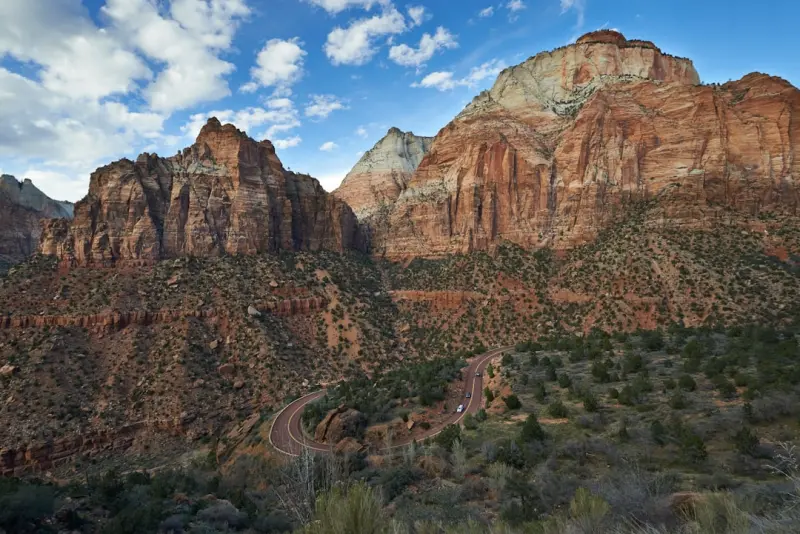
The Landscape of Identity
Across the breadth of Canada, the nation’s parks are more than stretches of protected wilderness; they are cultural corridors where geography meets memory, and where the nation’s collective narrative is inscribed upon hills, rivers, and forests. As each trail winds through ancient spruce and limestone cliffs, it carries with it echoes of seasonal migrations, oral histories, and the quiet perseverance of those who have walked these lands for millennia, turning geography into a living museum of identity that continuously shapes how Canadians understand themselves. By recognizing parks as arteries of shared experience, we begin to see that national cohesion is not forged in legislative chambers alone, but in the shared breath taken atop a mountain ridge or beside a glacial lake.
Echoes of the First Nations
The stories embedded in the parks pre‑date the confederation and are rooted in the traditions of First Nations peoples who have long regarded these territories as sacred teaching grounds; their legends are mapped onto the very terrain, turning stone cairns into mnemonic devices and river bends into verses of creation. When visitors pause at a designated interpretive site, they are invited to listen to the drumbeat of ancient songlines that have guided hunters, healers, and storytellers, offering a profound reminder that the nation’s cultural fabric is woven from many distinct threads that converge in the wilderness. This recognition invites a re‑examination of national identity, one that honors the layered histories that coexist within a single vista.
Trails as Narrative Pathways
Each footpath, from the rugged alpine routes of the Rockies to the gentle boardwalks of coastal wetlands, functions as a narrative pathway, a deliberate line that guides explorers through a curated sequence of scenes, each designed to provoke reflection on place and purpose. The layout of these trails often mirrors traditional travel routes, subtly echoing ancient seasonal migrations and trade pathways, thereby allowing modern hikers to physically reenact journeys that have shaped cultural exchange for centuries. In this way, the very act of walking becomes a form of storytelling, an embodied experience that links present‑day visitors with the lived experiences of those who traversed the same ground long before them.
Interpretive Programs that Shape Belonging
Park rangers and cultural interpreters act as contemporary storytellers, curating programs that blend scientific insight with artistic expression to foster a sense of belonging among diverse visitors. Through guided walks, seasonal festivals, and collaborative art installations, these programs translate complex ecological processes into relatable narratives, allowing guests to see themselves as participants in a larger ecological and cultural saga. When a visitor learns how a fire regime sustains a pine ecosystem, they simultaneously absorb a lesson about resilience that resonates with broader national values of perseverance and renewal.
Economic Ripples of Cultural Exchange
The infusion of cultural storytelling into park experiences generates economic ripples that extend far beyond ticket sales, encouraging local artisans, storytellers, and food producers to engage with travelers seeking authentic immersion. Small‑scale enterprises, such as Indigenous craft cooperatives and regional culinary pop‑ups, find natural platforms within park borders, turning the wilderness into a marketplace of ideas where cultural products are exchanged alongside natural wonders. This symbiotic relationship amplifies the notion that protecting landscapes also protects the livelihoods and creative expressions that depend upon them.
Balancing Preservation and Access
Yet the surge in visitor interest presents a paradox: how to safeguard fragile ecosystems while granting the public the opportunity to experience these cultural corridors firsthand. Climate pressures, invasive species, and over‑use of popular sites threaten the delicate balance that allows both nature and narrative to thrive, prompting park authorities to adopt adaptive management strategies that prioritize long‑term health over short‑term visitor volume. The challenge lies in crafting policies that honor the land’s intrinsic value while acknowledging that public connection to these spaces fuels the very advocacy needed for their protection.
Collaborative Creativity with Indigenous Artists
Increasingly, park administrations are forging partnerships with Indigenous artists and knowledge‑keepers, co‑creating installations that embed language, symbolism, and ceremony directly into the landscape. These collaborations produce immersive experiences where visitors might follow a bronze totem trail that tells the story of a river’s spirit, or listen to a recorded chant as they cross a historic crossing point, turning passive observation into active participation. Such initiatives not only enrich the visitor experience but also affirm the rightful place of Indigenous voices in shaping the national story told by these protected lands.
Digital Storytelling and Learning on the Move
Technology is extending the reach of park narratives beyond physical boundaries, with augmented‑reality apps and geotagged audio guides that allow users to explore layered stories at their own pace, turning each hike into a personalized classroom. For travelers who crave both adventure and education, these tools bridge the gap between outdoor exploration and intellectual curiosity, much like the concept explored in learning on the move, where movement itself becomes a conduit for knowledge. By integrating digital platforms with the tactile experience of the trail, parks become dynamic classrooms that nurture a deeper appreciation for Canada’s shared heritage.
Invitation to Engage
The future of Canada’s national identity may well be written in the footsteps of those who wander its parks, each imprint a silent contribution to a living story that continues to evolve. Readers are encouraged to step beyond the confines of urban life, to support park conservation initiatives, and to engage respectfully with the cultural narratives that reside within every glade and gorge. In doing so, each of us becomes a steward of the cultural corridors that bind us, ensuring that the landscapes that define our nation also sustain the stories that define us.

Related Posts
The Heart of Rural Communities: A Journey Through Local Flavors and Struggles
Rural communities are the backbone of any country, providing a unique blend of tradition, culture, a... Read More

Canada vs USA Over Tariffs A Closer Look
In recent years, the trade relationship between Canada and the USA has been under strain due to the ... Read More

Canada’s Library Revival: Community Hubs Redefine Civic Life
Public libraries across Canada are shedding their quiet, book‑only image, evolving into bustling c... Read More
Top Posts

The SaaS Legal Playbook: Preparing for the Next Wave of Regulation
A forward‑thinking legal framework can turn compliance into a competitive advantage for SaaS companies. This guide outlines five essential pillars—corporate...Read More

Why Restaurants Are Turning Dining Into an Immersive, Data‑Powered Adventure
Explore the new era of dining where immersive atmospheres, personalized loyalty, and pop‑up kitchens combine to turn every restaurant visit into a memorable e...Read More

Smoked Cocktails at Home: A Guide to Crafting Aromatic Drinks
Discover the art of smoked cocktails—choose the right wood, master safety, craft infused spirits, and serve with style for a memorable home bar experience....Read More

From Prescription Pads to Pocket Apps: The Rise of Digital Therapeutics in Canada
Digital therapeutics—prescription‑grade health apps—are moving from novelty to standard care in Canada, offering personalized treatment, reducing hospital...Read More
0 Comments
Post Comment
You will need to Login or Register to comment on this post!