
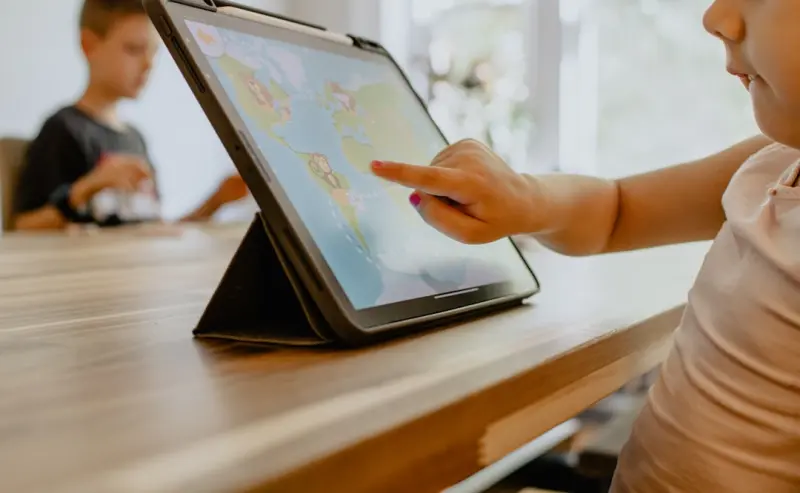
Microlearning on the Move: Why It Matters
Imagine stepping onto a deck that feels more like a co‑working hub than a vacation lounge, where every sunrise brings a new bite‑size lesson on everything from data visualization to sustainable cooking, all while the horizon shifts beneath you; this is the emerging reality of microlearning on the move, a trend that blends the curiosity of travel with the efficiency of focused skill‑building, and it’s reshaping how nomadic professionals think about downtime. I first encountered this concept during a week‑long cruise that offered a series of 45‑minute workshops on ethical storytelling, and the experience was a revelation: the sea’s gentle rhythm created a low‑stress environment that amplified retention, while the rotating crew of instructors kept the content fresh and unexpected. As someone who has spent countless hours hunting for the perfect balance between work, wanderlust, and personal growth, I can attest that these portable classrooms turn idle hours into productive power‑sessions, making every mile traveled count toward both a richer résumé and a deeper sense of fulfillment.
Designing the Perfect On‑Board Classroom
The architecture of on‑board learning is deliberately bite‑sized, with each module designed to fit within a typical travel window—whether that’s a lunch break, a sunset cocktail hour, or a quiet moment between ports—so that participants can engage without feeling overwhelmed; creators of these programs prioritize interactive formats, such as live coding sprints, hands‑on culinary demos, and rapid‑fire design challenges, ensuring that the energy stays high and the knowledge sticks. In practice, a cruise line might allocate a sun‑filled lounge for a “pop‑up kitchen workshop” where a local chef demonstrates zero‑waste plating techniques, then invites passengers to recreate the dish in a compact galley, blending theory with tactile practice; this approach mirrors the success of pop‑up dining trends discussed in pop‑up kitchen workshops, proving that culinary education thrives in transient settings. The key is flexibility: curricula are modular, instructors rotate frequently, and feedback loops are built into each session, allowing travelers to customize their learning path based on interest, skill level, and the unique cultural backdrop of each stop.
Bus Tours as Mobile Learning Labs
While ocean liners offer spacious decks and endless horizons, long‑distance bus tours bring the intimacy of a classroom directly into the heart of a community, stopping at artisan workshops, historic sites, and eco‑centers where experts share knowledge in real time; the rolling nature of these tours means that learning is constantly contextualized by the surrounding landscape, turning a simple route into a narrative‑driven syllabus. For example, a week‑long heritage bus circuit through the Maritimes might include a morning session on maritime navigation using traditional sextants, followed by an afternoon hands‑on pottery class at a coastal studio, each stop reinforcing the previous lesson through sensory immersion; such experiences echo the principles of sensory‑focused learning, where sight, touch, and sound become integral to comprehension. The advantage of bus‑based microlearning lies in its ability to weave together local expertise with traveler curiosity, creating a dynamic feedback loop that benefits both the community—by spotlighting its crafts—and the passenger, who walks away with tangible skills and stories to share.
Choosing the Right Educational Voyage
Not every cruise or bus itinerary advertises microlearning, so the discerning traveler must become a savvy evaluator, looking for clear schedules, qualified instructors, and a curriculum that aligns with personal growth goals; start by scanning the program brochure for session lengths, topics, and any prerequisites, then cross‑reference reviews to gauge the depth and relevance of the content, remembering that a well‑curated lineup will often blend hard skills with soft‑skill enrichment like mindfulness or cross‑cultural communication. It’s also wise to verify the technological infrastructure—stable Wi‑Fi, charging stations, and adaptable workspaces—because even the most compelling syllabus can falter without the basic tools needed for note‑taking and digital collaboration. Finally, consider the post‑trip support: many providers now offer digital resource libraries, alumni networks, and follow‑up webinars that extend the learning beyond the journey, turning a weekend of workshops into a sustained development pathway that continues to pay dividends long after the wheels stop turning.
Career Acceleration on the Road
When you combine the novelty of travel with targeted skill acquisition, the resulting resume boost is both tangible and compelling; recruiters increasingly value candidates who demonstrate adaptability, continuous learning, and the ability to thrive in diverse environments, all of which are hallmarks of the microlearning travel model, and a certificate from a reputable cruise‑based coding bootcamp or a bus‑tour‑led sustainable design workshop can serve as a conversation starter that sets you apart in a crowded job market. Moreover, the networking opportunities are unparalleled: shared learning spaces foster organic connections among professionals from varied industries, creating a fertile ground for collaborations, mentorships, and even future joint ventures that might never have formed in a traditional office setting. From my own experience, a brief data‑analytics session on a Caribbean ferry led to a partnership with a fellow traveler who now runs a boutique consultancy, illustrating how the blend of travel intrigue and skill development can catalyze both personal and professional growth in ways that static, desk‑bound training rarely achieves.
Overcoming Logistical Hurdles
Despite the allure, integrating education into itineraries does pose practical challenges, such as limited bandwidth for livestreams, cramped workshop spaces, and the need to accommodate varying skill levels without diluting content quality; successful operators address these obstacles by employing hybrid delivery models that combine asynchronous video modules with live, interactive segments, ensuring that participants can review material at their own pace before engaging in collaborative exercises during the voyage. Physical constraints are mitigated through clever use of multipurpose areas—transforming a ship’s lounge into a pop‑up studio or repurposing a bus’s lounge area with portable whiteboards and modular seating—while facilitators are trained to adapt lesson plans on the fly, offering tiered breakout groups that cater to beginners, intermediate learners, and advanced practitioners alike. By anticipating these friction points and designing flexible, resilient curricula, providers turn potential drawbacks into opportunities for innovation, reinforcing the notion that learning can thrive even in the most unconventional settings.
The Future: AI‑Assisted Learning on the High Seas and Highways
Looking ahead, artificial intelligence is poised to elevate microlearning on cruises and bus tours to unprecedented levels, delivering personalized learning pathways that adjust in real time based on a traveler’s progress, preferences, and even biometric feedback; imagine an AI‑driven tutor that monitors your engagement during a marine‑biology talk and suggests supplementary VR simulations of coral reefs when it detects a dip in attention, or a chatbot that curates a post‑trip project plan tailored to the skills you honed during a sustainable‑fashion workshop. These intelligent systems can also streamline logistics, automatically scheduling sessions around weather delays or port changes, and providing instant translations for multilingual groups, thereby enhancing accessibility and inclusivity across diverse passenger demographics. As the technology matures, we can expect a seamless blend of human expertise and machine personalization, creating learning ecosystems that are as fluid and adaptable as the waters and roads that carry us, ultimately redefining what it means to grow professionally while the world passes by.
My Personal Call to Adventure
Having navigated both the serene decks of a learning‑focused cruise and the bustling aisles of an educational bus tour, I can say with confidence that the fusion of travel and microlearning is not just a fleeting trend but a transformative approach to lifelong development; each session I attended left me with a fresh skill set, a new connection, and an enriched perspective that I carry into my daily work, proving that the best education doesn’t happen behind a closed door but amidst the ever‑changing backdrop of the world. If you’re yearning for a passport that stamps more than just geography—one that records competencies, collaborations, and cultural insights—consider booking a voyage that advertises concise, hands‑on workshops, and be prepared to return home not only with souvenirs but with a portfolio of tangible achievements. The seas and highways are calling, and they’re ready to become your next classroom.

Related Posts

Sailing and Rolling Green: The Rise of Eco‑Friendly Cruises and Bus Tours
From solar‑powered ships to electric coaches, discover the new wave of sustainable cruises and bus... Read More
The Storytelling Revolution: How Cruises and Bus Tours Are Turning Travel Into a Live Narrative
Travelers now crave immersive narratives, and cruise lines and bus operators are answering with stor... Read More
Why City Cruises Should Be Your Next Adventure
Are you yearning for a unique perspective, a fresh breeze, and a memory that will last a lifetime? F... Read More
Top Posts
The Flavors of the Land: Exploring the Intersection of Food, Culture, and Canadian Identity
Canadian cuisine reflects the nation's cultural heritage. Explore the intersection of food, culture, and identity, and learn how to support local agriculture an...Read More

Seasonal Foraging Meets Fermentation: A Fresh Take on Everyday Nutrition
Learn to combine the natural rhythms of seasonal foraging with the probiotic power of fermentation, creating a sustainable, nutrient‑dense diet that benefits ...Read More

The Subscription Economy: How to Tame Recurring Costs and Boost Your Wallet
A deep dive into how recurring subscription services silently inflate household expenses and a step‑by‑step guide to audit, replace, and automate them for l...Read More

Cultivating Connection: Canada’s Community Garden Renaissance
Canada’s community gardens are thriving, turning vacant lots into vibrant hubs of food, culture, and connection—discover the movement shaping our nation....Read More
0 Comments
Post Comment
You will need to Login or Register to comment on this post!