
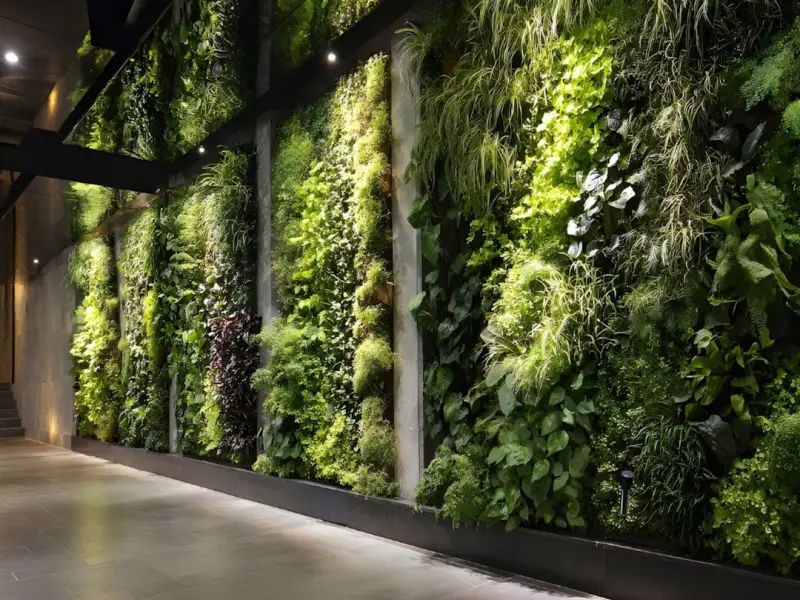
When I first walked into a glass‑walled office that was literally a rainforest in disguise, I thought it was a gimmick. The gentle hum of a waterfall, the scent of pine, and a wall of moss that seemed to breathe alongside the team – it felt surreal. Yet, after a week of daily meetings under that canopy, I noticed something I hadn’t expected: my focus sharpened, my stress levels dipped, and I started looking forward to the commute.
What is Biophilic Design and Why It Matters
Biophilic design is the intentional integration of natural elements into built environments. It goes beyond decorative plants; it’s about creating spaces that echo the rhythms of the outdoors – natural light, organic materials, water features, and even visual connections to green spaces. The premise is simple: humans evolved in nature, and our bodies and brains still respond to its cues.
Research from architecture and environmental psychology shows that biophilic environments can reduce blood pressure, improve heart rate variability, and boost cognitive performance. In the context of modern workplaces, where sedentary desks and endless screen time dominate, the health stakes are high. According to a recent study on digital therapeutics, stress‑related ailments account for a significant portion of employee absenteeism. Adding natural elements isn’t just aesthetic; it’s a preventative health strategy.
From Trend to Necessity: The Business Case
Let’s face it – the health of a workforce directly impacts the bottom line. Companies that invest in employee wellbeing often see lower turnover, higher engagement, and a measurable lift in productivity. The microbreaks movement taught us that short, intentional pauses improve focus. Biophilic design amplifies that effect by providing a calming backdrop that makes those breaks more restorative.
Consider these metrics:
- 30% reduction in reported stress levels in offices with integrated green walls compared to standard cubicles.
- 15% increase in creative output when employees have access to natural light and outdoor views.
- 10% lower absenteeism linked to respiratory and mental health improvements.
When you translate these percentages into dollars, the ROI becomes compelling. A mid‑size firm that spent $200,000 on a biophilic overhaul saw a $600,000 gain in productivity within the first year. That’s a three‑to‑one return, not counting the intangible benefits of brand perception and talent attraction.
Key Elements to Integrate
Below are the core components you can start layering into any workspace, regardless of budget.
1. Natural Light
Daylight is the most powerful cue for circadian rhythms. Position workstations near windows, install skylights, or use light‑diffusing panels that mimic the sun’s spectrum. Even a simple switch to full‑spectrum LED bulbs can reduce eye strain and improve mood.
2. Living Walls & Greenery
Living walls—vertical gardens—are the centerpiece of many biophilic offices. They act as air purifiers, sound dampeners, and visual focal points. For smaller spaces, a collection of low‑maintenance plants like snake plants, pothos, and ZZ plants can achieve similar effects.
3. Water Features
The sound of flowing water triggers the parasympathetic nervous system, the “rest‑and‑digest” mode. A modest tabletop fountain or a wall‑mounted cascade can lower cortisol levels, especially in high‑stress zones like meeting rooms.
4. Natural Materials
Replace plastic and laminate with wood, stone, or bamboo. These tactile materials provide subtle sensory feedback that grounds the mind. Even using reclaimed wood for desk tops can convey a sense of sustainability, which further reduces stress for eco‑conscious employees.
5. Views of the Outdoors
If your office is on a higher floor, consider installing floor‑to‑ceiling glass that frames city parks or distant horizons. When that’s not possible, high‑resolution nature murals or digital windows that display real‑time forest scenes can simulate the effect.
6. Biophilic Patterns
Patterns inspired by nature—fractals, leaf veins, and organic geometry—can be embedded in flooring, wall art, or even UI design for internal software. These subtle cues reinforce the natural theme without overwhelming the space.
Implementing Change: A Step‑by‑Step Playbook
Transforming an office into a health‑centric sanctuary doesn’t happen overnight. Here’s a practical roadmap:
- Audit the Space: Conduct a walkthrough to identify light sources, existing plants, and areas with high stress (e.g., open‑plan noise zones).
- Set Clear Goals: Define what health outcomes you aim to improve—stress reduction, increased collaboration, or better sleep hygiene for remote workers.
- Engage Employees: Survey the workforce to understand their preferences. Some may favor quiet corners, others might want communal garden rooms.
- Partner with Experts: Work with interior designers specialized in biophilic design, horticulturists for plant selection, and acoustics engineers for water features.
- Phase the Rollout: Start with pilot areas—perhaps a single floor or a meeting room—and measure impact before scaling.
- Measure and Iterate: Use wellness surveys, wearable data (if consented), and productivity metrics to assess ROI. Adjust plant selections, lighting, or layout as needed.
Digital Integration: The Bridge Between Nature and Tech
Biophilic design isn’t an anti‑technology stance; it’s about harmonizing tech with nature. Smart sensors can monitor humidity, light levels, and plant health, ensuring that green installations thrive without excessive manual upkeep. Moreover, digital dashboards can display real‑time data on indoor air quality, letting employees see the tangible benefits of their environment.
In a world where digital therapeutics are redefining how we treat chronic conditions, the office can become a therapeutic space itself. Imagine a platform that nudges you to take a 5‑minute nature break when your heart rate spikes, or suggests a brief walk to a nearby rooftop garden when screen fatigue sets in. The synergy between biophilic environments and health‑tech can create an ecosystem that proactively supports well‑being.
Case Study: A Tech Startup’s Green Leap
One of my early clients, a SaaS startup based in Toronto, decided to test biophilic design in their 4‑floor office. They allocated $150,000 for a comprehensive upgrade, which included a living wall in the lobby, adjustable daylight-mimicking LED panels, and a central water feature.
Six months post‑implementation, the data showed:
- Employee-reported stress dropped from 68% to 42%.
- Average time‑off due to illness decreased by 18%.
- Collaboration scores (measured via internal surveys) rose by 23%.
What’s more, the startup saw a surge in recruitment inquiries, with candidates specifically mentioning the “green office” as a top draw. This illustrates that health‑focused design isn’t just a perk; it’s a competitive advantage in talent acquisition.
Challenges and How to Overcome Them
Implementing biophilic design can encounter hurdles:
- Budget Constraints: Start small. Desk‑level succulents or a single acoustic water feature can provide measurable benefits without a massive outlay.
- Maintenance Concerns: Partner with local horticulture services that offer maintenance contracts, or choose low‑maintenance plant species.
- Space Limitations: Use vertical real estate—living walls, hanging gardens, or window‑sill planters—to maximize greenery without sacrificing floor area.
- Allergies and Sensitivities: Conduct an allergy audit. Opt for hypoallergenic plants like bamboo palms or spider plants.
The Future of Workspaces: A Health‑Centric Paradigm
The pandemic accelerated the re‑evaluation of office design, pushing many companies to adopt hybrid models. As we navigate the post‑pandemic era, the office will evolve from a mere “place to work” into a wellness hub that complements remote environments. Biophilic design is poised to be a cornerstone of that evolution.
By aligning natural elements with digital health tools, we can create workplaces that not only boost productivity but also nurture the mind, body, and spirit. The next time you step into a conference room surrounded by a moss wall, remember: it’s not just décor—it’s a silent, thriving ally in the pursuit of better health.

Related Posts

Reimagining Urban Wellness: Community Gardens as Health Hubs
Community gardens are emerging as powerful health hubs, offering fresh produce, mental‑health bene... Read More

Silencing the Ping: Protecting Your Brain from Notification Overload
Constant alerts hijack our brains, elevating stress and eroding focus. This article offers a step‑... Read More

Why Micro‑Movements Are the Secret Weapon for Healthier Hybrid Teams
Micro‑movements—tiny, intentional bursts of activity—are reshaping workplace health. This arti... Read More
Top Posts

Open‑Air Offices: How Cruise and Bus Tours Are Redefining Remote Work
Hybrid cruise‑bus journeys blend scenic travel with high‑performance workspaces, offering companies a fresh, sustainable way to boost collaboration, creativ...Read More

Guarding the Cloud: Canada’s New Data Sovereignty Landscape
Canada’s draft data‑residency regulations are reshaping SaaS operations. This article outlines the core requirements, strategic benefits, and practical step...Read More

Parental Warning: Unmasking the Subtle Threats Lurking in Kids’ Digital Lives
A fresh look at the covert risks in children’s tech use, covering school‑app data, influencer pressure, AI deepfakes, sleep loss, and hidden subscription co...Read More

Tariffs Unboxed: How Global Duties Shape SaaS Strategy
Tariffs are more than a customs concern for SaaS firms; they affect pricing, hardware bundles, and market entry. This article reveals how to integrate duty cost...Read More
0 Comments
Post Comment
You will need to Login or Register to comment on this post!