
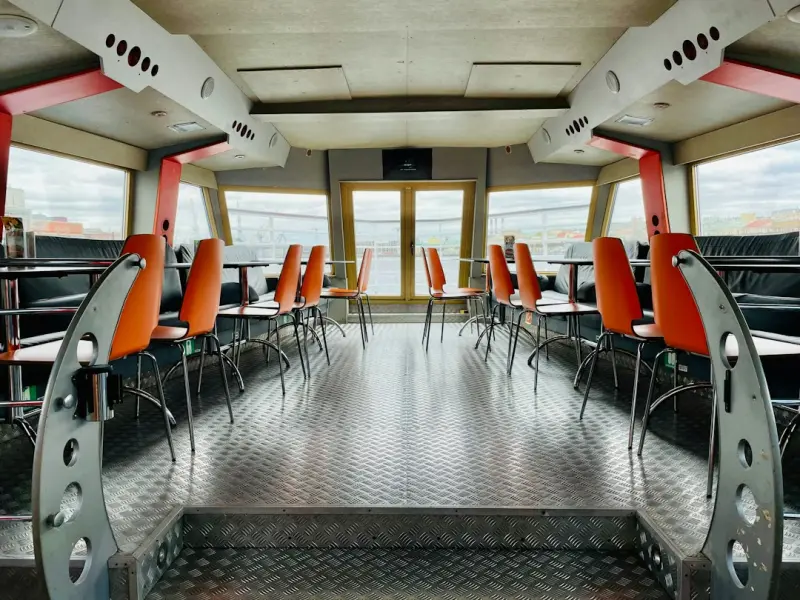
Turning the Open Road and Open Sea into Office Space
When I first boarded a luxury cruise liner as a mobile office, the idea felt like a gimmick straight out of a tech‑startup pitch deck. Fast‑forward a few months, and I’m now coordinating multi‑city client workshops from a state‑of‑the‑art bus that boasts Wi‑Fi speeds rivaling downtown coworking hubs. The convergence of cruising and bus touring is quietly reshaping the way knowledge workers think about “being in the office.”
Why Remote‑First Professionals Are Eyeing Multi‑Modal Travel
Three trends have collided to create a perfect storm for hybrid travel:
- Work‑from‑anywhere fatigue. After months of Zoom calls, the novelty of a static home office wears thin. Professionals crave a change of scenery without sacrificing bandwidth.
- Rising demand for experiential learning. Companies now reward teams that can gather insights on the ground, whether that’s a port city’s supply‑chain hub or a mountain‑side manufacturing plant.
- Advancements in on‑board technology. From satellite internet to IoT‑enabled climate control, the modern vessel is as much a data center as a leisure platform.
When you combine these forces, the result is a travel model that lets you cruise, coach, and collaborate all in a single itinerary.
Designing the Perfect Hybrid Itinerary
Creating a seamless cruise‑bus experience isn’t as simple as booking a cabin and a charter. It requires a strategic blend of logistics, content, and culture.
1. Anchor Points that Matter
Instead of hopping from one generic tourist stop to the next, I map out “anchor points”—locations that align with the team’s objectives. For a fintech client, that might mean a stop in Singapore’s fintech corridor, followed by a bus ride to Jakarta’s burgeoning startup ecosystem. For a sustainability consultancy, the itinerary could feature a carbon‑neutral cruise to Norway’s fjords, then a bus tour of local renewable‑energy farms.
2. Time‑boxed Work Sessions
On the ship, I schedule “deep‑work windows” during sunrise, when the deck is quiet and the internet latency is lowest. On the bus, the rhythm changes: short, high‑energy sprints during daylight, punctuated by collaborative debriefs at rest stops. This rhythm mirrors the Pomodoro technique, but with a scenic twist.
3. Immersive Learning Moments
Every port call becomes a live case study. I partner with local experts to deliver micro‑talks—think micro‑experience sessions that turn a city tour into a real‑time market analysis. The bus doubles as a mobile classroom, equipped with projection screens and interactive whiteboards.
4. Wellness as a Productivity Tool
Travel can be draining, so I embed wellness checkpoints: sunrise yoga on deck, guided meditation in a mountain lodge, and even a brief “digital detox” walk in a coastal town. Studies show that brief nature breaks can boost creative problem‑solving by up to 30%—a statistic I love quoting during sprint reviews.
Technology That Makes It Possible
It’s not enough to have Wi‑Fi; the network must be resilient, secure, and scalable. Here’s the stack I rely on:
- Satellite Mesh Networks. Providers now offer low‑earth‑orbit constellations that deliver sub‑50 ms latency, essential for real‑time data dashboards.
- Zero‑Trust Security Gateways. Each device authenticates via a token, ensuring that corporate data stays encrypted, whether the signal originates from the Atlantic or a rural highway.
- AI‑Driven Bandwidth Allocation. Intelligent routers prioritize video conferencing over streaming, automatically throttling non‑essential traffic during peak call times.
For teams that love culinary experiences, the on‑board kitchen is being transformed by AI‑powered dining. Guests can scan a QR code, input dietary preferences, and receive a menu tailored to both health goals and regional flavors—turning lunch into a data‑rich, personalized event.
Financial Benefits: Turning Travel Costs Into ROI
Critics often point to the headline price of a cruise‑bus combo as a barrier. But when you break down the numbers, the ROI can be compelling:
- Reduced Office Overhead. A month‑long off‑site replaces a permanent coworking lease, saving up to 40% on rent.
- Accelerated Project Timelines. Immersive learning reduces research phases by an average of 2‑3 weeks.
- Employee Retention. Unique experiences increase engagement scores, which correlate with lower turnover costs.
In my own experience, a 10‑day cruise‑bus itinerary for a product launch shaved three weeks off the go‑to‑market plan, translating into a $250K revenue bump.
Environmental Considerations: Sailing Toward a Greener Future
It would be disingenuous to ignore the carbon footprint of large vessels and diesel‑powered buses. That’s why I embed sustainability into every step:
- Carbon Offsetting. Partner with verified programs that plant trees in the regions we visit, ensuring that each passenger’s travel is net‑zero.
- Hybrid Propulsion. Modern cruise lines are adding LNG and battery‑assist systems, cutting emissions by up to 30%.
- Eco‑Friendly Bus Fleets. Choose operators that run electric or hydrogen‑fuelled coaches, especially on short‑haul legs.
These initiatives echo the principles of regenerative tourism, where the goal is not just to reduce harm, but to leave a positive imprint on local ecosystems.
Case Study: The “Nordic Innovation Sprint”
Last quarter, I organized a 12‑day journey for a Scandinavian tech consortium. The itinerary blended a Baltic Sea cruise with a coach tour of Estonia, Latvia, and Lithuania. Highlights included:
- Day 3: Live product demo on deck, streamed to investors in Helsinki.
- Day 5: Hackathon in a Tallinn co‑working hub, powered by the ship’s satellite link.
- Day 8: Bus‑mounted VR experiences that visualized climate‑impact data for local policymakers.
- Day 11: A sustainability workshop aboard the vessel, where participants calculated the trip’s carbon offset needs in real time.
Outcome? The consortium secured €3 M in follow‑on funding and reported a 27% increase in cross‑border collaborations—a direct result of the immersive, multi‑modal environment.
Practical Tips for Planning Your Own Hybrid Voyage
- Define Clear Objectives. Whether it’s market entry, team bonding, or product testing, the goal will dictate ports of call and onboard activities.
- Partner with Specialists. Work with cruise lines that offer “business class” cabins and bus operators experienced in corporate events.
- Test Connectivity Before You Go. Run a bandwidth audit on both the ship and the bus to ensure your critical apps perform.
- Build Flexibility into the Schedule. Weather can alter sea routes; having backup land‑based venues prevents downtime.
- Integrate Data Capture. Use mobile forms, QR‑code surveys, and IoT sensors to collect feedback in real time.
The Future: From One‑Off Trips to a New Business Model
As remote work normalizes, I foresee a rise in “travel‑as‑service” platforms that bundle cruise cabins, bus charters, and digital workspaces into subscription packages. Think of it as a SaaS model for mobility: pay a monthly fee, and you get access to a rotating fleet of vessels, each equipped with the tools you need to stay productive.
This evolution mirrors the shift we’ve seen in software—where products move from static licenses to dynamic, usage‑based models. In the travel sector, the subscription could include perks like carbon‑offset credits, AI‑curated dining menus, and on‑demand expert talks at each port.
Conclusion: Embrace the Open‑Air Office
Hybrid cruise‑bus journeys are more than a novelty; they’re a strategic lever for businesses seeking agility, creativity, and a competitive edge. By thoughtfully blending work, exploration, and sustainability, you transform ordinary travel into a catalyst for growth. So the next time your calendar shows a blank week, consider swapping the office cubicle for a deck chair and a panoramic bus window—you might just discover that the best ideas come with a sea breeze and a mountain view.

Related Posts
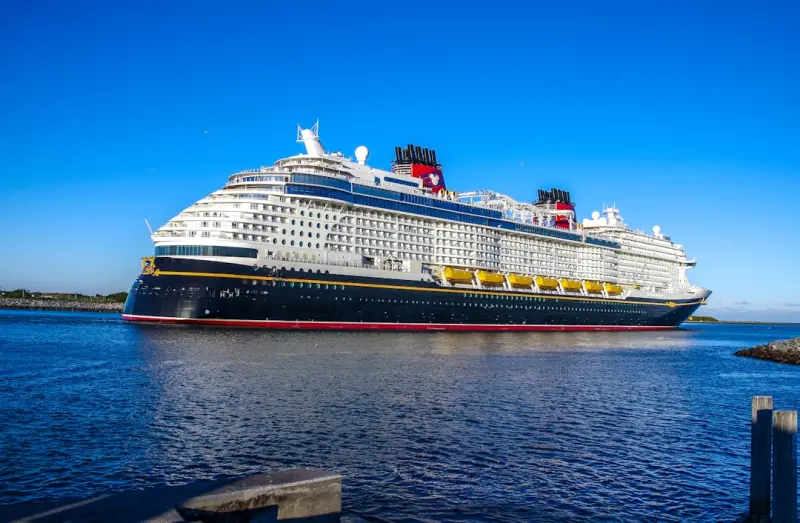
Beyond Sightseeing: Turning Cruise Port Stops and Bus Tours into Story‑Rich Adventures
Learn to turn ordinary cruise shore stops and bus routes into vivid, story‑driven experiences—mi... Read More
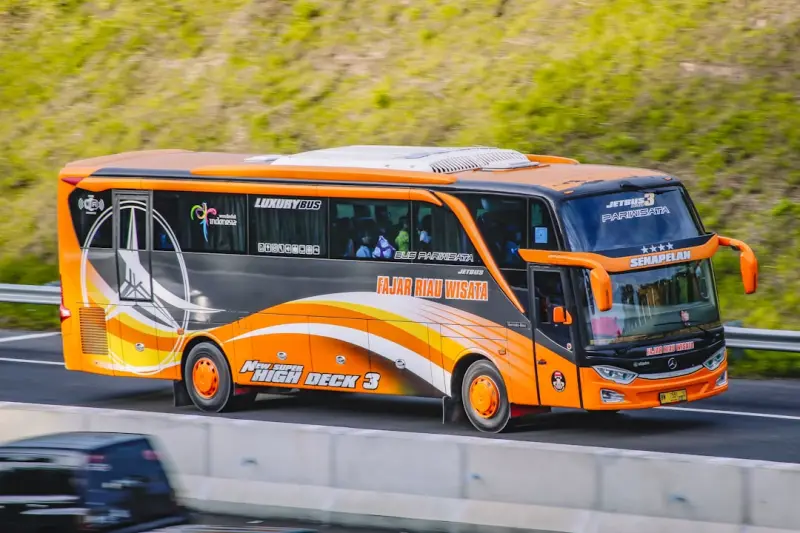
Green Gateways: How Cruise Ports and Bus Terminals Are Blossoming into Community Gardens
Travel terminals are transforming into vibrant community gardens, offering fresh produce, educationa... Read More

Reimagining the Open Road: Data‑Driven Personalization Transforms Cruises & Bus Tours
The travel landscape is shifting as data, sustainability, and immersive storytelling merge, turning ... Read More
Top Posts
Why Ontario Anglers Are Embracing Sustainable Catch‑and‑Release
Ontario anglers are shifting to sustainable catch‑and‑release, improving fish populations, boosting eco‑tourism, and fostering a deeper, mindful connectio...Read More
A National Skills Renaissance: Building Canada’s Future‑Ready Workforce
Canada is on the brink of a National Skills Renaissance, a coordinated effort to upskill workers for AI, green tech, and emerging industries. This post outlines...Read More
How Open Data Is Redefining Canadian Democracy
Open data is turning static government records into dynamic tools for citizens, sparking innovation, accountability, and a new era of Canadian democracy....Read More
Cultivating Tomorrow: How Canadian Farmers Are Harnessing Renewable Energy
Canadian farmers are turning fields into power plants, using solar, wind, and bioenergy to cut costs, enhance resilience, and drive a sustainable agricultural f...Read More
0 Comments
Post Comment
You will need to Login or Register to comment on this post!