
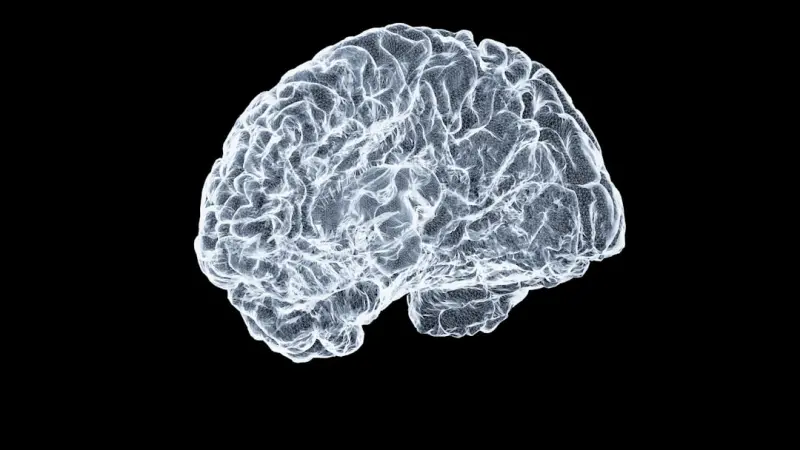
Why Neuromarketing Is No Longer a Fancy Experiment
When I first dipped my toes into the world of brain‑wave tracking, it felt like a sci‑fi novelty—until the data started whispering louder than any focus group ever could. Today, real‑time neural insights are being woven directly into ad platforms, letting marketers pivot campaigns the moment a viewer’s attention flickers away. The result? Brands that can read the subconscious pulse of their audience and respond in seconds, not weeks, are seeing click‑through rates that feel almost magical.
From Lab to Dashboard: The Tools Making It Possible
Modern neuromarketing suites combine lightweight EEG headsets with AI‑driven pattern recognition, delivering heat‑maps of emotional engagement straight to your marketing dashboard. These tools have shed the bulky, clinical vibe of the past, becoming as easy to use as a social‑media scheduler, yet they capture the same depth of insight that once required a university lab. By integrating these signals with existing CRM data, you can segment audiences not just by demographics, but by the very feelings that drive purchase decisions.
Turning Brain Signals Into Creative Gold
Creatives often wrestle with the “what‑works?” mystery; neuromarketing flips the script by showing exactly which colors, sounds, and copy trigger dopamine bursts. Imagine launching a video ad and receiving live feedback that a particular chord progression spikes excitement by 27 %—you can swap it out on the fly, preserving that emotional high. This hyper‑responsive workflow transforms guesswork into a precision art, letting brands craft experiences that feel tailor‑made for each viewer’s neural landscape.
Case Study: A Boutique Fashion Brand’s Leap
Last quarter, a small boutique leveraged neuromarketing data to redesign its Instagram carousel, swapping a muted background for a vibrant hue that sparked a measurable lift in purchase intent. Within days, the brand reported a 38 % surge in add‑to‑cart actions, proving that even modest budgets can reap outsized rewards when brain‑based insights guide visual choices. The key was not just the data, but the willingness to iterate quickly based on what the audience’s mind actually preferred.
Integrating Neuromarketing With Existing Campaigns
For teams already running multi‑channel strategies, the transition can feel daunting, but the process is more about layering than replacing. Start by piloting a single touchpoint—perhaps a landing page headline—while capturing EEG responses from a small user group. Then feed those findings into your A/B testing framework, letting the brain data inform which variant moves forward. Over time, the neural feedback becomes a silent partner in every creative decision.
Ethical Considerations: Walking the Fine Line
With great power comes great responsibility; tapping directly into consumers’ subconscious raises legitimate privacy concerns that cannot be brushed aside. Transparency is essential—clearly disclose when brain data is being collected and give participants control over their information. By adopting ethical guidelines early, brands not only protect themselves from backlash but also build trust with an audience that appreciates honesty.
Scaling Neuromarketing Across Teams
One of the biggest myths is that neuromarketing requires a dedicated neuroscientist on staff; in reality, the technology is designed for marketers who understand the fundamentals of human psychology. Training sessions can demystify the metrics—like “engagement index” or “cognitive load”—and empower copywriters, designers, and media buyers to interpret the signals without a PhD. When the entire team speaks the same neural language, collaboration becomes smoother and results accelerate.
Future Trends: From Passive Listening to Active Interaction
Looking ahead, the next wave will likely involve bidirectional brain‑computer interfaces that not only read signals but also subtly influence them through adaptive content. Think of a shopping experience that dynamically adjusts lighting and music in a physical store based on collective mood, creating a harmonious environment that nudges buying behavior without overt persuasion. While still emerging, this convergence hints at a future where marketing is as fluid and responsive as a conversation.
Practical First Steps for Marketers Ready to Dive In
Begin by identifying a single high‑impact campaign and partner with a reputable neuromarketing provider that offers a sandbox environment for testing. Set clear objectives—whether it’s boosting recall, increasing emotional resonance, or lowering bounce rates—and align them with measurable neural metrics. As you gather data, iterate rapidly, and watch as the brain‑backed insights start to translate into tangible ROI.
Connecting the Dots: Community Insight Meets Neuromarketing
While brain data offers a powerful lens, it shines brightest when paired with genuine community feedback. By blending the authenticity of live studios and user‑generated video with real‑time neural responses, brands can craft narratives that resonate on both conscious and subconscious levels. Similarly, targeting hyper‑niche audiences ensures that the emotional triggers you discover are precisely aligned with the people most likely to convert, creating a synergistic loop of relevance and impact.

Related Posts

The Evolution of Marketing in the Digital Age
The world of marketing has undergone a significant transformation in recent years. As technology con... Read More

Ephemeral Marketing: Turning 24‑Hour Stories Into Lasting Revenue
Learn why 24‑hour stories are the new core strategy, how to measure their impact, and practical st... Read More

Micro‑Communities, AI, and Gamified Experiences: The Next Wave of Marketing Innovation
Explore the rise of micro‑communities, AI‑driven personalization, and gamified experiences that ... Read More
Top Posts

Embracing the Everyday Joys of Canadian Living
A heartfelt look at Canada’s seasonal foods, community events, and home‑care hacks that celebrate the unique rhythm of life across the nation....Read More

Building a Remote‑First Business Engine That Fuels Sustainable Growth
Discover a fresh blueprint for remote‑first businesses that blends adaptive leadership, agile governance, and micro‑community partnerships to unlock sustain...Read More

Navigating the Emotional Landscape of Prom and Graduation
Prom and graduation are bittersweet moments that evoke a range of emotions. Explore the emotional landscape of these pivotal moments and discover ways to naviga...Read More

How Canada’s Telehealth Revolution Is Redefining Rural Care
Telehealth is bridging the gap for remote Canadians, offering secure, culturally aware virtual care that reduces travel, improves outcomes, and reshapes the nat...Read More
0 Comments
Post Comment
You will need to Login or Register to comment on this post!