
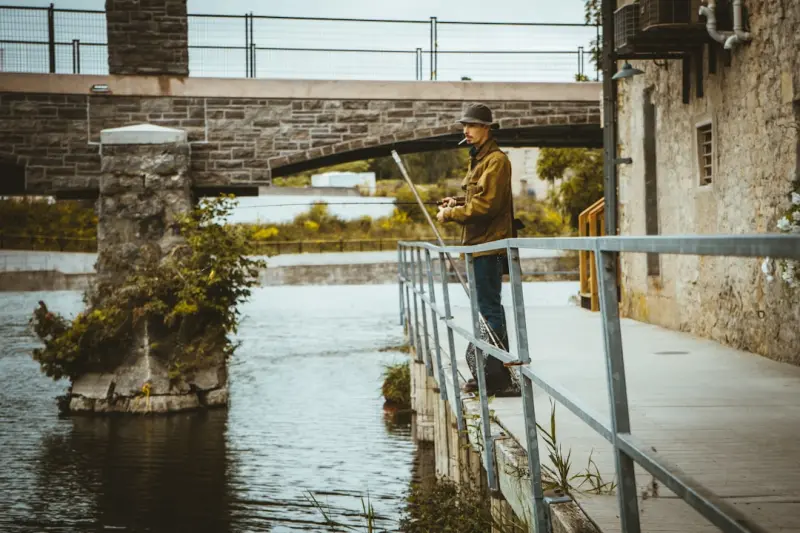
Ontario’s shoreline is buzzing with a new kind of excitement. From the sapphire depths of Lake Simcoe to the hidden coves of the Bruce Peninsula, anglers are discovering fresh opportunities that feel both timeless and unmistakably modern. As a lifelong fisherman who’s traded early‑morning shad runs for late‑night drone scouting, I’ve seen the province’s waters evolve faster than the tide. This post dives into the currents shaping Ontario fishing today, the tech that’s redefining the sport, and the community spirit that keeps our lakes healthy for the next generation.
Ontario’s Waterways: A Mosaic of Untapped Potential
Ontario isn’t just a single lake or river; it’s an intricate network of ecosystems, each with its own personality. While the Great Lakes dominate headlines, smaller bodies like Lake St. Clair, the Saugeen River, and the many kettle‑formed ponds of the Canadian Shield are quietly becoming hotspots for trophy‑size catches.
- Lake St. Clair – Known for its prolific walleye runs, recent stocking programs have boosted average catch weight by nearly 15 %.
- Saugeen River – The river’s swift currents and varied substrate make it a premier destination for steelhead and brown trout.
- Kettle Ponds – These isolated glacial remnants host surprisingly diverse populations of smallmouth bass and northern pike, perfect for anglers seeking a more intimate experience.
The common thread? These waters are being managed with a renewed emphasis on ecological balance, meaning the fish are thriving and the fishing experience is richer than ever.
The Rise of Smart Gear: From Rods to Radar
Gone are the days when a simple spinner and a sturdy line were enough. Today’s anglers are armed with devices that would make a 19th‑century fisherman blush.
- Sonar‑enabled fish finders now sync directly with smartphones, giving you a real‑time heat map of fish activity right on your screen.
- GPS‑linked drones can scout inaccessible coves, drop a baited line, and relay footage back to your boat—all without you ever leaving the dock.
- Smart rods embedded with pressure sensors alert you when a bite occurs, even if you’re distracted by a conversation or a sip of coffee.
What’s fascinating is how these tools are converging with data platforms that aggregate catch reports, water temperature, and even weather patterns. The result is a feedback loop where each outing refines the next, turning intuition into a science.
Data‑Driven Angling: Turning Numbers Into Trophy Catches
Imagine having access to a province‑wide dashboard that visualizes fish migration trends, seasonal spawn windows, and the impact of recent stocking efforts. That’s not a distant dream—it’s already happening thanks to open fisheries data platforms that collate information from government agencies, local clubs, and citizen scientists.
By analyzing this data, you can answer questions like:
- Which sections of Lake Simcoe see the highest bite rates for largemouth bass in early summer?
- How do water temperature spikes affect trout activity in the Saugeen River?
- When is the optimal window for targeting muskellunge in the smaller lakes of the Haliburton Highlands?
These insights empower anglers to plan trips with precision, reducing wasted hours and enhancing the overall experience. And for those who prefer a low‑tech approach, the same data can be printed on community bulletin boards or shared at local tackle shops.
Community‑Led Conservation: The Power of Local Stewardship
Ontario’s fishing culture has always been rooted in community, but recent years have seen a surge in organized stewardship. Clubs are partnering with Indigenous groups to restore spawning grounds, while schools are integrating “catch‑and‑release” programs into their curricula.
Key initiatives include:
- Habitat Restoration Days – Volunteers remove invasive vegetation, install fish ladders, and plant native shoreline flora.
- Citizen Science Surveys – Anglers submit catch data via mobile apps, contributing to a province‑wide database that informs policy.
- Educational Workshops – Topics range from responsible tackle selection to understanding the role of aquatic insects in the food chain.
These efforts not only protect fish populations but also foster a sense of ownership among anglers, turning hobbyists into custodians of the water.
Regulatory Navigation: Staying Compliant Without the Headache
Ontario’s fishing regulations are designed to safeguard species, but they can feel like a maze for newcomers and seasoned veterans alike. The good news is that technology is simplifying compliance.
Many anglers now rely on angling SaaS solutions that automatically update licensing requirements, seasonal limits, and protected zones based on your GPS location. Some platforms even send push notifications when you cross into a no‑catch area, ensuring you never inadvertently break the law.
Beyond apps, the Ontario Ministry of Natural Resources offers an online portal where you can customize a “regulation sheet” for each water body you plan to visit. Pairing this sheet with your digital logbook creates a seamless record‑keeping system that satisfies both personal tracking and regulatory audit needs.
Future Forecast: What’s Next for Ontario Fishing?
Looking ahead, several trends are poised to shape the Ontario fishing landscape:
- Climate‑Responsive Management – As water temperatures shift, agencies will adopt adaptive stocking strategies, targeting species that can thrive in warmer conditions.
- AI‑Powered Prediction Models – Machine learning algorithms will predict bite likelihoods based on historical data, weather forecasts, and real‑time sonar readings.
- Hybrid Gear – Expect to see rods that combine carbon fiber with biodegradable materials, reducing environmental impact without sacrificing performance.
- Virtual Fishing Communities – Online forums will integrate live video streams, allowing anglers to share tips in real time, no matter where they are on the province.
These developments promise to keep Ontario’s fishing scene vibrant, inclusive, and sustainable. Whether you’re a weekend hobbyist or a competitive angler, the future offers tools and opportunities that make each cast more purposeful.
Putting It All Together: A Personal Checklist for the Modern Angler
Here’s a concise, actionable list that captures the essence of today’s Ontario fishing experience:
- Plan with Data – Use open data dashboards to identify prime locations and optimal times.
- Equip Smartly – Invest in sonar‑enabled finders, GPS‑linked drones, and pressure‑sensing rods.
- Stay Informed – Subscribe to regulatory update apps that sync with your GPS.
- Give Back – Join a local stewardship event or contribute catch data to citizen science projects.
- Adapt – Keep an eye on climate trends and be ready to adjust target species or techniques.
By integrating technology, community, and responsible practices, you’ll not only increase your chances of landing that coveted trophy fish, you’ll also help preserve Ontario’s waters for the anglers who follow.
Ontario’s lakes and rivers are more than just bodies of water; they’re living ecosystems that respond to how we treat them. Embrace the tools, honor the traditions, and let the next great catch be a testament to a balanced, forward‑thinking approach to fishing.

Related Posts
From River to Plate: Ontario’s Freshwater Flavors and How to Cook Them
Explore the culinary side of Ontario’s abundant lakes, from proper fish prep to signature recipes,... Read More
Ontario River Fly Fishing: Hidden Currents, Big Rewards
Dive into Ontario’s secret river spots, learn sustainable catch‑and‑release techniques, and ge... Read More
Reeling in the Future: Tech‑Savvy Fishing in Ontario
Tracie Higgins shares how modern tools—from sonar apps to drone scouting—are reshaping Ontario f... Read More
Top Posts

Parental Warning: How Immersive VR Play Is Shaping Kids’ Perception of Reality
Virtual reality dazzles kids, but its immersive pull can blur reality, affect health, and create hidden financial traps. Discover how parents can navigate these...Read More

Casting Light on Ontario’s High-Tech Fishing Frontier
Explore the newest tech tools—from sonar‑enabled smartphones and drones to AI‑driven regulations—that are transforming Ontario fishing, while still hono...Read More

Footpaths & Frontiers: Rediscovering Canada’s Wilderness on the Move
Lace up your boots and venture into Canada’s untamed landscapes, where minimalist gear, local connections, and mindful walking turn travel into a profound, lo...Read More

Parental Warning: The Hidden Data Harvest Behind Kids’ Apps
Kids’ apps promise education and fun, but many quietly harvest data, push recurring subscriptions, and use reward loops to keep children engaged. This post un...Read More
0 Comments
Post Comment
You will need to Login or Register to comment on this post!