
Why Ontario’s Rivers Deserve a Spot on Your Fly‑Fishing Bucket List
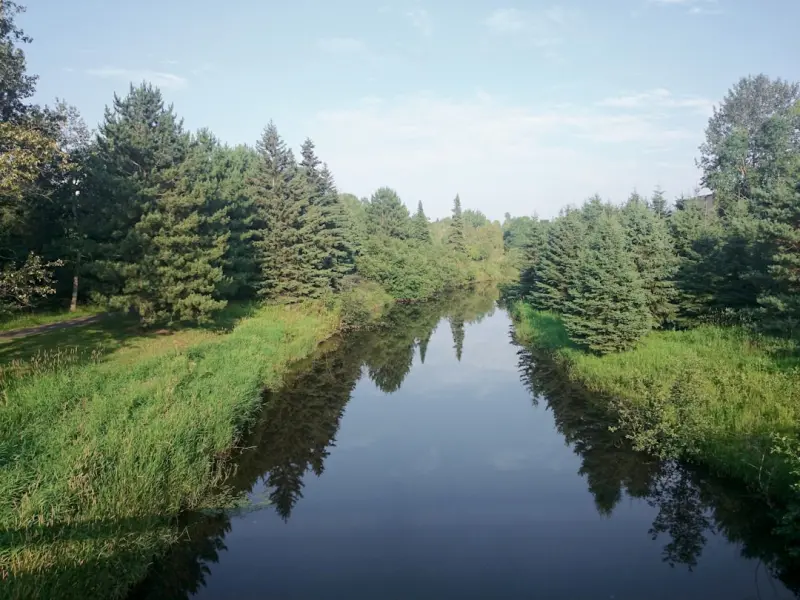
I’ve chased bass on Lake Simcoe and hauled pike from the Ottawa River, but nothing compares to the quiet drama of Ontario’s tributaries when a dry fly lands. The rippled surface of a spring‑fed creek tells a story of hatch cycles, insect emergence, and the hidden currents that keep fish hungry. When the sun hits the water at a low angle, the river becomes a living tapestry, inviting anglers to read its subtle cues and cast with purpose.
Mapping the Hidden Arteries: Rivers You Might Have Missed
Most anglers gravitate to the big names—Niagara, Grand, and the Thames—but the lesser‑known St. Marys River, the Saugeen River, and the French River offer pristine habitats with far fewer crowds. These waterways host healthy runs of trout, steelhead, and even the occasional salmon that venture far inland to feed. By exploring these veins of the province, you not only broaden your trophy list but also support local conservation groups that rely on angler stewardship.
Target Species: What’s Biting When the Waters Warm
Early summer brings a surge of rainbow trout in the upper reaches of the Madawaska, while late summer sees lake‑trout holding deep pools in the Credit River. If you’re after a fight, the northern pike lurking near submerged logs in the Magnetawan can provide a thunderous strike. And for those who love a challenge, the elusive smallmouth bass in the cold, clear sections of the Maitland River offers a tactical duel between lure selection and precise casting.
Gear Essentials for Ontario’s Variable Conditions
Choosing the right rod and line is a balancing act; a 9‑foot, 4‑weight rod with a floating line works wonders on fast‑flowing sections, while a 10‑foot, 6‑weight setup with a sinking line excels in deeper runs. I always pack a selection of nymphs, emergers, and a few dry flies that match the local hatch—especially the Ontario’s hidden night fishing gems when twilight turns the river into a different arena. Don’t forget a sturdy wading chest, polarized sunglasses, and a waterproof map to navigate the twists and turns.
Technique Spotlight: Matching the Hatch with Precision
Success on Ontario’s rivers hinges on reading the insect life cycle. In May, the emergence of mayflies on the Saugeen calls for a classic Adams dry fly, while June’s caddis hatch is best met with a dark caddis nymph. When the water turns muddier in late summer, switch to a weighted stonefly pattern that sinks quickly, presenting a realistic silhouette to wary trout. The key is to adjust both depth and retrieval speed as the river’s temperature fluctuates throughout the day.
Sustainable Practices: Catch‑and‑Release with Care
Ontario’s fisheries thrive when anglers practice responsible catch‑and‑release, especially for trophy‑size trout that contribute to the ecosystem’s genetic health. Use barbless hooks, handle fish with wet hands, and limit the time they spend out of the water. By minimizing stress, you help ensure that tomorrow’s anglers will still find robust runs of native species. For a broader perspective on sustainability, the province’s initiatives often intersect with culinary trends like Zero‑Waste Dining, showing how conservation can be deliciously integrated.
Local Knowledge: Partnering with Indigenous Guides and Community Groups
Indigenous stewardship has shaped Ontario’s river ecosystems for centuries, and many communities now offer guided fly‑fishing tours that blend traditional ecological knowledge with modern techniques. These partnerships not only enrich your experience but also provide direct support to local economies and cultural preservation. Engaging with these guides often reveals hidden riffles, secret pools, and seasonal patterns that aren’t documented in any guidebook.
Seasonal Calendar: Planning Your River Adventures Year‑Round
Spring is ideal for trout and salmon runs, while midsummer favors bass and pike in slower waters. Autumn brings a resurgence of steelhead as they move downstream to spawn, and the cooler evenings produce a calm surface perfect for dry‑fly presentations. Winter, though less popular, offers a unique challenge: ice‑free sections of the Ottawa River become serene corridors for patient nymph fishing, rewarding those who brave the chill.
Final Thoughts: The River Is a Living Classroom
Every bend, riffle, and pool in Ontario’s rivers tells a story of ecology, history, and personal discovery. By investing time in these waterways, you not only collect memories and trophies but also become part of a larger narrative that includes conservation, cultural heritage, and the simple joy of watching a fly dance on the water’s surface. So grab your rod, respect the river, and let the current guide you to your next unforgettable catch.

Related Posts

Unlocking Ontario’s Indigenous Fishing Wisdom: A Modern Guide
Discover the timeless principles of Indigenous fishing in Ontario, learn practical ways to incorpora... Read More

Beyond the Rod: Data, Tradition & Tech Redefine Ontario Fishing
Ontario anglers are merging age‑old Indigenous knowledge, data‑driven insights, and new tech too... Read More
Reeling in the Future: Ontario Anglers Embrace AI and Drones
Ontario anglers are adopting AI-powered sonar, scouting drones, and predictive apps, merging traditi... Read More
Top Posts

Data & Community: Redefining Ontario Fishing
Ontario anglers are swapping paper maps for real‑time data, using apps, sensors, and community dashboards to boost catches, protect fish populations, and invi...Read More

Micro‑Movement Breaks: Boost Energy at Work
Learn how short, intentional micro‑movement breaks can transform your workday, improving circulation, gut health, and mental clarity for lasting energy....Read More

Canada’s Library Revival: Community Hubs Redefine Civic Life
Public libraries across Canada are shedding their quiet, book‑only image, evolving into bustling community hubs that blend culture, tech, and activism—spark...Read More

Wearable Wellness: How Smart Sensors Are Redefining Preventive Health
Wearable devices have evolved into continuous health allies, using advanced sensors and AI to provide real‑time, personalized insights that help prevent illne...Read More
0 Comments
Post Comment
You will need to Login or Register to comment on this post!