
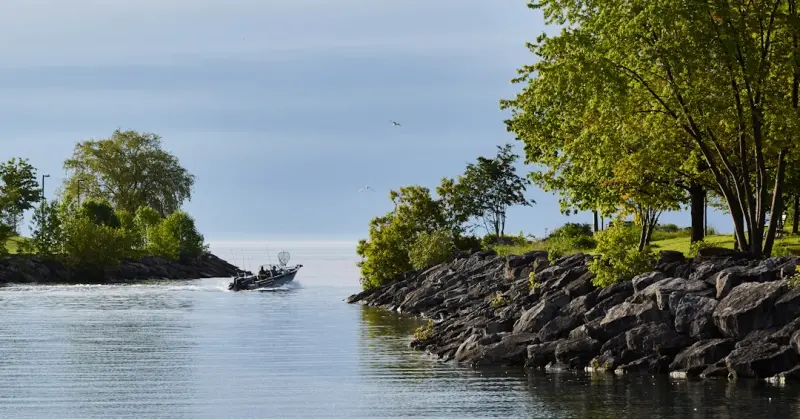
Why Ontario Anglers Need to Embrace the Digital Wave
When I first grabbed my dad’s battered Old Faithful trout rod on Lake Simcoe, the only “tech” I knew was the reel’s click‑click‑click. Fast forward to today, and the same lake now buzzes with smartphones, satellite‑linked fish finders, and even drone‑borne scouting. I’ve watched the transformation from a quiet, patient pursuit to a hybrid sport where data meets patience, and I’ve learned that the future of Ontario fishing isn’t about abandoning tradition—it’s about sharpening it with the right tools.
The Data‑Driven Angler: From Guesswork to Precision
For decades, anglers relied on intuition, weather folklore, and the occasional tip from a local bait‑shop. While those skills are still gold, the tide has turned. Modern fish finders now tap into real‑time sonar, mapping water temperature gradients, depth contours, and even the subtle movements of a school of walleye hidden beneath a thermocline. Apps like FishBrain aggregate user‑submitted catch logs, giving you a heat‑map of where the bite has been strong over the past week.
What changed for me was the moment I logged a sunrise trek on Lake Nipissing, synced my phone to the boat’s sonar, and saw a vivid “rainbow” of fish arches on the screen. Instead of casting blind, I adjusted my lure depth by a mere 0.5 meter and hooked a monster northern pike within minutes. That data‑first mindset turned a frustrating morning into a memorable catch, and it’s a habit I now swear by on every lake I visit.
Smart Lures and IoT: When Your Bait Gets a Brain
Remember the days of hand‑tied flies and rubber jigs? Those classics still have a place, but a new generation of Internet‑of‑Things (IoT) lures is reshaping the game. These battery‑powered baits can transmit depth, temperature, and even vibration data back to your phone. Some models even feature micro‑LEDs that flash in response to water currents, mimicking the erratic movements that trigger predatory instincts.
On a recent trip to the Ottawa River, I tried a Smart‑Bite crankbait. As I reeled in, the lure sent a live feed of its surroundings, showing me a sudden drop in temperature that coincided with a burst of activity from a school of smallmouth bass. The lure’s built‑in motor then altered its wobble pattern, and I felt that unmistakable “tug‑and‑run” sensation that led to a solid 2‑pound catch. The tech didn’t replace my skill—it amplified it, letting me react instantly to what the water was telling me.
Drone Recon: Eyes in the Sky for the Perfect Spot
If you’ve ever spent hours cruising a lake searching for the right structure, you’ll understand the allure of drone scouting. A compact quadcopter equipped with a high‑resolution camera can give you a bird’s‑eye view of submerged logs, weed beds, and drop‑offs that are invisible from the surface. In a recent weekend on Georgian Bay, I launched a drone from a shoreline dock, captured a video sweep, and pinpointed a shallow, rock‑lined pocket where largemouth bass were lurking.
That same drone footage, when paired with a GIS‑style mapping app, let me plot waypoints for my boat’s GPS. The result? I cut my travel time by half and arrived precisely at the hot spot before sunrise. It felt like I’d turned a leisurely fishing trip into a tactical operation, all while preserving the serenity that drew me to the water in the first place.
Integrating Tech Without Losing the Soul
It’s easy to get dazzled by shiny gadgets and forget why we cast in the first place: the quiet communion with nature, the whisper of wind on the water, and the story you’ll tell around the campfire. The key is to treat technology as a companion, not a crutch. I set three simple rules for every outing:
- Limit screen time. I turn off push notifications (except for weather alerts) to stay present.
- Use data as a guide, not a gospel. If a sonar shows a shoal, I still trust my gut on the lure choice.
- Share responsibly. I post my catch logs on community platforms, contributing to the collective knowledge without turning the lake into a billboard.
These habits keep the experience authentic while still reaping the benefits of modern insight.
Seasonal Shifts: How Climate Trends Are Redefining Ontario’s Fishing Calendar
One of the biggest, less talked about tech applications is climate analytics. Long‑term temperature data, ice‑cover duration, and precipitation patterns are now available from provincial environmental agencies. By overlaying this data with your catch records, you can anticipate shifts in fish behavior years before they become evident on the water.
Take the case of the eastern Ontario lakes I frequent each spring. Historically, I’d target walleye in mid‑April when the water hit 7 °C. Over the past few seasons, that sweet spot has crept forward by about two weeks, correlating with earlier thaws. By consulting the secret spots map and cross‑referencing it with recent temperature anomalies, I adjusted my calendar and landed a trophy‑size walleye before the usual opening. It’s a small win, but it illustrates how data can keep us ahead of climate‑driven changes.
From Gaming to Fishing: Borrowing the Play‑to‑Win Mindset
When I read about Canada’s booming esports arenas (gaming‑grade tech), I realized there’s a parallel in the fishing world. Esports athletes study heat maps, analyze opponent patterns, and continuously tweak their setups. Anglers can adopt a similar “practice‑track‑refine” loop.
My own approach now includes a post‑trip debrief: I upload sonar screenshots, note lure types, and record weather variables in a spreadsheet. I then review the data, looking for trends—perhaps a certain color works better at 15 °C or a specific retrieve speed triggers more bites in a weed‑dense bay. Over time, this systematic refinement feels less like guesswork and more like a strategic sport, echoing the precision of a pro gamer.
Community and Conservation: Using Tech to Protect Ontario’s Waters
Technology also empowers us to be stewards of the environment. Mobile platforms now allow anglers to log invasive species sightings, report illegal dumping, and share water quality observations with provincial agencies. By contributing these data points, we help protect the very ecosystems that sustain our hobby.
For example, after spotting an unusual spike of algae in a tributary of the Thames River, I logged the GPS coordinates via a citizen‑science app. Within days, the Ministry of Natural Resources responded, confirming an early bloom and issuing advisories. My simple digital note helped prevent a larger ecological issue and reminded me that our love for fishing carries a responsibility to safeguard the lakes and rivers for future generations.
Putting It All Together: A Sample Tech‑Enhanced Day on Lake St. Clair
Here’s a snapshot of how I blend tradition with technology on a typical Saturday:
- Pre‑trip planning (6 am): I check the WeatherCast app for wind and temperature trends, then open a fish‑activity heat map to identify likely hotspots.
- Launch & drone scout (7 am): From the dock, I launch a compact drone, scanning the shoreline for submerged structure. I mark two promising points in my navigation app.
- Set up smart sonar (7:30 am): I attach a Bluetooth‑enabled fish finder to my kayak, syncing it with my phone to receive depth and temperature readings in real time.
- Deploy IoT lure (8 am): Using a smart crankbait, I monitor its depth and vibration data, adjusting my retrieve based on the sonar’s live feedback.
- Catch & log (9 am): A 3‑pound walleye strikes. I photograph the catch, record the exact GPS location, water temperature (12 °C), and lure specs in my digital log.
- Post‑trip analysis (6 pm): Back on shore, I upload the day’s sonar screenshots, drone footage, and catch log to a personal dashboard, noting patterns for the next outing.
By the end of the day, I’ve caught fish, gathered valuable data, and contributed to community science—all while still feeling the rush of a line pulling tight.
Looking Ahead: The Future of Ontario Fishing
As we stand at the intersection of tradition and technology, the possibilities are endless. Imagine augmented‑reality glasses that overlay fish movement data onto the water’s surface, or AI‑driven lures that adapt their vibration patterns in real time. While these innovations may still be on the horizon, the groundwork is already being laid today through the tools we have at hand.
What excites me most isn’t the gadgets themselves, but the way they empower us to become better, more aware anglers—people who respect the water, understand the ecosystem, and cherish the quiet moments that make fishing a lifelong love. So, whether you’re a seasoned pro or a weekend rookie, I encourage you to dip a toe into the digital tide. You’ll find that the blend of data and instinct creates a richer, more rewarding experience—one that honors the past while casting a bright line toward the future.

Related Posts
Ontario Fishing as Therapy: How Angling Restores Mind, Body, and Community
Explore how angling in Ontario serves as a therapeutic retreat, boosting mental well‑being, streng... Read More
Ontario’s Secret Nighttime Fishing Hotspots: A Guide to Quiet Waters and Stellar Catches
Discover Ontario’s best night fishing spots, from Lake of the Woods to Georgian Bay, and learn how... Read More
Reeling in the Future: How Ontario Anglers Are Adapting to Changing Waters
Ontario anglers are navigating evolving fish patterns, cutting‑edge gear, and community rituals, o... Read More
Top Posts

Fermented Foods: The Unexpected Ally for Modern Professionals
Fermented foods offer a low‑effort, high‑impact way to boost gut health, immunity, and mental clarity—perfect for busy professionals seeking sustainable n...Read More

Canada’s Hybrid Entertainment Surge: Pop‑Up Stages, Virtual Concerts, and Indigenous Gaming
Canada’s entertainment landscape is evolving with hybrid experiences that blend live pop‑up theatre, immersive virtual concerts, and Indigenous gaming, crea...Read More

Level Up: Canada’s Esports Arenas Are Changing the Entertainment Landscape
Canadian esports arenas are emerging as vibrant hubs that blend competitive gaming, live music, art, and community, driving economic growth, tourism, and inclus...Read More

The Kitchen Playground: How Restaurants Are Crafting Immersive Dining Adventures
Modern eateries are treating kitchens as experimental playgrounds, blending pop‑up labs, cross‑industry collaborations, and multisensory storytelling to cre...Read More
0 Comments
Post Comment
You will need to Login or Register to comment on this post!