
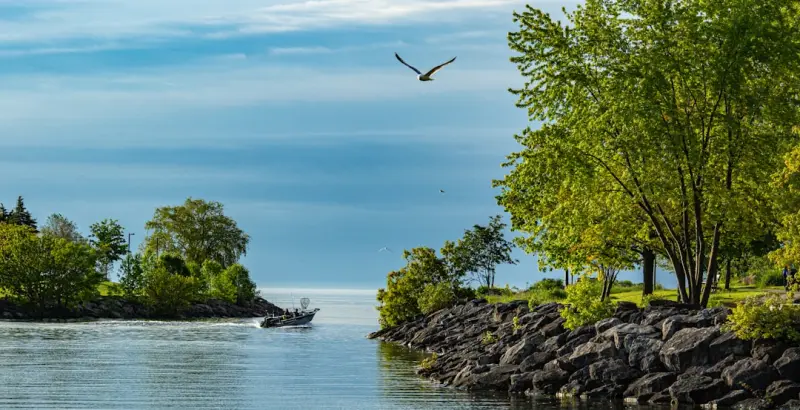
There’s a rhythm to Ontario’s waterways that you feel the moment you step onto a dock at dawn. It’s not just the splash of a line or the tug of a fish; it’s the whisper of mist over a quiet bay, the subtle shift in wind that tells you which current is feeding the trout, and the way the sunrise paints the surface in gold. I’ve spent countless mornings chasing that rhythm, and over the years I’ve collected a handful of insights that go beyond the standard “pick a lure and cast” advice you’ll find in most guides.
Understanding the Seasonal Pulse
Ontario’s climate is a master class in variability. While many anglers focus on the calendar dates, I prefer to think in terms of “water temperature windows.” When the water sits just above the freezing point, the fish enter a slow‑metabolism mode, making them less likely to chase fast‑moving baits. In contrast, the period when the water warms from ten to fifteen degrees Celsius is a golden window for active predators.
Instead of marking your diary with “May 1st – start fishing,” plot your outings around these thermal thresholds. A simple handheld thermometer, or even a digital device you already own, can give you the data you need. Notice the subtle rise after a sunny spell? That’s a cue to switch from bottom‑dwelling jigs to surface poppers.
Choosing the Right Spot – Beyond the Map
Maps and GPS coordinates are useful, but they can’t convey the hidden nuances of a lake’s structure. Spend a day simply observing. Look for:
- Inflow points. Where a creek meets the lake, the current often brings nutrients and, with them, hungry fish.
- Drop‑offs. The edge where shallow water suddenly deepens creates a natural ambush zone.
- Cover. Fallen logs, submerged vegetation, and overhanging branches are not just scenery; they are the fish’s living room.
When you locate these features, test them with a slow retrieve. If you feel a bite, you’ve likely found a feeding hotspot. If not, move a few meters downstream or upstream and try again. The key is patience and a willingness to adapt.
The Art of Gear Tuning
Most anglers reach for a one‑size‑fits‑all setup, but the Ontario environment rewards a more thoughtful approach. Here are three adjustments that make a noticeable difference:
- Line selection. In clear water, a fluorocarbon line with a low visibility index can be the difference between a bite and a missed opportunity.
- Weight distribution. For lakes with heavy weed beds, a lighter leader attached to a weighted hook allows the bait to drift naturally while staying just above the weed line.
- Rod action. A medium‑fast rod gives you the control needed for quick strikes, while a slower action helps when you’re targeting larger, more cautious species.
Experiment with these tweaks on a low‑stakes day; the payoff on a prime outing can be substantial.
Local Lore – The Unwritten Guidebook
Every community around an Ontario lake has stories passed down through generations. These anecdotes often point to hidden coves, historic spawning grounds, or seasonal migrations that no modern chart can capture. I make it a habit to chat with the dock owners, longtime residents, and even the local bait shop staff. Their recollections might mention a “ghost shoal” that appears after a heavy rain or a “silver run” that only happens when the moon is full.
Take notes, respect the knowledge, and test these tips out. You’ll find that many of these tales have a kernel of truth, and honoring them adds a layer of connection to the experience.
Practicing Sustainable Habits
Ontario’s fisheries are a shared resource, and responsible practices ensure that future generations can enjoy the same thrills. Here are a few habits that blend seamlessly into a day on the water:
- Use barbless hooks whenever possible. They reduce injury to the fish and make catch‑and‑release smoother.
- Handle fish with wet hands to protect their slime coat, which is essential for their health.
- Release fish quickly—ideally within thirty seconds—to minimize stress.
- Participate in local clean‑up events; a clear shoreline benefits both anglers and the ecosystem.
These steps are simple, yet they reinforce a mindset of stewardship that benefits everyone who loves Ontario’s waters.
Technology That Enhances, Not Distracts
While I’m not a fan of over‑reliance on gadgets, certain tools can amplify your awareness without pulling you away from the moment. A portable depth finder, for instance, lets you see the underwater contours in real time, helping you target the drop‑offs discussed earlier. Similarly, a weather‑alert app that pushes notifications about sudden temperature shifts can alert you to the perfect window for a new bait.
When you integrate technology, keep it as a support system rather than the centerpiece of your strategy. The goal is to let the water speak, and let the tools translate that conversation into actionable insight.
Learning from Other Pursuits
One of the most unexpected sources of inspiration for fishing comes from unrelated hobbies. I’ve found that the patience cultivated in bird‑watching, for example, translates directly to waiting for that subtle nibble. Likewise, the attention to detail required in woodworking sharpens your sense of how a lure’s movement can mimic a natural prey.
Take a moment to think about the other activities you enjoy. What skills do they hone? Then apply those strengths to your angling—whether it’s the focus of a chess match or the rhythm of a musical instrument. You’ll discover fresh angles on tactics you thought you’d mastered.
Connecting With Fellow Anglers
Ontario’s fishing community is vibrant and diverse. Joining a local club or an online forum can open doors to new spots, shared equipment, and collaborative outings. It also creates a platform for knowledge exchange—someone might post a recent sighting of a trophy-sized bass in a remote inlet, or share a new knot that holds up better in cold water.
When you contribute, you not only gain insights but also give back. The strongest networks are built on reciprocity, and the collective intelligence of the community often uncovers patterns that individual observation can miss.
Planning the Perfect Trip
To synthesize everything, here’s a checklist that helps you design an effective, enjoyable outing:
- Research recent water temperature trends for your target lake.
- Identify inflow points and drop‑offs using a depth finder or visual scouting.
- Adjust gear: select appropriate line, leader weight, and rod action.
- Gather local stories from dock owners or bait shops.
- Pack sustainable essentials: barbless hooks, wet‑hand towels, and a trash bag.
- Set up technology: depth finder, weather alerts, and a simple GPS for navigation.
- Schedule a post‑trip debrief—note what worked, what didn’t, and any new insights.
Following this routine turns each trip into a learning experience, building a deeper bond with the water and the fish that inhabit it.
Final Thoughts
Ontario’s lakes and rivers offer a canvas that changes with every season, every weather shift, and every ripple of human interaction. By paying attention to the subtle cues, respecting the traditions of local anglers, and integrating mindful technology, you can elevate your experience from a simple cast to an immersive adventure.
Whether you’re chasing walleye on a crisp autumn morning, seeking trout in a hidden tributary, or simply looking for a tranquil spot to unwind, remember that the most rewarding moments often arise when you blend preparation with patience.
For those interested in how other hobbyists are reshaping their own spaces, you might explore how small‑scale fermentation is reshaping culinary spaces. Likewise, the way immersive experiences are being applied beyond entertainment can offer fresh perspectives—check out learn how immersive tech is being applied to wellness for a glimpse into that evolving landscape.

Related Posts
Rewilding Ontario’s Lakes: Community Anglers Restoring Fish Populations
A fresh look at Ontario’s fishing scene reveals a grassroots movement where community anglers, Ind... Read More
Reeling in the Future: How Ontario Anglers Are Adapting to Changing Waters
Ontario anglers are navigating evolving fish patterns, cutting‑edge gear, and community rituals, o... Read More
From Hook to Hearth: Cooking Ontario’s Freshwater Catch
Explore the art of cooking Ontario’s freshwater fish, from sustainable harvesting to campfire reci... Read More
Top Posts

Fermentation at Home: Turning Everyday Ingredients into Gourmet Adventures
Explore the art of home fermentation, from starter cultures to low‑waste tricks, and learn to craft gourmet condiments that elevate every meal....Read More

Beyond the Crowds: Discover Ontario’s Secret Fishing Havens
A guide to Ontario’s lesser‑known fishing locations, complete with gear recommendations, budget-friendly tips, and conservation advice for anglers seeking q...Read More

Biofeedback Wearables: Turning Chronic Pain Into a Manageable Metric
Explore the rise of biofeedback wearables that transform chronic pain from a reactive challenge into a proactive, data‑driven health metric, enabling personal...Read More

Immersive Storytelling: How Canada’s Creators Are Merging Tech, Theatre, and Culture
A deep dive into Canada’s emerging immersive storytelling scene, where VR, AR, and live performance blend to give audiences agency, amplify Indigenous voices,...Read More
0 Comments
Post Comment
You will need to Login or Register to comment on this post!