

Ontario’s lakes and rivers have always been a playground for anglers, but the way we fish is changing faster than the water moves downstream. Over the past few years, a quiet yet powerful shift has taken hold: more and more Ontario anglers are embracing catch‑and‑release (C&R) not just as a technique, but as a philosophy. This isn’t the same low‑light, night‑time strategy some of you may have read about in Silent Waters. It’s a broader, community‑driven movement that blends science, stewardship, and a dash of modern tech. In this post, I’ll walk you through why C&R is gaining traction, how to do it right, and the ripple effects it’s creating for Ontario’s ecosystems, local economies, and even our own well‑being.
Why Catch‑and‑Release is No Longer a Niche
When I first tried C&R on a chilly morning on Lake Simcoe, I was skeptical. “What’s the point if I’m not taking the fish home?” I asked a seasoned guide who replied, “It’s about the future of the fishery, not the dinner plate.” That conversation sparked a deeper dive—literally and figuratively—into the data behind the practice.
- Population Health: Scientific studies show that properly released fish have a survival rate of 70‑80% for many species, and the practice helps maintain genetic diversity.
- Economic Benefits: Communities that promote sustainable angling see longer‑lasting tourism dollars. A healthy fish stock means anglers return year after year, supporting local bait shops, lodges, and guides.
- Personal Satisfaction: There’s a unique thrill in knowing you contributed to the health of a waterway. It’s a win‑win for the environment and the soul.
Ontario’s Ministry of Natural Resources & Forestry (MNRF) has been quietly updating its guidelines to support C&R, and many provincial tournaments now feature “no‑kill” categories. This official endorsement is a clear signal: catch‑and‑release isn’t just a hobbyist fad—it’s becoming mainstream policy.
The Science Behind a Successful Release
Releasing a fish isn’t as simple as tossing it back into the water. To maximize survival, you need to respect a few biological basics:
- Minimize Handling Time: Aim to keep the fish out of the water for under 30 seconds. The longer a fish is exposed to air, the more stress hormones flood its system.
- Support the Gills, Not the Mouth: When holding the fish, use a wet, non‑abrasive surface (like a rubberized fish‑grip mat) and keep the mouth closed. Supporting the fish by the lower jaw or gill plates can cause fatal injuries.
- Avoid Over‑Hooking: Use circle hooks or barbless hooks that tend to snag in the lip rather than deeper tissues. If you do get a deep hook, consider cutting the line rather than forcing the hook out.
- Revive Before Release: Gently hold the fish upright in the water and move it back and forth to force water through the gills. You’ll see the gill covers flare—once that’s happening, the fish is ready to swim away.
For those who love a bit of science on the side, you can even Cold Exposure research to understand how temperature shifts affect fish metabolism. The takeaway? A cool, but not icy, water temperature during release can dramatically improve survival odds for species like walleye and northern pike.
Gear That Helps You Do the Right Thing
Modern tackle is evolving to make C&R easier and more humane. Here are a few must‑haves for the eco‑conscious Ontario angler:
- Barbless Hooks: They reduce injury and make de‑hooking faster. Brands now sell barbless equivalents that retain the same snag strength.
- Rubberized Fish Grips: These pads prevent scale loss and slime coat damage, which are vital for a fish’s ability to regulate its osmotic balance.
- Portable De‑Hooking Tools: Small, stainless‑steel de‑hookers with a gentle curve let you cut the line cleanly without pulling the hook out.
- Smartphone Apps: Apps like FishTrack let you log catches, note release methods, and even share data with local conservation groups.
Investing in this gear does more than protect the fish; it signals to fellow anglers that you’re serious about stewardship. Over time, those signals can shift community norms, making C&R the default rather than the exception.
Community‑Driven Data: Turning Anglers into Citizen Scientists
One of the most exciting developments is the rise of crowdsourced data platforms. Ontario anglers are now feeding real‑time observations into databases that help scientists track population trends, spawning sites, and even invasive species hotspots. The initiative National Pulse is a great example of how grassroots data is reshaping policy. By tagging your released catches with species, size, and location, you contribute to a living map that informs MNRF management decisions.
Here’s how you can get involved:
- Download a reputable catch‑and‑release logging app (many are free and open‑source).
- Record essential data: species, weight, length, water temperature, and GPS coordinates.
- Upload your logs weekly. Some platforms even reward active contributors with gear discounts or recognition badges.
This feedback loop creates a virtuous cycle: better data leads to better regulations, which in turn protect fish stocks, ensuring that future anglers can still enjoy the thrill of the chase.
Economic Ripple Effects: From Lakeside Cafés to Eco‑Tours
When anglers commit to C&R, they’re also supporting a new kind of tourism. Take the town of Parry Sound, for instance. The community launched an “Eco‑Angler” package that includes guided C&R outings, workshops on sustainable fishing, and even local farm‑to‑table meals featuring non‑fish items. The result? A 12% increase in off‑season hotel bookings and a surge in local craft sales.
This model mirrors the broader trend of Regenerative Travel, where visitors leave a place better than they found it. By promoting responsible fishing, towns can attract a niche yet growing market of environmentally conscious travelers.
Mindful Fishing: The Mental‑Health Angle
There’s a growing body of evidence linking time spent on the water with reduced stress, improved mood, and heightened focus. The act of casting, waiting, and releasing can become a meditative practice. In my own routine, I’ve begun each weekend with a “release ritual”: I catch a trout, practice the perfect release technique, and then spend ten minutes sitting quietly on the shore, listening to the water. The combination of purposeful action and mindful observation creates a calming feedback loop that carries into the rest of the week.
If you’re new to this, try this simple exercise:
- Set an intention before you launch your line—perhaps “I will be present” or “I will respect this ecosystem.”
- Focus on your breathing as you reel in. Notice the feel of the line, the tug of the fish, the scent of the water.
- When you release, imagine sending gratitude back to the water, acknowledging its role in your well‑being.
Practitioners report lower cortisol levels and a heightened sense of connection to nature. In a province where the pace of life can be relentless, this subtle, intentional fishing experience offers a low‑cost, high‑return mental health boost.
Overcoming Common Misconceptions
Even with the surge in popularity, myths still linger:
- “Releasing kills the fish.” Proper technique yields survival rates comparable to many wildlife relocation programs.
- “Catching for sport isn’t sustainable.” When done responsibly, sport fishing can fund conservation through license fees and donation programs.
- “Only big‑game fish matter.” Every species—from minnows to muskellunge—plays a role in the food web. Protecting the whole ecosystem benefits all anglers.
Addressing these myths requires ongoing education, community workshops, and visible success stories—something our Ontario angling clubs are already championing.
Getting Started: A Step‑by‑Step Guide for Beginners
If you’re ready to join the C&R wave, here’s a quick starter checklist:
- Choose the Right Gear: Barbless hooks, rubber grips, and a de‑hooking tool.
- Learn the Technique: Watch a local guide or follow a reputable online tutorial (many Ontario conservation groups post videos).
- Practice on Small Fish: Start with panfish in a stocked pond to build confidence.
- Log Every Release: Use an app or a simple notebook to track species, size, and location.
- Engage with the Community: Join a local angling club, attend a workshop, or volunteer for a shoreline cleanup.
Remember, the goal isn’t perfection on the first try—it’s consistency over time. Each successful release adds to a larger collective impact.
Looking Ahead: The Future of Ontario Angling
What does the next decade hold for Ontario anglers? I see three key trajectories:
- Technology Integration: Drones for scouting, AI‑powered fish‑identification apps, and real‑time water‑quality sensors will give anglers unprecedented data, allowing even more precise and ethical fishing decisions.
- Policy Evolution: As citizen science data accumulates, we can expect more adaptive management—dynamic quotas, seasonal closures, and habitat restoration projects driven by angler observations.
- Cultural Shift: The narrative will move from “catch‑and‑keep” to “catch‑and‑care,” making sustainable practices a badge of honor in fishing forums, tournaments, and social media.
By embracing catch‑and‑release today, we’re not just protecting fish; we’re shaping the identity of Ontario’s fishing community for generations to come.
Take the Leap—Your Lake Is Waiting
Whether you’re a seasoned pro or a weekend hobbyist, the tools and knowledge to practice responsible fishing are more accessible than ever. The water is clear, the fish are eager, and the community is ready to welcome you into a stewardship mindset that benefits everyone—from the smallest trout to the local bait shop owner.
Next time you head out to the shore of Lake Erie, the tranquil waters of the Kawarthas, or the hidden coves of Georgian Bay, remember: every cast is an opportunity to give back. Release responsibly, log your catch, and share your experience. Together, we’ll ensure that Ontario’s waters stay vibrant, abundant, and full of stories for years to come.

Related Posts
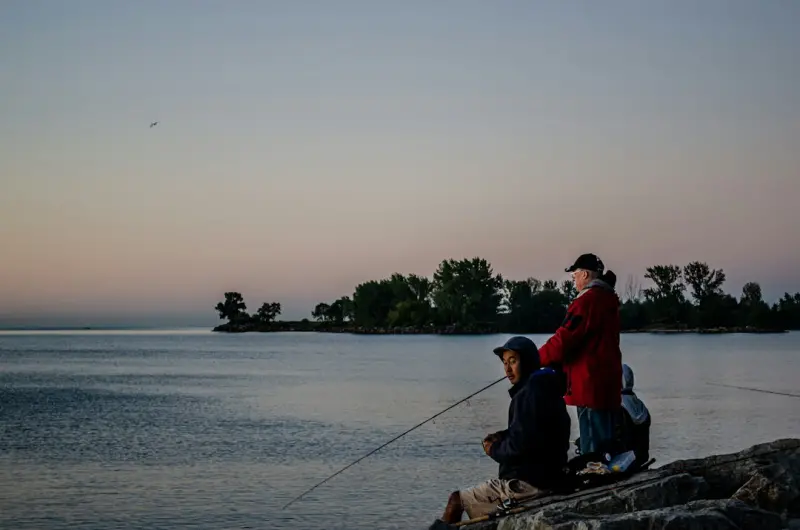
Reeling in the Future: Data‑Driven Angling on Ontario’s Lakes
Ontario anglers are turning to data, sensors, and community platforms to fish smarter and protect th... Read More

Casting Calm: How Ontario’s Lakes Become Natural Therapy Rooms
Ontario’s lakes are more than just fishing spots—they’re quiet therapy rooms where casting a l... Read More
Silent Currents: Rediscovering Ontario’s Lesser‑Known Fishing Sanctuaries
Discover Ontario’s hidden fishing sanctuaries, learn low‑tech seasonal strategies, adopt zero‑... Read More
Top Posts

The Legal Playbook for Managing a Distributed Remote Workforce in Canada
Remote work reshapes legal obligations across provinces and borders. This guide outlines contract updates, tax considerations, health‑and‑safety duties, and...Read More

Celebrating Without Stress: A Fresh Take on Prom & Graduation Night
Learn how to navigate prom and graduation with calm confidence using planning shortcuts, supportive peer groups, and mindful rituals for a stress‑free celebra...Read More

Chasing Daylight: How Seasonal Sunlight Can Reset Your Body Clock
Discover why sunlight is a powerful health tool, how seasonal light affects our circadian rhythm, and practical ways to integrate more natural light into daily ...Read More

The Subscription Overload: Taming Your Monthly Bills
Discover a step‑by‑step guide to identify hidden subscription costs, negotiate better rates, and adopt smarter spending habits that can save you hundreds ea...Read More
0 Comments
Post Comment
You will need to Login or Register to comment on this post!