
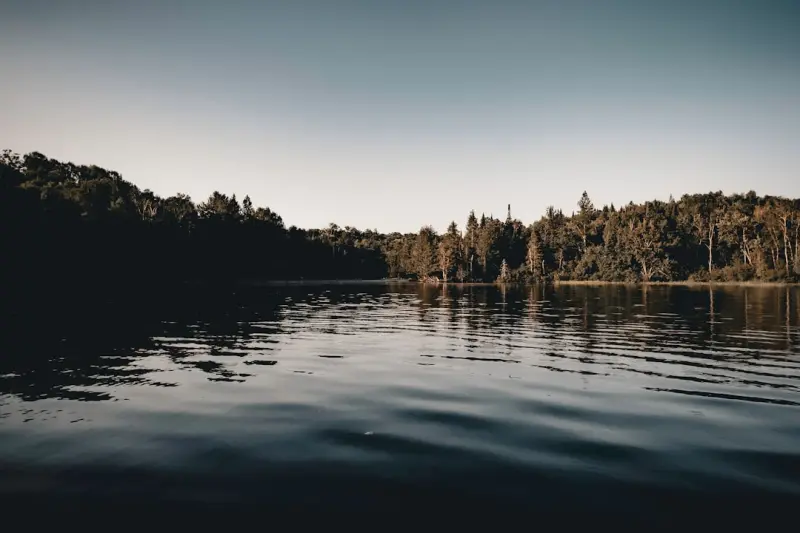
Discovering Ontario’s Hidden Fishing Havens
Ontario’s sprawling network of lakes and rivers often feels like a well‑trodden path for seasoned anglers, yet countless pockets remain virtually untouched, offering pristine waters and untapped trophy potential. I’ve spent countless early mornings paddling through cedar‑lined bays, where the only sounds are the ripple of a bobber and the distant call of loons, and each hidden inlet reveals a distinct micro‑ecosystem that supports unique fish behavior. By venturing beyond the famed Muskoka and Kawartha corridors, you not only escape the crowds but also become part of a quiet, reverent dialogue with nature that rewards patience and curiosity.
Micro‑Habitat Mapping: The New Tool for the Modern Angler
Advances in affordable GPS and sonar technology have turned what used to be the domain of professional biologists into a hobbyist’s secret weapon; mapping underwater structures now takes minutes rather than days of trial and error. I start each expedition by sketching the contour lines of a lake’s basin, noting drop‑offs, submerged stumps, and the subtle changes in substrate that dictate where pike or walleye lurk, and I overlay these data points on a digital map that updates in real time as the boat glides. This practice not only boosts strike rates but also deepens your appreciation for how each rock and weed patch forms a living tapestry that sustains the fish you chase.
Night Fishing with LED Technology: A Glow‑In‑The‑Dark Renaissance
While many anglers dismiss night fishing as a novelty, the quiet darkness of Ontario’s backwaters, illuminated by low‑profile LED rigs, creates an almost surreal hunting ground where fish become more aggressive and less wary. I’ve swapped traditional headlamps for waterproof, color‑adjustable LEDs that mimic the moon’s subtle hue, drawing curious perch and aggressive smallmouth bass toward the glow like moths to a flame, and the result is a cascade of surface strikes that feel almost cinematic. The key is to balance light intensity—too bright and you spook the fish, too dim and you miss the action—so experimenting with amber and deep‑blue tones quickly becomes a science of its own.
Indigenous Knowledge: A Blueprint for Sustainable Angling
Respecting the centuries‑old stewardship practices of Ontario’s First Nations has become an essential component of responsible fishing, offering insights that modern technology alone cannot provide. I’ve spent time learning from Indigenous elders who read the water’s surface for subtle signs of spawning runs, and who emphasize seasonal closures and selective harvest to preserve the delicate balance of the ecosystem; these teachings are woven into rituals that honor the fish as partners rather than trophies. By integrating this wisdom—such as honoring the “catch‑and‑release” ethic during spawning periods—you contribute to a thriving fishery that can sustain future generations of anglers.
Citizen Science Apps: Turning Your Tackle Box Into a Data Hub
Participating in citizen‑science platforms has transformed my weekend outings into meaningful contributions to provincial fisheries management, turning every catch into a data point that helps track population health. Apps allow you to log species, size, location, and even water temperature with a few taps, and the aggregated data feeds into government databases that inform quota adjustments and habitat restoration projects; this collaborative approach ensures that your love of fishing directly supports conservation efforts. By sharing real‑time observations, you join a growing community that turns individual passion into collective stewardship, making each reel‑in a step toward healthier waters.
Seasonal Shifts: How Climate Change Is Redrawing Ontario’s Fishing Map
Warmer summers and milder winters are nudging fish species northward, creating new opportunities—and challenges—for anglers who have traditionally relied on historical patterns. I’ve noticed an uptick in northern pike establishing themselves in lakes that once hosted predominantly lake trout, and this shift demands a flexible strategy: adjusting bait selection, timing, and even the type of gear you bring to the water’s edge. By staying informed about temperature trends and consulting resources like the Ontario Ministry of Natural Resources, you can anticipate these changes and adapt your approach before the fish do.
Gear Evolution: Sustainable Materials for the Eco‑Conscious Angler
Modern tackle manufacturers are increasingly offering rods, reels, and lines crafted from recycled polymers and sustainably sourced bamboo, allowing anglers to reduce their ecological footprint without sacrificing performance. I swapped my old carbon‑fiber rod for a bamboo‑reinforced model that not only feels lighter but also decomposes responsibly at the end of its life cycle, and I pair it with biodegradable fishing line that minimizes microplastic pollution in our lakes; these choices reflect a broader movement toward gear that respects the water we love. Investing in eco‑friendly equipment is a tangible way to align your hobby with the planet’s long‑term health.
Creating a Personal Fishing Journal: The Power of Narrative Data
Documenting each outing in a dedicated journal—whether digital or handwritten—creates a narrative thread that reveals patterns invisible in isolated trips, turning anecdotal memories into actionable insights. I record weather conditions, water clarity, lure colors, and even the mood of the day, and over months these entries form a story that highlights what works and what doesn’t, much like the narrative data approach used in marketing; this personal archive becomes a strategic playbook for future successes. By revisiting past entries, you can refine techniques, plan optimal dates, and share compelling stories with fellow anglers, enriching both your skill set and the community.
Connecting to the Wider Community: Local Clubs and Conservation Drives
Joining a local fishing club not only expands your network but also opens doors to organized clean‑up events, habitat restoration projects, and shared knowledge sessions that keep the sport vibrant and responsible. I’ve participated in lake‑bank revegetation days organized by the Indigenous‑Led Health Initiatives group, where we planted native shrubs that stabilize shorelines and provide cover for spawning fish; these collaborative efforts foster a sense of stewardship that transcends individual pursuits. By investing time in community-driven initiatives, you help preserve the very waters that fuel your passion, ensuring that Ontario’s hidden fishing havens remain abundant for generations to come.

Related Posts
Ontario’s Secret Ice‑Fishing Spots: A Local’s Guide to Winter Angling
Discover Ontario’s hidden ice‑fishing locations, essential gear, safety tips, and local communit... Read More

When the Lakes Talk: Listening to Ontario’s Fish in a Changing Climate
Ontario’s waters are changing, and so are the fish. This post reveals how climate impacts fish beh... Read More
Reeling in the Future: How Ontario Anglers Are Adapting to Changing Waters
Ontario anglers are navigating evolving fish patterns, cutting‑edge gear, and community rituals, o... Read More
Top Posts

Monetizing Employee Upskilling: Turning Learning Into Revenue
Learn how to turn employee training into a profit-generating asset, using scalable platforms, smart partnerships, and data‑driven results to boost revenue and...Read More
Immersive Storytelling: The Next Wave in Canadian Entertainment
Immersive storytelling is redefining how Canadians experience drama, music, and culture, merging technology with tradition to build vibrant, inclusive entertain...Read More

The Conversational Commerce Revolution: Why Brands Must Start Talking
A deep dive into conversational commerce, revealing why voice and chat are the new must‑have marketing channels, complete with practical steps to integrate th...Read More

Decentralizing Power: How Provincial Innovation Is Redefining Canadian Politics
A fresh look at the rise of provincial authority, digital engagement, and inclusive governance reveals how Canada’s political future is being reshaped from th...Read More
0 Comments
Post Comment
You will need to Login or Register to comment on this post!