

When the Lakes Talk: Listening to Ontario’s Fish in a Changing Climate
Ontario’s waters have always been a conversation between angler and fish—a silent dialogue of patience, timing, and respect. Lately, that conversation is evolving. Warmer summers, shifting precipitation patterns, and invasive species are rewriting the script, and anglers who tune in to these new cues will not only stay successful, they’ll become stewards of a resilient fishery.
Why Climate Matters More Than You Think
It’s easy to think of climate change as a distant, abstract phenomenon, but for anyone who’s ever cast a line on Lake Simcoe at dawn, the signs are already here. Warmer surface temperatures push cold‑water species like lake trout deeper, sometimes beyond the reach of typical trolling rigs. Conversely, warm‑water favorites such as bass and pike are expanding their territories, colonising northern bays that were once too chilly for them.
These shifts affect not just where fish are, but also how they behave. A trout that once fed near the thermocline at 12 °C now hunts at night when cooler layers retreat. A bass that historically chased minnows in shallow reeds may now be found cruising the mid‑lake zone, chasing larger prey that have also moved with the heat.
The Data Behind the Shifts
Scientists at the Ontario Ministry of Natural Resources have been tracking temperature profiles across the province’s 250,000 lakes for over a decade. Their findings are stark: average summer surface temperatures have risen by roughly 1.2 °C, and the duration of “thermal stress” periods—when water exceeds optimal temperatures for cold‑water species—has increased by 30 %.
But data can feel sterile. That’s why I turn to the stories that emerge from the docks, the boat ramps, and the community fish‑clubs. The real evidence is the seasoned angler who now reports “nothing on the bottom” where there used to be a steady bite, or the rookie who’s thrilled to snag a largemouth bass in a lake that was once a trout‑only haunt.
Adapting Your Tactics: A Seasonal Playbook
Adapting to a changing ecosystem doesn’t require a complete overhaul of your gear—just a smarter approach. Below is a seasonal guide that aligns with the new realities of Ontario’s waters.
- Early Spring (March‑April): Ice melt is rapid, and water layers are still mixing. Target northern pike and walleye in the shallow littoral zones where they congregate for spawning. Use bright‑colored jigs to cut through the often‑murky post‑ice water.
- Late Spring (May‑June): As surface temperatures climb, lake trout retreat to deeper, cooler water. Deploy downriggers with deep‑water jigging spoons at depths of 30‑50 ft. Pair this with a fish‑finder to locate the thermocline, which now sits deeper than in previous years.
- Summer (July‑August): Warm water pushes many species to the night. Night‑time trolling with soft plastics or spinnerbaits becomes more productive, especially around drop‑offs where bass and pike hunt under the cover of darkness.
- Fall (September‑October): Cooling water draws fish back toward the surface. This is prime time for smallmouth bass and rock bass. Try a blend of crankbaits and topwater poppers near rocky shorelines where fish feed on the influx of migrating baitfish.
- Winter (November‑February): Ice fishing remains viable, but species composition changes. Focus on yellow perch and northern pike, using small jigs and live bait under the ice. Remember that water clarity often improves under ice, so subtle colour changes matter.
Gear Up—But Keep It Smart
Modern anglers love tech, and rightly so. While the smart gear wave has already introduced sonar‑integrated rods and AI‑driven lure selection, the real win lies in using these tools to understand climate‑driven patterns, not just to boost catch rates.
Here’s how to integrate technology without losing the soul of the sport:
- Smart Fish‑Finders: Use them to map temperature gradients in real time. Spotting a sudden drop in temperature can hint at a hidden drop‑off where cold‑water fish are congregating.
- Mobile Weather Apps: Look beyond the surface forecast. Apps that provide lake‑specific water temperature predictions let you plan trips around optimal fishing windows.
- Data Logging: Many modern reels can log depth, time, and temperature. Review this data after each outing to spot trends—maybe you’re catching bass at a depth you never considered before.
Community Knowledge: The Untapped Resource
Ontario’s angling community is a goldmine of localized insight. From Facebook groups dedicated to the Kawartha Lakes to the annual meet‑ups of the Ontario Bass Federation, shared observations can fill gaps that scientific reports miss.
Take, for instance, the recent discovery by anglers on Lake St. Clair: an unexpected surge of yellow perch in the western bay, linked to a new inlet that altered water flow and created a perfect spawning habitat. Such nuggets of information spread quickly through community forums, helping anglers adjust their tactics before the official reports catch up.
Respecting Indigenous Knowledge
Ontario is home to dozens of First Nations whose relationship with the water runs deep—literally and metaphorically. Indigenous stewardship practices, honed over millennia, offer valuable guidance for sustainable fishing in a warming climate.
Engage with local Indigenous groups to learn about traditional seasonal patterns, such as the “spring run” of whitefish that has been observed for centuries. These insights can complement scientific data, providing a fuller picture of how fish respond to environmental changes.
Conservation in Action: Simple Steps for Every Angler
Protecting Ontario’s fisheries doesn’t require grand gestures; everyday actions add up.
- Practice Catch‑and‑Release with proper handling: keep fish in the water, use barbless hooks, and release them quickly.
- Use Biodegradable Lures: Some manufacturers now offer lures made from plant‑based materials that break down without harming aquatic ecosystems.
- Participate in Local Clean‑ups: Many shoreline clubs organize litter‑pick events. Removing debris improves habitat quality for both fish and the broader ecosystem.
- Stay Informed About Regulations: As fish populations shift, so do fishing regulations. Keep up with the latest Ontario Fishing Regulations to ensure compliance and sustainability.
Turning the Challenge into Opportunity
While the changing climate presents undeniable challenges, it also opens doors for innovative experiences. Imagine guided night‑time fly‑fishing trips on Lake Nipissing, where anglers chase bass under a sky full of stars, or community science projects where anglers submit temperature and catch data to provincial databases, directly influencing management decisions.
These initiatives foster a sense of ownership and pride. They also turn what could be a story of loss into one of resilience, showcasing Ontario’s capacity to adapt and thrive.
Looking Ahead: The Future of Ontario Fishing
We stand at a crossroads where traditional wisdom meets cutting‑edge technology, and where community collaboration can shape the trajectory of our waterways. By listening to the subtle cues in the water, embracing smart tools responsibly, and honoring the deep-rooted knowledge of Indigenous peoples and local anglers, we can ensure that Ontario’s lakes remain vibrant, productive, and inviting for generations to come.
So the next time you set out on a mist‑filled morning, remember: the fish are talking. All you need to do is listen.
For more inspiration on sustainable water adventures, check out Charting a Greener Course, where we explore how eco‑friendly practices are reshaping outdoor recreation across the province.

Related Posts
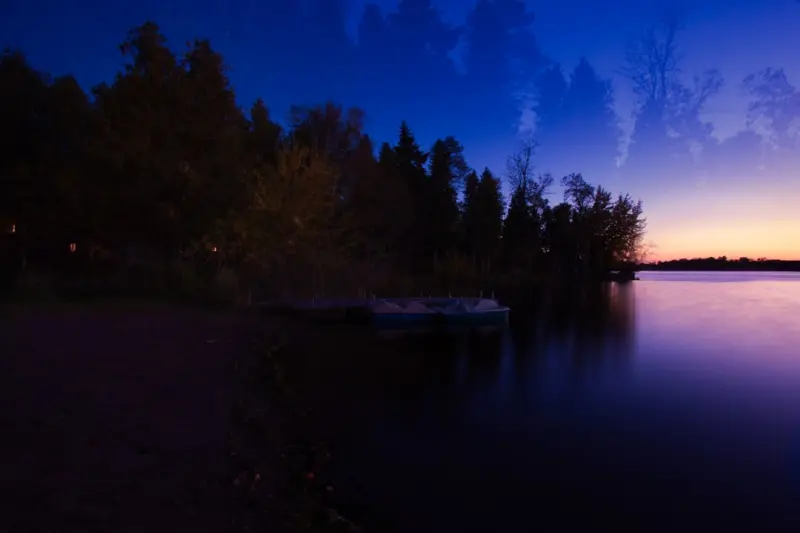
Night Fishing in Ontario: Tips, Spots, and the Thrill of the Dark
Explore the excitement of night fishing in Ontario with gear guides, prime locations, safety advice,... Read More

Ontario’s Seasonal Fishing Playbook: Timing, Tactics, and Tradition
A guide to mastering Ontario’s seasonal rhythms, from water‑temperature cues to ethical catch‑... Read More
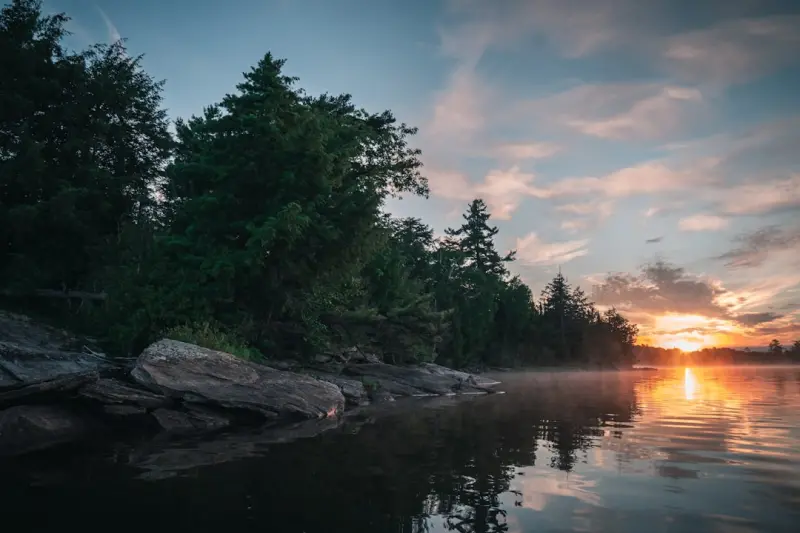
Rewilding Ontario’s Lakes: Community Anglers Restoring Fish Populations
A fresh look at Ontario’s fishing scene reveals a grassroots movement where community anglers, Ind... Read More
Top Posts
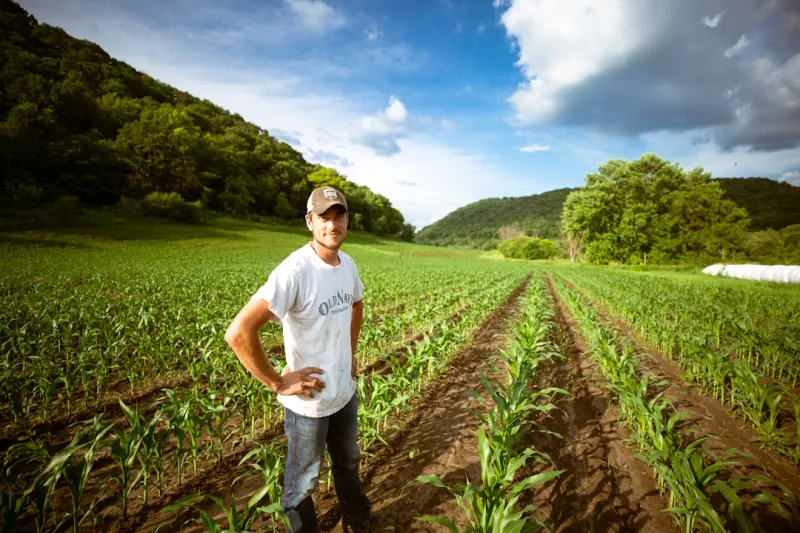
The Unseen Struggles of Canadian Farmers
Canadian farmers are the backbone of this country, but they face many unseen struggles. Learn more about the challenges they face and how you can support rural ...Read More

TRIVAGO The online Booking APP- Direct Hotel Booking vs. Third-Party Hotel Booking
I was buzzing with excitement for our trip to Niagara Falls. My wife and I had been planning a quick, scenic getaway for a while, and the dates were finally set...Read More
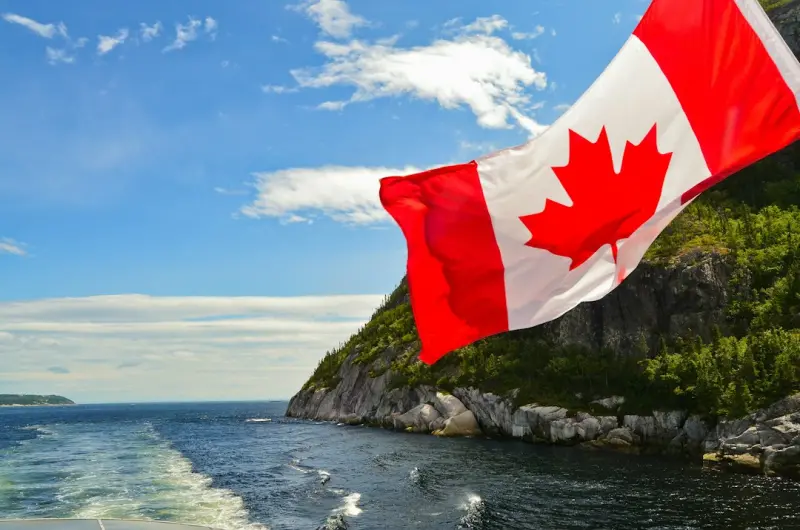
Reimagining Canada’s National AI Playbook: From Policy to Practice
A deep dive into why Canada needs a unified AI playbook, outlining strategic governance, data sharing, talent development, and innovation incentives to transfor...Read More

Seasonal Superfoods: Tuning Your Diet to Nature’s Clock
Learn why syncing your meals with seasonal superfoods can transform your vitality, support gut health, and reduce waste, all while savoring nature’s freshest ...Read More
0 Comments
Post Comment
You will need to Login or Register to comment on this post!