
Why Night Fishing Is the Next Big Thing in Ontario
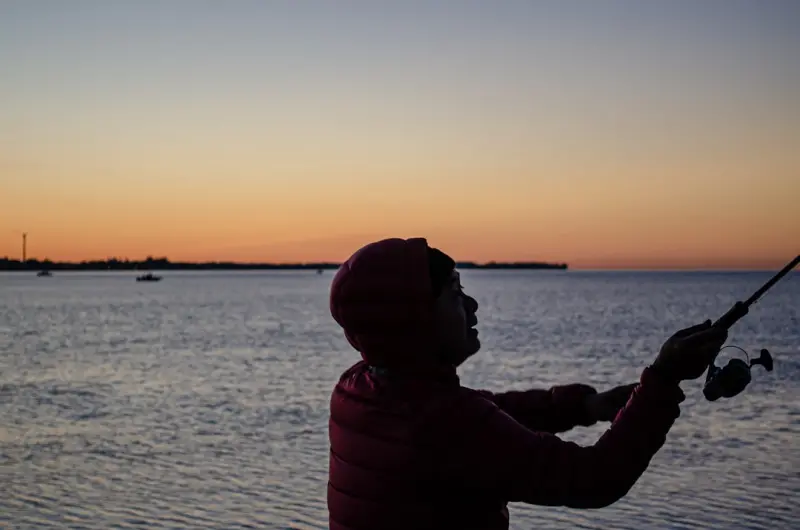
When I first grew up on the shores of Lake Simcoe, sunrise was the sacred cue to cast a line. The mist hovered over the water, the world was quiet, and the anticipation of a bite felt like a promise. Over the years, my routine shifted. I began to notice that the lake’s pulse changed after dark – a subtle, rhythmic thrum that whispered of hidden activity beneath the surface. This realization sparked a personal experiment: trading my early‑morning trips for nocturnal adventures. What I discovered has reshaped my whole relationship with Ontario’s waters, and I’m convinced it’s a movement that other anglers haven’t fully tapped into yet.
The Science Behind the Dark
Ontario’s freshwater ecosystems are incredibly dynamic, driven by temperature gradients, oxygen levels, and the daily migrations of fish species. In the late afternoon, many predatory fish such as northern pike and largemouth bass retreat to deeper, cooler water to avoid the sun’s heat. As the sun sets, these same waters gradually warm, creating a comfortable temperature band that draws the fish back toward the shallows where they can hunt more efficiently. Additionally, the decrease in ambient light reduces the visual advantage of prey species, making them more vulnerable to ambush predators that rely on scent and low‑light vision.
Research from Ontario’s Ministry of Natural Resources confirms that many sportfish exhibit a “crepuscular” feeding pattern – they are most active during twilight periods. While this phenomenon is well‑known among scientific circles, the average recreational angler often overlooks it, preferring the familiar daylight routine. The result? A quiet, under‑exploited window where competition is low, fish are hungry, and the experience feels almost mystical.
Gear Up for After‑Dark Success
Transitioning from day to night fishing isn’t just a mindset shift; it demands a tailored toolkit. Below is a checklist that has become my go‑to for every nocturnal outing:
- Light‑Sensitive Lures: Fluorescent or phosphorescent soft plastics that glow under low light conditions can trigger predatory strikes. I swear by the Glow‑Bait series, especially when paired with a subtle wobble.
- LED‑Equipped Rods: Modern rods now feature built‑in LED strips that illuminate the tip without glaring into the water, allowing you to see the lure’s action while remaining discreet.
- Low‑Profile Spotlights: A 10‑watt red LED spotlight mounted on the boat or kayak reduces glare and preserves night vision. Red light also doesn’t spook fish as much as white beams.
- Thermal Gloves: Ontario’s evenings can drop quickly, even in summer. Thermal, waterproof gloves keep your hands warm while maintaining dexterity for knot‑tying.
- Portable Power: A compact power bank or solar charger ensures your electronics stay alive throughout the night, especially if you plan a multi‑hour session.
- Safety Gear: A life jacket with a built‑in whistle, a waterproof flashlight, and a small first‑aid kit are non‑negotiable. Night on the water demands extra vigilance.
Spotting the Best Night Fishing Locations
Ontario boasts more than 250,000 lakes, but not all are equal when the sun dips below the horizon. Here are three regions that consistently deliver rewarding night catches:
- Georgian Bay’s Hidden Coves: The intricate shoreline creates countless secluded bays where bass and pike congregate after dark. Look for coves with rocky outcrops; they provide shelter and a natural ambush point for predators.
- The Kawartha Lakes System: Its interconnected waterways mean fish move freely between larger lakes and smaller channels. At night, these channels become highways for walleye hunting smaller forage fish.
- Lake Nipissing’s North Shore: The deep basins near the north shore retain a slight temperature gradient that draws trout and smallmouth bass upward as the night cools. A simple drift with a jig can be surprisingly effective.
When scouting a spot, pay attention to moon phase and cloud cover. A full moon can illuminate the surface, making fish more cautious, while a new moon often yields the most active feeding frenzy because the darkness is near‑perfect for stealthy predators.
Tech Meets Tradition: Leveraging Data Without Losing the Soul
One of the biggest trends in modern angling is the integration of data-driven tools – from mobile apps that map fish activity to sonar devices that render real‑time underwater topography. While I’m a firm believer in the power of technology, I also cherish the meditative rhythm of casting under a starlit sky. The sweet spot lies in using tech as a compass, not a crutch.
For example, the Digital Federalism initiative has spurred open‑data portals that include fish stocking reports and water temperature logs for many Ontario lakes. By cross‑referencing this public data with personal observations, you can pinpoint the most promising fishing windows without relying on guesswork.
Similarly, portable sonar units have become more affordable and user‑friendly. When paired with a smartphone, they provide a clear picture of where baitfish are aggregating, allowing you to adjust your lure presentation on the fly. Yet, remember that the best nights are often those when you’re listening to the water’s subtle sounds rather than staring at a screen.
Community Night Fishing Events: Building Bonds on the Water
Ontario’s fishing community is tight‑knit, and night fishing offers a unique platform for connection. Over the past few years, local angling clubs have started organizing “Moonlight Tournaments,” where participants gather at a designated lake after sunset to compete in a relaxed, low‑stakes format. These events foster mentorship, as seasoned anglers share tips on lure selection, while newcomers bring fresh enthusiasm.
What’s more, many of these gatherings partner with environmental groups to promote responsible angling practices. Participants receive briefings on catch‑and‑release techniques that minimize stress on fish, and night events often double as clean‑up drives, with volunteers collecting debris that accumulates on shorelines after daylight hours.
Seasonal Considerations: When to Dive In
Ontario’s fishing calendar is diverse, and night fishing can be advantageous throughout the year. Here’s a quick guide:
- Spring: As water temperatures rise, fish transition from deep winter haunts to shallower spawning grounds. Nighttime offers a cooler environment for them, making surface lures surprisingly effective.
- Summer: The heat pushes many species to deeper, cooler water during the day. After sundown, they migrate upward to feed, creating excellent opportunities for topwater plugs and poppers.
- Fall: Pre‑winter feeding frenzies are amplified under moonlight. This is prime time for targeting trophy‑size pike and walleye that are bulk‑up before the cold sets in.
- Winter: While ice fishing dominates the conversation, night ice fishing on clear, calm evenings can reveal active fish that are otherwise dormant during the day.
Stories from the Dark: Memorable Night Catches
To illustrate the magic, let me share a couple of personal anecdotes that still make me smile when I think about them.
The Midnight Bass Monster: One crisp autumn night on a quiet cove of Lake Simcoe, I set up a low‑light LED rod and dropped a phosphorescent crankbait just beyond the 10‑foot mark. Within minutes, the line went taut, and a massive largemouth bass, easily 30 inches, surged to the surface. The fight was fierce, illuminated only by the red glow of my spotlight, and the catch felt like a secret shared between me, the water, and the night sky.
Walleye Whisper: During a new‑moon phase on the Kawartha Lakes, I used a subtle jigging spoon near a submerged log. The silence was palpable, broken only by the soft splash of the lure. Suddenly, a walleye struck, and the tug was gentle, almost like a whisper. It was a reminder that night fishing isn’t always about dramatic battles; sometimes it’s about listening to the subtle cues the water offers.
Practical Tips for a Safe and Successful Night Out
While the rewards are plentiful, night fishing comes with its own set of challenges. Here are some safety and performance pointers to keep you on track:
- Inform Someone: Always let a friend or family member know where you’ll be and your expected return time.
- Check Weather Forecasts: Nighttime storms can roll in quickly. Keep an eye on local radar and be ready to head back if conditions deteriorate.
- Use a GPS Tracker: Even on familiar lakes, a portable GPS device can be a lifesaver if you lose orientation.
- Mind the Wildlife: Nighttime brings out loons, turtles, and occasionally bears near shorelines. Keep a respectful distance and store food securely.
- Maintain Light Discipline: Use dim, red lighting to preserve night vision for both you and the fish. Avoid bright white beams that can spook fish and other anglers.
Integrating Night Fishing Into Your Overall Angling Routine
Night fishing shouldn’t replace your daytime outings; rather, it should complement them. By alternating between day and night trips, you gain a fuller understanding of fish behavior patterns, making you a more adaptable and successful angler. Here’s a simple weekly plan you might try:
- Monday–Wednesday: Daylight scouting – identify promising structures, test different lures, and note water temperatures.
- Thursday: Rest day – review notes, update your log, and plan the upcoming night session.
- Friday–Saturday: Night fishing – focus on the locations and techniques that showed promise during daylight scouting.
- Sunday: Light recovery – a short dawn session to capitalize on any residual fish activity.
This rhythm balances effort, allows for proper rest, and maximizes your chances of catching diverse species across varying conditions.
Future Outlook: How Night Fishing Could Shape Ontario’s Angling Culture
As more anglers discover the hidden potential of night fishing, I anticipate several positive shifts:
- Reduced Overcrowding: By spreading fishing activity into the evening hours, popular lakes will experience less daytime pressure, preserving fish populations and enhancing the overall experience.
- Enhanced Conservation Awareness: Night outings often bring participants closer to the natural rhythms of the ecosystem, fostering a deeper respect for sustainable practices.
- Technological Innovation: The demand for low‑light gear – from quiet electric motors for kayaks to advanced low‑glare sonar – will likely spur new product development tailored to the night angler.
- Community Growth: Night fishing clubs and events could become a staple of local tourism, attracting visitors who seek a unique, tranquil outdoor adventure.
In many ways, embracing the night is a return to a more intimate relationship with Ontario’s waters – one that values patience, observation, and a touch of wonder.
Take the First Step Tonight
If you’ve been reading this and feel the pull of the moonlit lake, grab your gear, pick a nearby spot, and give night fishing a try. Start modestly – a simple rod, a glow‑in‑the‑dark lure, and a red LED headlamp – and let the experience guide your next steps. You might discover that the quiet after dark holds not just fish, but a renewed sense of calm and connection that daylight can’t always provide.
And remember, the fishing community thrives on shared stories. When you land that first night‑time trophy, consider sharing your tale on social media or at your local club. You never know who you’ll inspire to step out of the daylight routine and into the subtle, rewarding world of Ontario’s night fishing.
Further Reading and Resources
For those interested in exploring data sources that can enhance night fishing strategies, the province’s open‑data portals are a treasure trove. Additionally, check out resources on sustainable angling practices and community events to deepen your involvement.
One article that sparked my curiosity about how technology can empower anglers is How Community Tool Libraries Are Reshaping Canadian Home Life. While it focuses on tool sharing, the underlying principle of community‑driven resource access applies perfectly to fishing gear and knowledge exchange.

Related Posts
Ontario’s Hidden Waters: A Thoughtful Angler’s Journey Through Quiet Lakes and Rivers
Dive into Ontario’s hidden fishing gems, blending sustainable gear, tech, and Indigenous wisdom fo... Read More

Ontario's Fresh Wave: Reviving Indigenous Fishing Wisdom for Modern Anglers
Ontario anglers are turning to Indigenous fishing traditions, integrating centuries‑old ecological... Read More

Beyond the Crowds: Discover Ontario’s Secret Fishing Havens
A guide to Ontario’s lesser‑known fishing locations, complete with gear recommendations, budget-... Read More
Top Posts
The Climate Pivot: Redrawing the Federal‑Provincial Map in Canada
Climate policy is no longer a side issue in Canada; it’s reshaping federal‑provincial relations, forging Indigenous partnerships, and prompting fresh politi...Read More

National Spaces, Hidden Engines: How Public Places Power Everyday Life
Public spaces are more than scenery; they’re silent architects of health, economic vitality, and social cohesion. Discover how parks, libraries, and community...Read More

Unlocking Hidden Savings: A Guide to Affordable Rural Living
Learn how to unlock hidden savings and make the most of your rural lifestyle with our comprehensive guide to affordable rural living. From local deals to tech-s...Read More

Beyond Meat: Exploring Unconventional Plant Proteins for Everyday Nutrition
Uncover the hidden power of lupin, hemp, and pea proteins to boost nutrition, delight your palate, and support a greener planet....Read More
0 Comments
Post Comment
You will need to Login or Register to comment on this post!