

When most anglers think of Ontario, they picture the crowded docks at Lake Simcoe, the trophy‑laden waters of Lake of the Woods, or the well‑trodden banks of the Ottawa River. I’ve been there a hundred times, and while those spots have their place, the real magic often lives where the map’s ink fades and the crowds never arrive. In this post I’m pulling back the curtain on a handful of hidden fishing havens that have kept my rod humming and my mind clear—places where the fish bite hard, the scenery soothes, and the only “traffic” is a passing loon.
Why the Uncharted Waters Matter
There’s a subtle psychology at play when you step onto a secluded shoreline. It’s not just about avoiding the crowds; it’s about resetting your mental dial. In a world that constantly pushes notifications, the act of casting a line becomes a form of digital detox—an offline escape that re‑aligns your senses with the rhythm of water and wind. The quieter the water, the louder the fish talk, and the more you hear the whisper of your own thoughts.
Beyond the personal zen, fishing in lesser‑known locales often yields better results. Fish in these ecosystems are less pressured, leading to healthier populations and more natural behavior. You’ll find larger, more aggressive bass, wily pike that haven’t learned to be “catch‑and‑release‑savvy,” and trout that still remember the feel of a fly on a spring hatch. In short, you get a purer, more rewarding experience that’s hard to replicate on a packed shoreline.
The Top 7 Underrated Ontario Fishing Spots
Below is my curated list of secret spots—each with a brief why‑it‑works, how‑to‑get‑there, and a tip to maximize your catch. These locations are scattered across the province, from the rugged north to the gentle south, and most can be accessed via modest day‑trip drives.
- Lake St. George (Muskoka Region)
What makes it special: Tucked behind a belt of evergreen, this 2,500‑acre lake is a bass sanctuary in the fall. The western coves are lined with submerged timber that creates perfect ambush zones.
Access: A gravel road off Highway 11 leads to a small public launch. Arrive early to avoid the occasional weekend family boaters.
Pro tip: Drop a 6‑inch jig near the fallen trees at dawn; the bass are aggressive as they feed before the evening chill. - St. Clair River – Upper Reach (Northumberland County)
What makes it special: This stretch offers a riverine blend of smallmouth bass and northern pike. The river’s meanders create deep pools that hold temperature‑stable water.
Access: Park at the St. Clair Conservation Area and walk the short trail to the riverbank.
Pro tip: Use a medium‑weight spinnerbait in the mid‑morning; the current carries the flash downstream, attracting pike that patrol the pools. - Lake of Two Rivers (Parry Sound District)
What makes it special: Despite its name, this lake is a tranquil, shallow basin surrounded by old‑growth pine. It’s a hotspot for rainbow trout during the spring run.
Access: A rustic canoe launch off County Road 517; bring a lightweight boat or paddle to explore the hidden coves.
Pro tip: Tie a small split‑shot to a 4‑weight nymph and drift it near the inlet; trout will rise as they feed on the hatch of mayflies. - Upper Thames River – Lorne (Middlesex County)
What makes it special: The upper reaches of the Thames are known for giant yellow perch and occasional walleye that linger near the old mill dam.
Access: Public parking at the Lorne Community Centre, then a short walk to the river’s edge.
Pro tip: Late‑season night fishing with a soft plastic jerkbait works wonders; the low light triggers a predatory response. - Lake of the Woods – South Shore (Kenora District)
What makes it special: While the lake’s northern arms are famous, the south shore hosts quiet bays where smallmouth bass dominate. The shoreline is lined with rocky outcrops that create a perfect structure for bass to ambush.
Access: A modest gravel turnoff off Highway 71 leads to a hidden public dock.
Pro tip: Early‑morning crankbaits skim the surface; the bass will “jump” and strike when they see the vibration. - Algonquin Provincial Park – Canoe Route 4 (Nipissing District)
What makes it special: This canoe route weaves through a series of small lakes and streams, offering a back‑country experience where you can fish untouched waters for brook trout.
Access: Launch at the park’s Canoe‑Route 4 trailhead; pack a lightweight tackle kit and a camp stove.
Pro tip: Use a dry‑fly matching the local stonefly hatch; the trout are very selective early in the season. - Harrington Lake (Ottawa Region)
What makes it special: A private lake that occasionally opens for public fishing days, Harrington is a goldmine for smallmouth bass and lake trout. The lake’s depth varies dramatically, creating thermoclines that hold fish at different levels.
Access: Check the city’s schedule for “open‑to‑public” weekends and use the designated parking area on Riverside Drive.
Pro tip: On open days, fish the drop‑off at 25‑30 feet with a heavy jig; the lake trout will bite as they chase the jig’s erratic motion.
Gear Up for Low‑Impact Success
When you’re heading to remote or lightly‑used spots, the right gear can make the difference between a productive day and a frustrating one. Here are a few essentials I keep in my “secret‑spot” kit:
- Lightweight Trolling Motor – A 12‑volt motor lets you quietly navigate shallow coves without disturbing the water surface. Quiet is key; fish can hear a noisy propeller from meters away.
- Compact Rod & Reel Combo – I favor a 6‑foot medium‑action rod paired with a smooth 2500‑size reel. It’s versatile for bass, pike, and trout, and fits easily in a small backpack.
- Versatile Lure Box – Pack a selection of 3‑inch jigs, 4‑weight nymphs, and a couple of spinnerbaits. Rotate them based on water clarity and temperature.
- Multi‑Tool & Knot‑Tie Kit – Remote locations mean you’ll have to handle line splices, hook removal, and occasional gear repairs on the fly.
- Portable Water Filtration Bottle – Staying hydrated is non‑negotiable, especially when you’re away from convenience stores. A compact filter ensures you can refill from any clear water source.
Don’t forget to pack a good pair of polarized sunglasses. They cut glare, reveal fish silhouettes, and protect your eyes from UV rays—especially important when you’re on the water for hours.
Balancing the Budget: Fishing Without Breaking the Bank
One common misconception is that “secret” fishing spots require expensive gear or pricey permits. The reality is quite the opposite. By focusing on smart choices, you can keep the hobby affordable. I recently read an article about managing hidden costs in everyday life (When Inflation Eats Your Peace of Mind) and applied a few of its principles to my fishing routine:
- Buy second‑hand gear – Local classifieds and online forums often have lightly‑used rods, reels, and even portable motors at a fraction of retail price.
- License sharing – Ontario allows family members to share a fishing licence under certain conditions. Pooling licences reduces cost per person.
- DIY lures – Crafting your own jigs from scrap metal and paint is both satisfying and cheap. You’ll also get the satisfaction of catching fish on a lure you built yourself.
- Plan trips efficiently – Combine a fishing day with a weekend camping trip. This maximizes the value of travel time and reduces per‑day expenses.
These small adjustments add up, letting you explore more hidden spots without feeling the pinch.
Embracing the Offline Experience
There’s a growing trend of people seeking “digital‑detox” getaways. While many opt for yoga retreats or mountain cabins, the act of fishing inherently forces you offline. The gentle rhythm of casting, the wait, and the sudden splash when a fish takes the bait create a natural meditation. If you’re skeptical, try a no‑phone day on one of the above locations. You’ll be surprised at how quickly your mind clears and how much more attuned you become to subtle cues—like a ripple on the surface or a change in wind direction—that tell you where fish are holding.
In fact, the very nature of these secluded spots aligns perfectly with the digital‑detox movement. It’s not just a trend; it’s a return to a simpler, more focused way of engaging with nature.
Preserving the Quiet: Conservation Tips for the Discreet Angler
When you discover a pristine fishing nook, you become its unofficial steward. Here are simple actions that protect the spot for future anglers:
- Leave No Trace – Pack out everything you bring in, from snack wrappers to fishing line. Even a single stray hook can become a hazard for wildlife.
- Practice Catch‑and‑Release Responsibly – If you’re targeting trophy‑size fish, use barbless hooks and handle the fish with wet hands to reduce stress.
- Respect Seasonal Restrictions – Ontario’s fisheries department sets closed seasons to protect spawning runs. Check the latest regulations before you head out.
- Report Litter or Illegal Activities – If you see trash or see someone violating rules, alert local conservation officers. Your vigilance helps maintain the integrity of these hidden gems.
By acting as a guardian of these waters, you ensure that the secret spots remain secret—and abundant—for the next generation of anglers.
Putting It All Together
Ontario is a massive province with a coastline that stretches over 13,000 km and countless inland lakes and rivers. The real treasure isn’t just in the famous spots—it’s in the quiet, undiscovered corners where the fish are eager, the scenery is raw, and the experience feels personal. Whether you’re chasing a monster bass in Lake St. George, drifting a nymph in Lake of Two Rivers, or night‑fishing for perch on the Upper Thames, the payoff is the same: a day where the world narrows down to the line in your hand and the water beneath your boat.
If you’ve already visited some of these locations, I’d love to hear your stories in the comments. And if you’re planning your next secret‑spot adventure, feel free to share your itinerary—maybe we’ll cross paths on a misty morning at one of these hidden havens.
Happy fishing, and may the quiet waters bring you big bites and even bigger peace.

Related Posts

Tech Tides: How Digital Tools Are Revolutionizing Ontario's Freshwater Fishing
Ontario anglers are embracing apps, drones, and data-driven insights to enhance their fishing experi... Read More
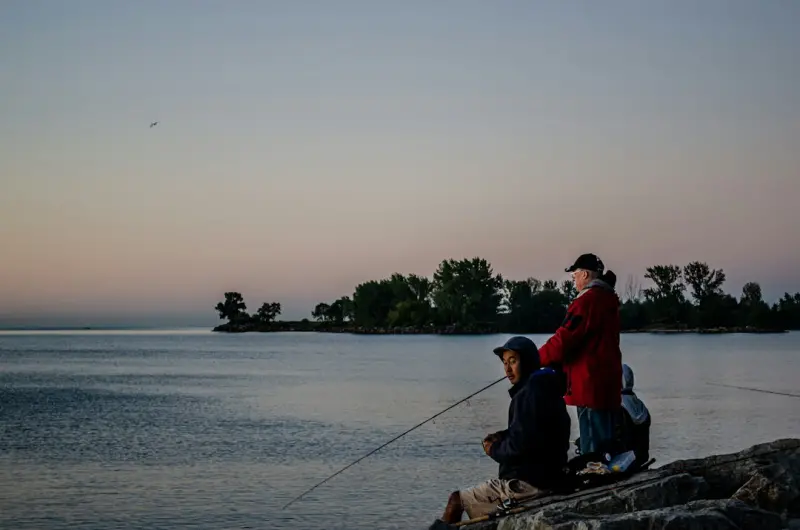
Reeling in the Future: Data‑Driven Angling on Ontario’s Lakes
Ontario anglers are turning to data, sensors, and community platforms to fish smarter and protect th... Read More
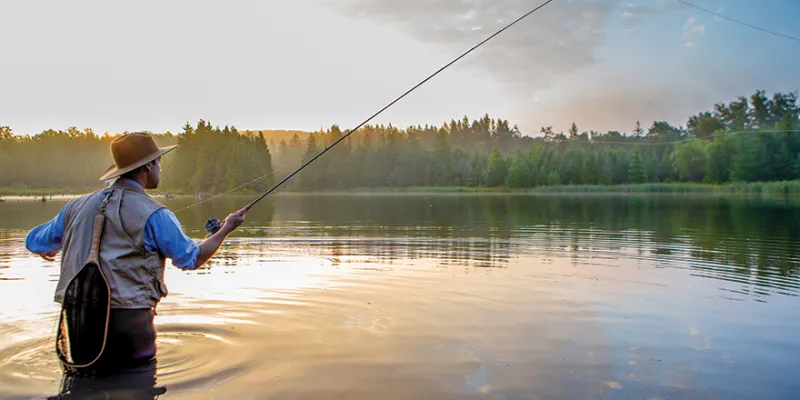
Ontario Fishing: Reel in Family Fun and Create Lasting Memories
Ontario, a province renowned for its breathtaking landscapes and vast network of pristine waterways,... Read More
Top Posts
The Front Porch Renaissance: Turning Canadian Porches into Community and Climate Assets
Canadian front porches are being reimagined as multi‑functional hubs that foster community interaction, support sustainable living, and even spark micro‑ent...Read More

Why Canada’s National Digital ID Could Redefine SaaS Playbooks
A federal digital identity platform promises frictionless onboarding, granular access control, and built‑in compliance for Canadian SaaS companies. This post ...Read More

Conversational Commerce: Turning Every B2B Interaction Into a Revenue Engine
A deep dive into conversational commerce for B2B marketers, covering design principles, metrics, integration tactics, and a quick six‑week rollout plan to tra...Read More

From Basement to Big Screen: How Canada’s Community Film Clubs Are Rewriting the Entertainment Playbook
Community film clubs are turning modest spaces into cultural hubs, spotlighting local and Indigenous voices while blending technology and community spirit to re...Read More
0 Comments
Post Comment
You will need to Login or Register to comment on this post!