
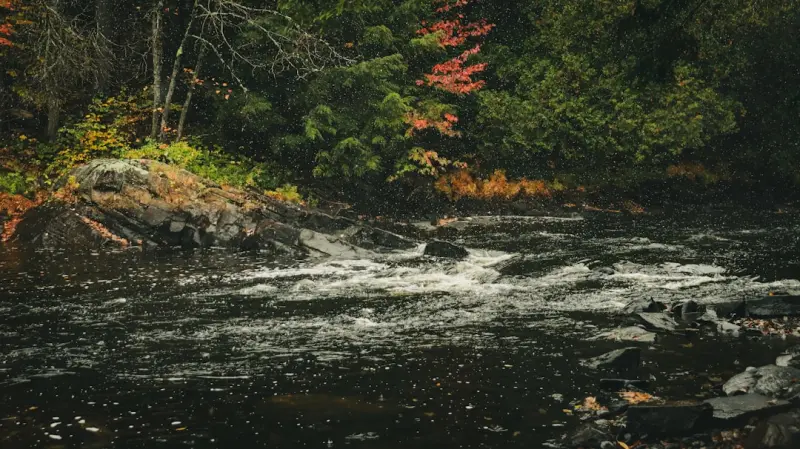
Why Ontario’s Lesser‑Known Waterways Deserve Your Attention
When most anglers think “Ontario fishing,” the mind instantly jumps to the iconic Lake Erie shoreline or the famed Muskoka lakes. Those spots are undeniably spectacular, but the province hides a network of smaller rivers, creeks, and backwaters that most guidebooks overlook. These hidden corridors hold thriving populations of trout, bass, and pike, often with far fewer boats, less pressure, and a deeper sense of solitude. For the angler who craves discovery over crowds, chasing these secret streams is like finding a new language in a familiar place.
Mapping the Hidden Corridors: Tools & Tactics
The first step is knowing where to look. While a paper topographic map still has its charm, modern smartphones give us the power of GIS layers, satellite imagery, and crowd‑sourced fishing reports at a tap. Apps that overlay water temperature, depth contours, and even recent rainfall patterns can help you pinpoint the riffles where trout love to hide after a storm. Don’t forget to check provincial open‑data portals for community‑powered conservation initiatives that often publish stream health metrics. Combining these digital clues with a classic “walk‑the‑bank” mindset turns a random paddle into a purposeful hunt.
Seasonal Shifts: When to Target Specific Species
Ontario’s rivers are a living calendar. In early spring, melt‑water floods create a surge of insects, coaxing brook and brown trout into the shallows for a feeding frenzy. By late May, the water cools enough for smallmouth bass to set up near the deeper pools, while walleye start to migrate upstream for spawning. Summer brings a midday lull; early mornings and evenings become prime for “night‑crawling” where catfish and pickerel roam the low‑light corridors. Come fall, the drop in temperature triggers a second trout rush, and the leaf‑laden banks provide perfect cover for ambush predators. Understanding these rhythms lets you match the right lure to the right moment, dramatically boosting your catch rate.
Respectful Angling: Learning from Indigenous Stewardship
Before you cast, take a moment to recognize the centuries‑old relationship Indigenous peoples have cultivated with Ontario’s waterways. Their stewardship principles—respect, reciprocity, and sustainable harvest—are more than cultural anecdotes; they are practical guidelines that keep ecosystems healthy. The Indigenous stewardship of Ontario’s waterways emphasizes catch‑and‑release for trophy fish, seasonal closures that protect spawning runs, and the use of traditional, non‑invasive gear. By incorporating these practices, you not only honor the land’s history but also contribute to its long‑term vitality.
Gear Up for the Chill: Cold‑Weather Fishing Hacks
Ontario’s fishing season doesn’t end when the temperature dips below zero. Ice‑fishing on the Great Lakes gets the headlines, but many river anglers enjoy “winter tail‑gating” on frozen tributaries. Staying warm is essential, and a good lesson comes from home‑tech: the same principles that make a house “winter‑ready” can be adapted to your portable setup. Insulated, wind‑proof outer layers, heated hand‑warmers, and a compact, battery‑powered heater for your seat are game‑changers. For deeper insights on managing cold‑weather comfort, see how smart‑home tech can keep you cozy on the ice in staying warm on the ice.
Choosing the Right Lure for Hidden Currents
In clear, low‑flow streams, subtlety beats flash. Tiny nymphs, micro‑spoons, and soft plastics that mimic mayfly or caddisfly larvae are often more effective than the classic crankbait. When you’re navigating a deeper riffle where currents swirl, a weighted spinner or a jig with a small blade can hold the line in the right stratum without spooking wary fish. Experiment with natural colors—olive, brown, and muted greens—especially in heavily vegetated sections where bright hues can trigger a predator’s wariness.
Finding the “Secret” Spots: Talk to Locals
Even the best satellite view can’t replace the anecdotal wisdom of a seasoned local. Small towns like Pembroke, Huntsville, and Sault Ste. Marie host angling clubs that meet at community halls, brew coffee, and trade tales of “the one that got away.” Attend a meeting, bring a fresh bag of coffee beans, and you’ll often hear about a hidden backwater or a newly stocked tributary that hasn’t hit the mainstream radar. These word‑of‑mouth gems are the lifeblood of a truly exploratory fishing experience.
Conservation Through Participation: Citizen Science
Ontario’s Ministry of Natural Resources runs several citizen‑science programs where anglers can log catch data, water quality readings, and invasive species sightings. By contributing your observations, you help build a richer dataset that informs future management decisions. The more anglers participate, the stronger the feedback loop between recreation and stewardship. It’s a modest act—entering a few numbers after a day on the water—but its collective impact is profound.
From Day Trip to Multi‑Day Adventure
One of the joys of exploring lesser‑known waterways is the possibility of turning a single outing into a mini‑expedition. Pack a lightweight tarp, a portable stove, and a dry‑bag of supplies, and you can camp along a riverbank that’s only accessible by canoe or a rugged back‑road. Wake up to the sound of water over rocks, cast before sunrise, and spend the day hunting different species as the sun moves across the sky. The intimacy of a backcountry setting deepens your connection to the water and heightens the reward of each catch.
Balancing Technology and Tradition
While digital tools enhance discovery, the core of Ontario fishing remains tactile and sensory. Feel the tug of a line, listen for the splash of a trout, and watch the ripple of a current shift as a fish passes. Use technology as a compass, not a crutch. A well‑placed GPS coordinate can guide you to a promising bank, but the decision to cast—based on wind direction, cloud cover, and water clarity—still belongs to the angler’s instincts.
Future Trends: Sustainable Gear and Local Economies
Manufacturers are responding to the growing demand for environmentally conscious gear. Biodegradable fishing lines, lead‑free weights, and reels built from recycled aluminum are becoming more common. Supporting these brands helps reduce the ecological footprint of each outing. Moreover, buying locally‑crafted lures and gear supports small businesses in the very towns that steward these waterways, creating a virtuous cycle of economic and environmental health.
Conclusion: Embrace the Unknown
Ontario’s famed lakes are just the surface of a deeper, richer angling landscape. By venturing off the beaten path, you’ll discover hidden ecosystems, forge new community ties, and experience the pure thrill of finding a pristine spot that feels like your own secret. Pack your gear, respect the water, and let the province’s lesser‑known rivers rewrite your definition of a perfect catch.

Related Posts

Ontario’s Hidden Lakes: A Modern Angler’s Guide to Uncharted Waters
Dive into Ontario’s lesser‑known fishing spots, leveraging tech, Indigenous wisdom, and citizen ... Read More

Reeling into Ontario: Seasonal Secrets Every Angler Should Know
Discover Ontario's year‑round fishing secrets, from spring walleye runs to hidden winter ice holes... Read More

Tech‑Enhanced Angling: How Data, Drones, and Wearables Are Revolutionizing Ontario Fishing
Ontario anglers are embracing apps, drones, and smart gear to boost catch rates, protect fish stocks... Read More
Top Posts

Mixing Ocean Waves with Open‑Road Stories: A Guide to Dual‑Mode Travel
Discover how to combine cruise excursions with curated bus tours, creating a richer, eco‑friendly travel experience that maximizes culture, savings, and story...Read More

When Sound Becomes a Secret Ingredient: Tuning Your Taste Buds
Discover the science behind sonic pairings and learn practical ways to use music and sound to amplify flavors at home or in a restaurant, creating a multisensor...Read More

Redefining Prom & Graduation: DIY Glam on a Shoestring Budget
Learn how to create stunning, personalized prom and graduation looks on a shoestring budget using DIY hacks, community resources, and clever tech tricks for unf...Read More

Redefining the Cost of Living: Beyond Bills and Rent
The cost of living isn’t just rent and groceries. Dive into the hidden expenses—social isolation, subscription fatigue, and always‑on culture—and discov...Read More
0 Comments
Post Comment
You will need to Login or Register to comment on this post!