
From Soil Sensors to Solar Grids: The Digital Renaissance of Canadian Farming
When I first grew up watching my grandfather coax life from the red earth of the Prairies, farming was a matter of intuition, hard work, and the occasional prayer. Today, that same land is humming with data streams, satellite imagery, and micro‑generators that power irrigation pumps on a sunny afternoon. As a third‑generation farmer turned tech‑enthusiast, I’m witnessing a transformation that feels less like a trend and more like a necessary evolution. This is the story of how Canadian farmers are leveraging data, renewable energy, and community collaboration to build farms that are resilient, profitable, and environmentally sound.
The Data Deluge: From Guesswork to Precision
For decades, crop decisions were based on experience—when to plant, when to spray, when to harvest. That approach served us well, but climate variability and market pressures have stretched its limits. Enter predictive SaaS platforms that translate raw sensor data into actionable insights.
Imagine a network of soil moisture probes, weather stations, and drone‑captured NDVI (Normalized Difference Vegetation Index) maps feeding a cloud‑based model that tells you exactly how much water each hectare needs, down to the liter. The model accounts for upcoming weather fronts, soil type, and even the historical yield patterns of that exact field. The result? Water savings of up to 30%, a reduction in fertilizer runoff, and a tighter margin between input cost and market price.
But it’s not just about efficiency. Data also opens doors to new revenue streams. By aggregating anonymized field performance metrics, cooperatives can negotiate better contracts with grain handlers, proving that their farms consistently meet quality benchmarks. Some provinces are even piloting “soil health credits” that reward farmers for building organic matter, verified through sensor‑based carbon measurements.
Renewable Energy: Turning Farmstead into Powerhouse
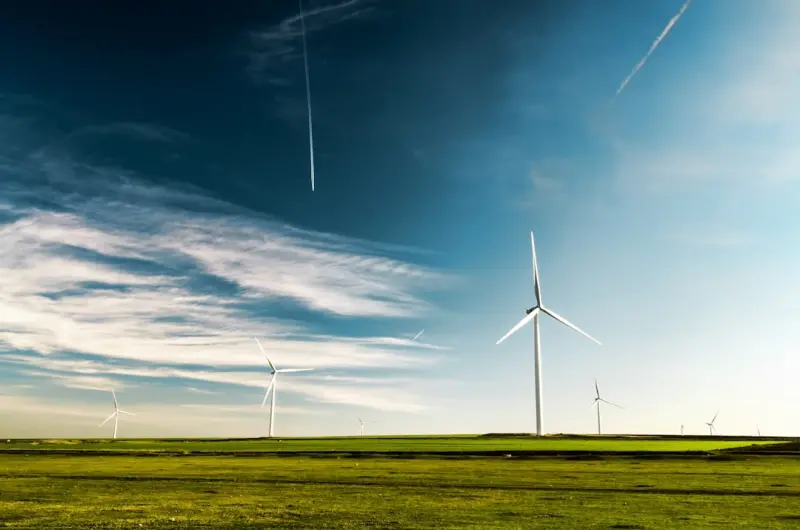
While data gives us the intelligence to do more with less, renewable energy supplies the muscle. Solar panels perched on barn roofs, wind turbines dotting the horizon, and biogas digesters turning manure into electricity—these aren’t sci‑fi concepts; they’re daily reality on many Canadian farms.
Take the example of a mixed‑crop farm in Southern Ontario that installed a 250‑kilowatt solar array last spring. The system now powers irrigation pumps, grain dryers, and even the farmhouse heating system during the harsh winter months. Surplus electricity is fed back into the grid, generating a modest but reliable income stream that offsets equipment depreciation.
Beyond the economics, renewable installations improve farm resilience. When a severe storm knocked out power in parts of the Maritimes, farms with on‑site generation kept their cold storage units running, protecting thousands of dollars worth of produce. That kind of self‑sufficiency is becoming a non‑negotiable component of modern farm planning.
Community Power and Collaborative Models
One of the most exciting developments is the rise of community‑owned energy projects that allow multiple farms to pool resources and share the benefits of renewable installations. By banding together, small‑scale operators can achieve economies of scale that were previously only accessible to large agribusinesses.
Through initiatives highlighted in community power, farmers collectively finance a wind turbine that sits on neutral ground between their properties. The turbine supplies electricity to each participating farm, with excess power sold back to the grid. The revenue is split proportionally, reducing each farm’s operating costs and providing a predictable cash flow that can be reinvested in technology upgrades.
These cooperative models also foster knowledge exchange. When one farmer discovers a more efficient irrigation schedule, the data is shared across the network, instantly raising the overall performance of the group. It’s a virtuous cycle where technology, economics, and community reinforce each other.
From Field to Fork: Transparent Supply Chains
Consumers are increasingly demanding traceability—knowing exactly where their food comes from, how it was grown, and the environmental impact of its production. Canadian farmers are meeting that demand head‑on by integrating blockchain‑based traceability platforms into their operations.
Each batch of grain or vegetable is logged into an immutable ledger that records planting dates, input usage, weather conditions, and harvest times. When the product reaches the retailer, a QR code on the packaging lets shoppers view the entire lifecycle, complete with carbon footprint calculations. This level of transparency not only builds consumer trust but also commands premium pricing for sustainably produced goods.
Moreover, traceability data is a powerful negotiating tool. By proving low pesticide usage and high soil organic content, farmers can access niche markets such as organic food service providers and high‑end grocery chains, which often pay a 10–15% premium over conventional products.
Balancing Act: Managing Risks with the hidden levers of Cost Management
While technology promises gains, it also introduces new cost variables—software subscriptions, hardware maintenance, and data security. Understanding the hidden levers that drive overall farm expenses is essential.
- Software Licensing: Many predictive platforms charge per acre or per sensor node. Farmers must evaluate ROI carefully and consider open‑source alternatives where feasible.
- Hardware Lifecycle: Sensors and drones have a finite lifespan. Budgeting for regular replacements prevents sudden cash‑flow shocks.
- Data Storage: Cloud storage fees can add up, especially when high‑resolution imagery is retained for multiple seasons. Implementing tiered storage strategies—keeping recent data on fast, expensive storage and archiving older data on cheaper tiers—helps control costs.
By treating technology as an investment rather than an expense, and by continually monitoring these levers, farmers can keep their balance sheets as healthy as their fields.
Human Capital: The New Skill Set for the Modern Farmer
Technology adoption is only as effective as the people who wield it. Today’s farmer needs a blend of agronomy knowledge, data analytics, and basic coding literacy. Many provinces are responding with training programs that blend field experience with classroom instruction on GIS mapping, machine learning basics, and renewable energy system design.
Universities and community colleges now offer micro‑credentials in “Digital Agriculture.” These short courses focus on practical skills—setting up a LoRaWAN network for sensor communication, interpreting satellite imagery, or configuring an on‑farm micro‑grid. For seasoned farmers, the learning curve can be steep, but the payoff is tangible: higher yields, lower input costs, and a stronger voice in policy discussions.
Policy Landscape: Supportive Measures and Future Directions
Federal and provincial governments are gradually aligning policy with the needs of a high‑tech agricultural sector. Incentives such as accelerated capital cost allowance (CCA) for renewable energy equipment, grants for precision agriculture trials, and tax credits for data‑sharing initiatives are already in place in several jurisdictions.
Looking ahead, there’s a push for a national “Agriculture Data Trust” that would allow farmers to pool anonymized data for collective bargaining with tech providers while safeguarding privacy. Such a framework could lower the barrier to entry for small farms, ensuring that the benefits of digital agriculture are distributed equitably across the country.
Case Study: A Prairie Farm’s Journey from Traditional to Tech‑Enabled
To illustrate the transformative potential, let’s walk through the experience of a 400‑acre mixed grain and cattle operation in Saskatchewan.
- Baseline Assessment: The farm began with a traditional water‑budgeting method based on historical rainfall averages. Yield variability was high, and water usage peaked during dry spells.
- Sensor Deployment: Soil moisture probes were installed at 30 strategic points, connected via a low‑power wide‑area network (LPWAN) to a central dashboard.
- Data Integration: The farmer subscribed to a predictive SaaS platform that integrated sensor data with satellite weather forecasts, generating irrigation recommendations each morning.
- Renewable Upgrade: A 100‑kilowatt wind turbine was added, powering the irrigation pumps and reducing grid electricity consumption by 45%.
- Community Collaboration: The farm joined a local cooperative that pooled resources to purchase a shared solar array, further lowering electricity costs.
- Outcome: Over three growing seasons, the farm saw a 22% increase in wheat yield, a 30% reduction in water usage, and a net increase in annual profit of $75,000. The renewable energy installations paid for themselves within five years.
This case underscores that the marriage of data, renewable power, and collaboration isn’t a distant vision—it’s a practical roadmap that many Canadian farms are already following.
Looking Forward: A Sustainable, Data‑Rich Future
The future of Canadian agriculture is not a binary choice between tradition and technology. It’s an integrated ecosystem where time‑tested farming practices are amplified by modern tools. By embracing data-driven decision making, investing in renewable energy, and fostering community collaboration, farmers can safeguard their livelihoods against climate volatility, market fluctuations, and rising operational costs.
As we stand at this crossroads, the question isn’t “Will we adopt these technologies?” but rather “How quickly can we scale them to ensure that Canada’s farms remain productive, profitable, and sustainable for the next generation?” The answer lies in the collective will of farmers, tech providers, policymakers, and consumers to invest in the tools that will harvest not just crops, but a resilient future.

Related Posts
Turning Soil into Strategy: Data‑Driven Farming on the Canadian Prairies
Canadian farmers are embracing affordable sensor networks and open‑source platforms to turn realâ€... Read More
Powering the Prairies: Turning Farm Land into Renewable Energy Hubs
Canadian farms are embracing solar panels, wind turbines, and biogas digesters to generate clean pow... Read More
The Unsung Heroes of Canadian Agriculture
Canadian farmers work tirelessly to produce the food and products Canadians rely on, but they face n... Read More
Top Posts

Purpose‑Driven Storytelling: The New Engine Behind B2B SaaS Growth
A fresh look at why B2B SaaS marketers must shift from feature‑centric pitches to purpose‑driven narratives, using empathy data, community content, and meas...Read More

Reclaiming Your Health: The Power of a Digital Detox
Learn why constant screen time harms your health and how simple digital‑detox strategies can restore focus, improve sleep, and boost overall wellbeing....Read More
Beyond the Bite: Crafting a Sustainable Fishing Journey in Ontario
A deep dive into sustainable Ontario fishing, exploring catch‑and‑release ethics, Indigenous wisdom, foraging, tech tools, and community initiatives for a r...Read More

Strategic Partnerships: The Untapped Engine Driving SaaS Growth
Strategic partnerships are the hidden engine behind SaaS success, enabling expanded reach, richer product suites, and shared risk. Learn how to build, measure, ...Read More
0 Comments
Post Comment
You will need to Login or Register to comment on this post!