
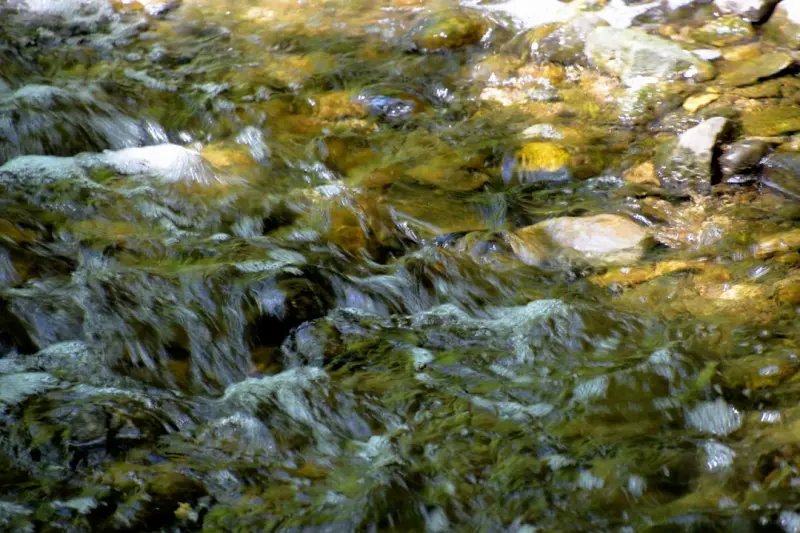
Opening the Spring Rivers
The first light of May finds me on the gravel bank of the Thames River, a ribbon of water most Ontarians overlook in favor of the famed Great Lakes, and I pause to listen to the soft chorus of loons, the distant hum of a passing tractor, and the subtle splash of a brook trout testing the current; this quiet tableau teaches me that the true magic of Ontario fishing isn’t measured in trophy‑size pike but in the intimate dialogue between water, sky, and the patient angler who watches each ripple as a possible invitation. My weather‑worn notebook, stained with ink and maple leaf sap, now holds a chronicle of sunrise colors, temperature swings, and the minute adjustment of a feather‑weight jig that finally convinced a wary walleye to bite, a reminder that every hidden river corridor harbors a story waiting for a curious cast and a willingness to linger longer than the weekend rush.
Urban Shoreline Adventures
Toronto’s harbour might look like a concrete‑lined commuter route, yet at low tide the battered wooden docks transform into a surprisingly productive shoreline where silver carp and northern pike mingle beneath the glow of city lights, and I have learned to carry a compact rod, a collapsible chair, and a reusable water bottle to enjoy a sunrise that feels both metropolitan and wild; the convenience of parking just a few blocks from the water means that even a weekday afternoon can become an impromptu escape, and the camaraderie among the few fellow anglers—who exchange tips over coffee from a nearby kiosk—creates a micro‑community that feels more like a family gathering than a solitary pursuit. This urban fishing experience has taught me that great catches are not limited to remote backcountry lakes, but can be found wherever the water meets the streets, as long as you bring curiosity, a light tackle kit, and a respectful attitude toward the shared public space.
Sustainable Tactics and Tiny Experiments
In recent seasons I have swapped out traditional lead sinkers for biodegradable alternatives, a shift that not only reduces environmental impact but also subtly changes the way my bait behaves, and I credit this evolution to a habit of experimenting with new lures much like a small business testing market ideas; each week I choose one variable—be it hook size, line color, or retrieval speed—and record the outcome, allowing data‑driven decisions to guide my approach rather than gut feeling alone. The results have been enlightening: a simple switch to a bright‑orange, feather‑tipped jig during overcast mornings increased my bite rate by nearly twenty percent, and the practice of releasing each fish with a wet hand and a brief pause to let it regain strength has become a ritual that underscores my commitment to catch‑and‑release ethics. By treating every outing as a series of controlled experiments, I not only improve my personal success but also contribute to a broader culture of responsible angling that protects Ontario’s waters for generations to come.
Drone‑Assisted Scouting
The rise of affordable drones has opened a new frontier for anglers willing to blend technology with tradition, and I have taken to launching a lightweight quad‑copter at dawn to capture aerial footage of river bends, submerged logs, and surface disturbances that hint at fish activity, all while respecting privacy regulations and keeping the device at a safe altitude to avoid disturbing wildlife; the high‑resolution video, when reviewed on a laptop later in the day, reveals patterns such as eddies where minnows congregate, providing a strategic map that guides where I cast my line later that afternoon. While some purists may argue that this advantage detracts from the “purity” of the sport, I view it as a modern extension of the age‑old practice of scouting a river from the shore, and the drone’s eye simply offers a broader perspective that can be used responsibly to reduce time spent “fishing blind.” As battery life improves and software becomes more intuitive, I anticipate that drone‑assisted scouting will become a standard tool for Ontario anglers seeking to maximize both efficiency and environmental stewardship.
Family‑Friendly Day Trips
One of my favorite traditions is packing a cooler, a simple lunch, and a set of kid‑size rods for a Saturday adventure to the quiet shores of the Nottawasaga River, where the gentle current is perfect for teaching children how to cast, reel, and respect the water, and I always start the day with a short safety briefing that covers hook handling, proper footwear, and the “leave no trace” principle, ensuring that the excitement of a first bite is balanced with responsibility. The shoreline there offers shallow pools ideal for spotting rainbow trout, and while the fish may be modest in size, the shared triumph of a youngster landing a glimmering silver catch creates memories that last far longer than any trophy; we celebrate each success with a homemade snack of maple‑glazed crackers, a nod to the province’s culinary heritage, and we end the trip by cleaning the site, collecting any stray line or trash, and teaching the kids to thank the river for its generosity. These family outings not only nurture a love for the outdoors but also embed a conservation ethic that will guide the next generation of Ontario anglers.
From River to Table: Ontario Flavors
After a rewarding day on the water, I love to transform the freshly caught fish into a simple yet elegant dinner that highlights the province’s seasonal bounty, and one of my go‑to recipes involves pan‑searing a fillet of smallmouth bass in butter, finishing it with a splash of locally produced apple cider, and sprinkling chopped wild garlic harvested from the shoreline’s edge, a flavor combination that echoes the crispness of autumn air even in early summer; the key is to let the natural taste of the fish shine while complementing it with herbs that grow naturally along Ontario’s riverbanks, a practice that also supports sustainable foraging. For an inviting atmosphere, I often arrange a small table near a window that lets in the soft, golden glow described in seasonal lighting guides, creating a cozy setting where friends can share stories of the day’s catches and toast to the water’s generosity. This farm‑to‑fork experience reinforces the intimate connection between the act of fishing and the pleasure of savoring the harvest, reminding us that the true reward of angling extends far beyond the moment the line tightens.
Smart Savings for Gear
Equipping yourself for a season of Ontario fishing doesn’t have to drain the bank account, and I have discovered that treating each purchase as a small experiment—testing a budget reel for a month before committing to a premium model—mirrors the same analytical mindset I apply on the water, allowing me to identify the gear that truly adds value; resources like community swap meets, online classifieds, and local tackle shop clearance racks become treasure troves where a gently used rod can be purchased for a fraction of its retail price, especially when you pair these finds with a clear budget plan. For those who enjoy a bit of DIY, refurbishing an old tackle box with fresh foam inserts or repurposing a sturdy backpack as a fishing vest can extend the life of existing equipment while keeping costs low, and the satisfaction of crafting your own setup adds an extra layer of personal pride to each outing. By approaching gear acquisition with the same strategic thinking outlined in budget‑savvy shopping tips, anglers can enjoy high‑quality experiences without compromising financial health.
Capturing the Moment: Photo Storytelling
In the age of social media, a well‑composed photograph can amplify the joy of a successful cast and inspire fellow anglers to explore new waters, and I have learned to treat each shot as a narrative fragment—focusing not just on the fish, but on the surrounding landscape, the play of light on the water, and the tactile details of a weathered rod hand‑grip, all of which convey the atmosphere of the moment; using a modest DSLR or even a smartphone with a macro lens, I frame the scene with the rule of thirds, ensure the horizon is level, and wait for that split‑second when a trout breaks the surface, creating a splash that becomes a visual punctuation mark. Post‑processing is kept minimal to preserve authenticity, and I add concise captions that share a tip or a personal reflection, encouraging engagement without turning the feed into a sales pitch. By consistently sharing high‑quality images and stories, I contribute to a vibrant online community that celebrates Ontario’s diverse fishing locales and motivates newcomers to respect and protect the ecosystems that make these adventures possible.
Closing the Loop: Respect, Explore, Share
Ontario’s waterways are a living tapestry of habitats, histories, and possibilities, and each time I cast a line I am reminded of the responsibility we all share to keep these rivers clear, the fish populations healthy, and the surrounding lands thriving for the generations that will follow; whether you are a seasoned fly‑fisher, a weekend urban angler, or a family seeking a day of bonding by the shore, the principles of sustainability, curiosity, and community remain constant guides that turn a simple hobby into a meaningful stewardship practice. I invite you to venture beyond the familiar lakes, try a new technique, and document your journey—because the more stories we exchange, the richer Ontario’s fishing legacy becomes, and together we can ensure that the whisper of the water continues to echo across the province’s landscapes for years to come.

Related Posts

Lake Legends: Fresh Perspectives on Ontario Fishing
From gear upgrades to seasonal tactics and sustainable practices, this guide offers fresh insights f... Read More

Ontario’s Seasonal Fishing Playbook: Timing, Tactics, and Tradition
A guide to mastering Ontario’s seasonal rhythms, from water‑temperature cues to ethical catch‑... Read More
Fishing with a Conscience: Sustainable Practices on Ontario’s Lakes and Rivers
Discover how to fish responsibly in Ontario with sustainable gear, catch‑and‑release techniques,... Read More
Top Posts

Dynamic Pricing: Turning Restaurant Menus Into Real‑Time Revenue Engines
Dynamic pricing lets restaurants adjust menu prices based on demand, weather, and inventory, unlocking new revenue streams while reducing waste and enhancing gu...Read More

Chasing the Midnight Bite: Ontario’s Hidden Night Fishing Gems
Discover Ontario’s hidden lakes perfect for night fishing, from essential gear to sustainable practices and secret spots that only the darkness reveals....Read More
Data‑Driven Harvests: Canadian Farmers Embrace the Cloud
A first‑person look at how cloud‑based technology, AI, and cooperative data sharing are transforming Canadian agriculture, delivering higher yields, lower c...Read More

Get Ready to Dive into Deliciousness: Poutine Feast Ontario is Back!
Hey poutine lovers! Get your forks ready because the most Canadian food festival is back on the road again! That's right, Poutine Feast Ontario Inc. is hitting ...Read More
0 Comments
Post Comment
You will need to Login or Register to comment on this post!