
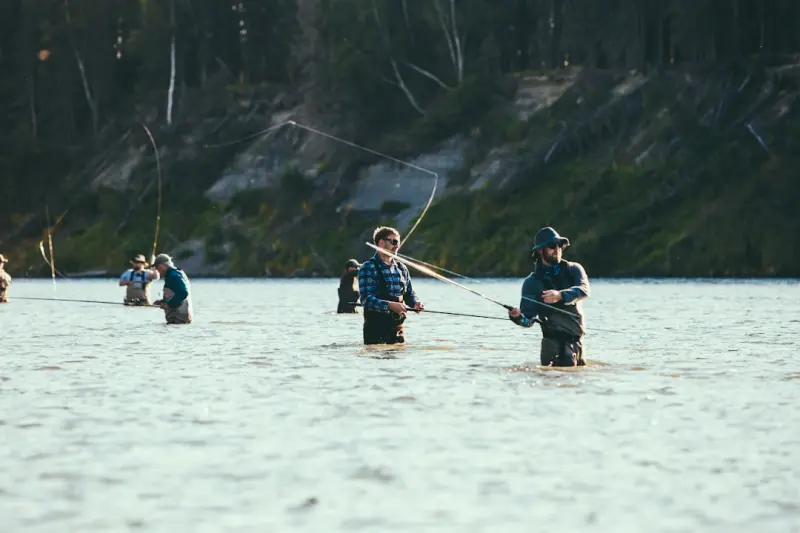
Reimagining the Ontario Angler: A Journey Toward Sustainable, Soul‑Fueling Fishing
When I first cast a line on the mist‑kissed shores of Lake Simcoe, I was chasing trophies—big bass, hefty pike, that one brag‑worthy monster that would earn me a spot at the local dockside grill. Over the years, that chase has softened into something richer: a deep respect for the waters, the ecosystems that sustain them, and the stories they whisper to anyone willing to listen. In this piece, I’m pulling back the curtain on the quieter, more intentional side of Ontario fishing—where patience, stewardship, and community intertwine to create an experience that feeds the soul, not just the stomach.
Why “Catch‑and‑Release” Isn’t Just a Trend, It’s a Responsibility
Ontario’s lakes and rivers host an astonishing diversity of species: lake trout in the deep, cold waters of the French River, walleye that glide beneath the summer heat of Lake Nipissing, and the ever‑curious smallmouth bass that patrol the rocky coves of the Kawarthas. Each of these fish has a role in a delicate food web that has evolved over millennia. When we think about “catch‑and‑release,” it’s easy to reduce the practice to a simple technique—hook, reel, snap a photo, let go. But the reality is far more nuanced.
- Gear selection matters. Using barbless hooks or hooks with a short shank reduces tissue damage, giving fish a better chance of survival.
- Handling technique is crucial. Wet your hands before touching the fish, avoid squeezing the gills, and keep the fish out of water for no more than 15 seconds.
- Water temperature plays a role. In colder water, fish’s metabolism slows, and they can survive longer out of water; in warm water, stress escalates quickly.
Adopting these habits turns every outing into a conservation act. It’s a mindset shift: the goal isn’t just the trophy, but the ongoing health of the fish population for future anglers.
Indigenous Wisdom: Learning the Land (and Water) From Those Who’ve Been Here Forever
Ontario’s waterways have been a lifeline for Indigenous peoples for thousands of years. Their knowledge of seasonal runs, spawning grounds, and respectful harvesting practices is a living library that modern anglers can—and should—tap into. Many First Nations communities have shared that the best time to fish isn’t dictated by a calendar, but by reading the water’s pulse: the rise of certain insects, subtle changes in water clarity, or the scent of ripening berries along the shore.
For instance, the Anishinaabe teach that “the lake gives when you give thanks.” Before casting, a simple acknowledgment—a quiet moment of gratitude—sets a tone of reciprocity. This practice not only honors the cultural heritage of the region but also deepens an angler’s connection to the environment.
Seasonal Foraging: Pairing Your Catch With Wild Edibles
Ontario’s forests and wetlands are a pantry of their own. When you pair a freshly caught trout with locally foraged ramps (wild leeks) or sautéed fiddleheads, you’re creating a culinary narrative that spans land and water. Here’s a quick guide to some of the most accessible wild edibles you’ll find near popular fishing spots:
- Ramps (Allium tricoccum) – Found in rich, moist woods in spring. Their garlicky flavor complements a simple butter‑pan sear.
- Fiddleheads (Matteuccia struthiopteris) – Harvested in early spring before they unfurl. They add a crisp texture when tossed with a lemon‑herb vinaigrette.
- Wild blueberries (Vaccinium angustifolium) – Ripen in late summer, perfect for a dessert sauce drizzled over pan‑fried perch.
When you blend the flavors of your catch with the bounty of the shoreline, you’re not just cooking a meal—you’re telling a story of place.
Tech‑Enhanced Angling: How Apps and Data Are Changing the Game
Even the most traditional anglers can benefit from a little digital assistance. A handful of smartphone apps now offer real‑time water temperature maps, fish activity forecasts, and even satellite imagery of shoreline structure. By syncing your GPS with historic catch data, you can pinpoint likely hotspots without trampling untouched habitats.
One of my favorite tools is an open‑source platform that crowdsources angler reports. When someone tags a location with “early spring walleye bite,” you get an instant alert, allowing you to plan a trip that aligns with natural patterns rather than guesswork. It’s a modern twist on the age‑old practice of “talking to the river,” only now the river talks back through data.
Community Spotlights: Small Lakes, Big Impact
While the big lakes often dominate headlines, Ontario’s smaller bodies of water—think the tranquil ponds of the Haliburton Highlands or the hidden coves of the Eastern Townships—hold vibrant fishing communities. These places are where stewardship is most palpable. Local anglers band together to monitor invasive species like the zebra mussel, organize shoreline clean‑ups, and host “catch‑and‑release” tournaments that fund habitat restoration.
Take the community at Lake St. Clair: a handful of dedicated volunteers set up a seasonal “Fish‑First” clinic, where novices learn proper handling, knot tying, and the ethics of releasing. Their success stories ripple outward, inspiring neighboring towns to launch similar programs. When you fish in these intimate settings, you’re part of a living, breathing network of guardians.
Gear That Gives Back: Choosing Sustainable Equipment
Beyond technique, the gear you bring can either harm or help the environment. Look for manufacturers that use recycled materials for rods and reels, or that partner with conservation NGOs. Some companies even embed a portion of every sale into local fishery restoration projects—a win‑win for anglers and ecosystems alike.
If you’re unsure where to start, check out the latest gear insights that highlight environmentally‑friendly lines and tackle. Choosing responsibly sourced line reduces micro‑plastic pollution, a growing threat to water quality across the province.
Mindful Moments: The Meditative Power of the Cast
Fishing, at its core, is an invitation to slow down. The rhythmic pull of the line, the gentle lapping of water against the boat, the sunrise painting the horizon—these are the moments that reset our internal clocks. Studies have shown that time spent near water can lower cortisol levels, improve focus, and even boost creative thinking.
Make it a habit to pause before each cast. Take three deep breaths, feel the weight of the rod, listen for the subtle sounds of the ecosystem. This simple ritual transforms a day on the water into a therapeutic practice, one that carries benefits far beyond the shoreline.
Planning Your Sustainable Fishing Adventure
Here’s a step‑by‑step checklist to ensure your next Ontario fishing trip aligns with the principles discussed:
- Research local regulations. Each lake may have specific size limits, catch‑and‑release mandates, or seasonal closures.
- Choose eco‑friendly gear. Opt for barbless hooks, biodegradable lures, and rods made from recycled composites.
- Connect with community groups. Reach out to local clubs or conservation societies—many post updates on invasive species alerts and habitat projects.
- Incorporate foraging. Pack a small basket for ramps or berries you spot along the way.
- Leverage technology responsibly. Use apps for data, but avoid over‑mapping that could lead to crowding sensitive spots.
- Practice mindful casting. Treat each throw as a meditation, focusing on breath and intention.
- Document, then release. Capture a photo, note the conditions, then gently release the fish to keep the population thriving.
Stories From the Shore: Voices That Inspire
One of the most rewarding parts of my angling journey is hearing the stories of fellow fishers who’ve embraced this holistic approach. I recently chatted with Maya, a veteran angler from the Muskoka region who has shifted her focus from trophy hunting to “ecosystem fishing.” She now spends her weekends teaching youth about catch‑and‑release, and her lake’s walleye population has risen by 15% over the past three years.
Another inspiring tale comes from Liam, a retired carpenter who turned his love of fishing into a small business offering guided “wild‑edible” trips. Participants learn to harvest ramps, identify safe mushrooms, and catch fish responsibly—all while supporting local conservation initiatives.
These narratives echo a larger movement: Ontario anglers are redefining success, measuring it not by the size of the fish, but by the health of the water and the richness of the community bonds they forge.
The Road Ahead: Advocacy and Policy
While individual actions matter, systemic change is essential for lasting impact. Engaging with provincial policymakers on issues like habitat protection, invasive species control, and funding for research can amplify our collective voice. Attend town hall meetings, sign petitions, or even write a short op‑ed for your local paper. When you align your personal stewardship with broader advocacy, you help shape a future where Ontario’s waters remain abundant for generations.
For those interested in a deeper dive into the policy arena, the recent analysis on women’s evolving role in the fishing community highlights how inclusive governance can drive more resilient fisheries. The same principles apply across gender, age, and cultural lines—diverse voices lead to stronger, more adaptive management.
Final Thoughts: The Legacy We Cast
Fishing in Ontario is more than a pastime; it’s a stewardship journey that ties us to the rhythm of the land, the pulse of the water, and the stories of those who came before us. By embracing catch‑and‑release ethics, learning from Indigenous wisdom, pairing our catches with wild foraged foods, and leveraging technology responsibly, we can ensure that the lakes and rivers we love continue to thrive.
Next time you feel the tug on your line, pause and consider the ripple effect of that moment. Your actions, however small, contribute to a larger tapestry of conservation, community, and connection. Cast wisely, release kindly, and let the water’s song guide you toward a more sustainable future.

Related Posts
High-Tech Angling: How Modern Gadgets Are Transforming Ontario Fishing
From smartphone apps that identify species in seconds to drones that scout hidden reefs, explore how... Read More
Ontario’s Hidden Waters: A Thoughtful Angler’s Journey Through Quiet Lakes and Rivers
Dive into Ontario’s hidden fishing gems, blending sustainable gear, tech, and Indigenous wisdom fo... Read More

Unlocking Ontario’s Indigenous Fishing Wisdom: A Modern Guide
Discover the timeless principles of Indigenous fishing in Ontario, learn practical ways to incorpora... Read More
Top Posts

Beyond Sightseeing: Embracing Regenerative Tourism for Deeper Impact
Regenerative tourism transforms trips from passive sightseeing into active contributions. Learn how to choose accommodations, engage in community projects, and ...Read More

Indigenous Governance Meets Federal Power: A New Chapter for Canadian Politics
Indigenous governance is reshaping Canada's political landscape, driving new fiscal arrangements, legislative reforms, and collaborative policy labs that promis...Read More

Parental Warning: How Immersive VR Play Is Shaping Kids’ Perception of Reality
Virtual reality dazzles kids, but its immersive pull can blur reality, affect health, and create hidden financial traps. Discover how parents can navigate these...Read More

How AI is Rewriting the Restaurant Playbook: From Menu Curation to Zero‑Waste Kitchens
The post examines AI-driven menu personalization, predictive waste reduction, ghost kitchens, and immersive dining, offering practical steps for restaurateurs t...Read More
0 Comments
Post Comment
You will need to Login or Register to comment on this post!