
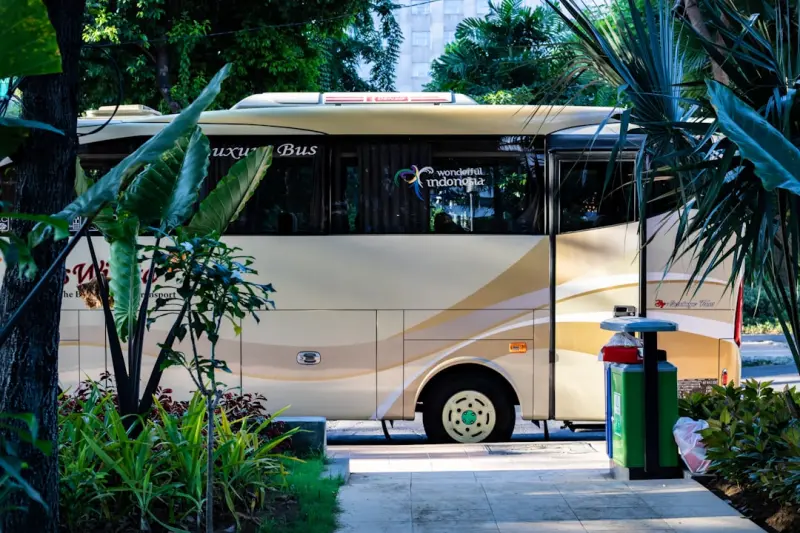
When I first stepped aboard a mega‑cruise liner, the horizon felt like a static postcard: endless blue, endless decks, endless buffets. Fast forward a few years, and I’m on a sleek, solar‑powered bus cruising the Canadian Rockies, swapping stories with a fellow traveler via a live data feed that tells us exactly when the next waterfall will appear on our route. The line between “cruise” and “bus tour” has blurred, and the new frontier isn’t just about where we go—it’s about how we get there, what we leave behind, and the stories we co‑author along the way.
From Passive Sightseeing to Participatory Economies
Traditional travel has always been a one‑way street: the operator sells a ticket, you sit back, and the destination is a passive backdrop. Today’s wanderers demand participation. They want their footprints to matter, their dollars to circulate locally, and their data to improve the journey for the next traveler.
Imagine a cruise that doesn’t just dock at a port and disappear into a sea of souvenir shops. Instead, the ship’s itinerary syncs with a digital twin technology model of the coastal town. As the vessel approaches, the twin predicts the exact moment a local fish market will receive its daily catch, and the onboard app nudges passengers to join a pop‑up tasting session. Meanwhile, the bus tour of the same region uses real‑time crowd analytics to adjust its route, ensuring the group arrives just as a community art project is being unveiled, giving travelers a front‑row seat and a chance to contribute a brushstroke.
These moments turn a passive holiday into a collaborative venture, where the traveler becomes a micro‑investor in the culture they’re consuming.
The New Currency: Time and Data
Money still buys a ticket, but time and data have become the currencies that unlock deeper experiences. Operators now collect anonymized data streams—from ship‑wide Wi‑Fi usage to bus seat‑sensor occupancy—and feed them back into predictive models that fine‑tune everything from dining reservations to shore‑excursion capacity.
For the tech‑savvy traveler, this is a goldmine. By granting consent to share their preferences, they receive personalized micro‑itineraries that slot into the larger schedule without causing bottlenecks. A passenger who loves marine biology might get a notification that a research vessel will be conducting a coral‑health workshop at the next port. A bus rider who’s an amateur photographer could receive a prompt to position the bus at a sunrise viewpoint just before the light hits perfectly.
In essence, the journey becomes a living, breathing algorithm that adapts to you, while you, in turn, help the algorithm learn faster for the next wave of travelers.
Powering the Journey: Renewable Energy at Sea and on Road
Environmental stewardship used to be a “nice‑to‑have” checkbox on travel brochures. Now it’s a non‑negotiable part of the itinerary. Cruise lines are investing in renewable tech—from liquefied natural gas (LNG) propulsion to solar arrays that power auxiliary services. Meanwhile, bus operators are rolling out electric and hydrogen‑fuel‑cell fleets that can recharge at solar‑equipped stations strategically placed along scenic routes.
The impact is twofold. First, emissions drop dramatically, preserving the very landscapes that draw tourists in the first place. Second, the visible presence of green tech turns the vessel itself into an educational exhibit. Passengers can peek into the engine room and watch real‑time data on energy consumption, learning how a 30‑megawatt turbine offsets the carbon cost of a week‑long voyage.
These transparent practices build trust and give travelers a sense of agency: you’re not just consuming a destination, you’re helping protect it.
Storytelling on Wheels and Waves
Every great trip is a narrative, but modern tours are turning that narrative into an interactive novel. Augmented reality (AR) overlays, audio guides that sync with GPS, and on‑board workshops that let you become a character in the story are redefining “tour guide.”
On a cruise sailing the Atlantic, an AR headset can transform the deck into a historic shipyard, showing you how sailors once rigged the sails you’re now lounging under. On a bus touring the prairie, the windshield becomes a canvas that projects the migration patterns of the very birds you’re watching outside, complete with a narrated timeline that adjusts based on the bus’s speed.
These layers of narrative make the journey itself a learning experience, turning ordinary moments—like a sunrise over the horizon—into milestones in a larger, shared storyline.
Case Studies: The Coastal Connector and The Riverine Retreat
The Coastal Connector is a hybrid itinerary launched by a forward‑thinking cruise line in partnership with a regional bus network. Passengers spend three days at sea, then disembark for a curated bus adventure that threads together lesser‑known fishing villages, art collectives, and eco‑farms. The program uses a shared digital twin that maps local supply chains, allowing travelers to purchase directly from artisans via a mobile marketplace. The result? A 20% increase in local revenue and a 15% rise in repeat bookings for the cruise line.
The Riverine Retreat takes the opposite approach: a bus tour that culminates in a boutique river cruise. While the bus traverses historic rail corridors, passengers collect “story tokens”—QR codes linked to oral histories recorded by local elders. These tokens unlock exclusive river‑deck experiences, such as a private dinner on a floating garden where the menu is sourced from farms the bus visited earlier in the day.
Both models showcase how integrating cruises and bus tours can create a seamless, value‑rich experience that benefits travelers, operators, and host communities alike.
Practical Tips for Travelers Who Want More Than a Photo Op
- Choose Operators with Transparent Data Policies. Look for companies that publish their data usage reports and offer opt‑in options for personalized experiences.
- Seek Out Renewable‑Powered Vessels. A quick check on the fleet’s energy source can tell you whether you’re sailing on a diesel‑guzzling behemoth or a solar‑augmented marvel.
- Engage with Local Digital Twins. Many destinations now host open‑source twins that the public can explore. Use them to plan side trips that align with community events.
- Bring a Portable AR Device. Even a budget smartphone can unlock layers of storytelling that turn a plain landscape into an interactive museum.
- Support Micro‑Economies. When offered, purchase directly from local vendors through the onboard marketplace rather than the ship’s gift shop.
The Road (and Sea) Ahead
The convergence of cruise ships and bus tours isn’t a fleeting trend; it’s a structural shift driven by three forces: the demand for authentic, impact‑oriented travel; the maturation of data‑driven personalization; and the imperative to decarbonize tourism. As operators continue to experiment with hybrid itineraries, the opportunities for travelers to become co‑creators of their own adventure will only expand.
So next time you hear the call of the ocean or the rumble of a diesel engine on a mountain road, ask yourself: am I just a passenger, or am I a participant in a living ecosystem of stories, data, and sustainable practices? The answer will shape not only the memories you bring home but also the future of travel itself.

Related Posts
Green Gateways: How Cruise Ports and Bus Terminals Are Blossoming into Community Gardens
Travel terminals are transforming into vibrant community gardens, offering fresh produce, educationa... Read More
Charting a Greener Course for Cruises and Bus Tours
A deep dive into how cruise ships and bus tour companies can embed sustainability into fuel, routing... Read More
Across the Horizon: Building Community on Cruises and Bus Tours
Explore how intentional design, shared culinary moments, tech personalization, and sustainable actio... Read More
Top Posts

Reboot Your Health: The Power of Forest Bathing for Urban Wellness
Explore the science behind forest bathing and learn practical steps to integrate nature immersion into a hectic urban lifestyle for lasting health benefits....Read More

Turning the Cost of Living Tide: How Smart Choices Reshape Your Wallet
Explore fresh tactics for tackling higher living expenses, from relocating to lower‑cost cities and applying dynamic pricing to personal budgets, to leveragin...Read More

Parental Warning: The Silent Surge of In‑App Subscription Traps for Kids
A deep dive into how hidden in‑app subscriptions target children, draining family finances and harvesting data, with actionable tips for parents to safeguard ...Read More

Seasonal Nesting: Crafting Cozy Spaces Across Canada’s Climate
A guide to “seasonal nesting” that blends design, habits, and community to keep Canadian homes comfortable and sustainable year‑round, with tips for every...Read More
0 Comments
Post Comment
You will need to Login or Register to comment on this post!