

Pixel Playgrounds: How Canada’s Indie Game Scene is Redefining Entertainment
When I first grew up watching Saturday morning cartoons on a flickering CRT, the idea that a kid from a modest suburb could one day build a world that millions would explore seemed as far‑fetched as landing a rover on the Moon. Fast forward a few decades, and here I am, sipping a cold brew in a downtown Vancouver co‑working space, watching a group of developers in hoodies celebrate the launch of their latest procedurally generated adventure. The landscape has changed, and it’s doing so in a way that feels both exhilarating and oddly familiar.
Canada has always been a cultural mosaic, a place where diverse voices blend to create something richer than the sum of their parts. For years, we’ve celebrated that richness through film festivals, music tours, and literary awards. What’s less talked about, yet equally transformative, is the explosion of indie video games that are turning the country into a global playground for interactive storytelling. From the snow‑capped peaks of Alberta to the neon‑lit streets of Montreal’s Mile End, a new generation of creators is shaping entertainment not just as a passive experience, but as an active, personal journey.
The Roots of a Digital Renaissance
To understand why Canada’s indie game sector is thriving, you have to look at three interlocking forces: government support, community infrastructure, and a cultural appetite for authenticity.
- Policy backing. Programs like the Canada Media Fund and the Ontario Interactive Digital Media Fund have been quietly funneling millions into small studios, offering grants that cover everything from prototype development to marketing. This isn’t just money; it’s a vote of confidence that tells creators, “Your voice matters.”
- Collaborative hubs. Cities such as Toronto, Vancouver, and Montreal have cultivated ecosystems of shared workspaces, hackathons, and mentorship networks. Places like Launchpad in Vancouver or La Guilde des Développeurs in Montreal act as incubators where a programmer from Kelowna can bounce ideas off an artist from Quebec City in real time.
- Audience desire for depth. Gamers worldwide are growing tired of cookie‑cutter AAA titles that prioritize spectacle over substance. They’re seeking narratives that reflect real life—stories about mental health, climate anxiety, indigenous heritage, and the everyday hustle. Canadian indie developers have been quick to answer that call.
All of these ingredients have created a fertile ground where bold concepts can sprout. And the results are nothing short of spectacular.
Stories That Matter: Indigenous Narratives in Play
One of the most compelling trends is the rise of games that foreground Indigenous perspectives. Titles like Dream of the Ancestors and River of Voices are not just entertaining—they’re educational tools that give players a window into First Nations histories, languages, and worldviews. These games are often built in partnership with Indigenous elders and language keepers, ensuring cultural accuracy while also providing a platform for younger community members to learn programming and design.
What’s fascinating is how these games weave traditional storytelling techniques—like the cyclical nature of oral myths—into interactive mechanics. A player might need to navigate a series of seasonal puzzles that echo the cycles of the natural world, learning about the importance of stewardship in the process. It’s a reminder that entertainment can be a bridge, not a barrier, to cultural understanding.
From the Studio to the Streets: AR Experiences in Canadian Cities
Beyond the screen, Canadian developers are experimenting with augmented reality (AR) to turn everyday streets into living stages. In Calgary, a startup called MapleAR has launched a city‑wide treasure hunt where participants use their phones to uncover hidden murals, solve riddles, and unlock short narrative clips featuring local musicians. The project has turned downtown into a kinetic museum, drawing tourists and locals alike.
The beauty of AR is its ability to merge the digital with the physical without demanding a full‑time commitment. A commuter can spend a few minutes on a lunch break exploring a virtual art installation, while a family on a weekend stroll can collectively uncover a story that unfolds over multiple neighborhoods. This kind of low‑friction interactivity is reshaping how we think about public spaces—no longer just backdrops for traffic, but canvases for shared experience.
Gaming as a Platform for Climate Conversation
Canada’s reputation as a climate leader is well‑documented, but what does that look like in a gaming context? Enter the EcoQuest series, a set of indie games that simulate the consequences of environmental decisions in real‑time. Players must balance economic growth with sustainability, navigating policy choices that mirror real‑world debates around carbon pricing (a topic you can read more about in Carbon Pricing as Canada’s New Political Compass).
What sets EcoQuest apart is its partnership with universities and NGOs, which supply real data for the game's simulations. The result is an immersive learning tool that can be used in classrooms, community workshops, and even corporate training programs. By putting the player in the driver’s seat, these games turn abstract policy discussions into visceral, personal experiences.
The Business Side: Monetization without Compromise
One of the biggest myths about indie development is that you either need a massive marketing budget or you’ll never break even. In Canada, however, creators are finding clever ways to monetize without sacrificing artistic integrity. Subscription models, episodic releases, and even “pay‑what‑you‑can” pricing are gaining traction.
Take the case of North Star Studios, a Toronto‑based team that released their first game as a free demo, followed by a monthly subscription that unlocks new story chapters and community events. This approach not only ensures a steady cash flow but also builds a loyal fan base eager to see the narrative evolve.
Another avenue is the burgeoning digital merchandise market. Fans can purchase limited‑edition skins, soundtracks, and even physical art books that feature concept art from the game. The key is to keep these offerings optional, allowing players to support the studio in a way that feels meaningful rather than mandatory.
Cross‑Media Synergies: From Game to Screen and Back
The line between video games and other entertainment mediums is blurring. Recent collaborations between Canadian indie developers and streaming platforms have produced hybrid experiences—interactive episodes that blend narrative choices with traditional video storytelling. While the virtual concerts piece explored one side of this trend, the reverse is also happening: game worlds are being adapted into animated series, podcasts, and even live‑action shorts.
One standout example is Maple Mythos, an indie RPG that has been adapted into a limited animated series on a major Canadian streaming service. The show expands on the game’s lore, adding depth to side characters and exploring plot threads that were only hinted at in the original gameplay. Conversely, the game receives updates that reference events from the series, creating a feedback loop that keeps fans engaged across platforms.
Challenges on the Horizon
Despite the momentum, the indie scene faces hurdles. Funding cycles can be unpredictable, and the global market is saturated with content, making discoverability a constant battle. Moreover, the industry grapples with representation—while there’s an influx of Indigenous narratives, other marginalized voices still struggle for visibility.
To address these gaps, many studios are joining forces under umbrella organizations like the Canadian Independent Game Association, which advocates for inclusive policies and provides shared resources for marketing and distribution. By pooling their reach, these developers aim to amplify each other's work rather than compete for the same spotlight.
The Road Ahead: A Playground Without Borders
What excites me most about Canada’s indie gaming renaissance is its potential to transcend borders—both geographic and cultural. A player in Tokyo can log in, explore a digital representation of the Rocky Mountains, and solve puzzles rooted in Inuit folklore. A teenager in Halifax can collaborate with a coder in Saskatchewan on a multiplayer project that tackles social justice themes. This cross‑pollination is creating a truly global community anchored in Canadian values of inclusivity, creativity, and respect for the land.
As we look to the future, I envision a landscape where every Canadian city hosts regular Game Jams in public parks, where AR installations become permanent fixtures on the urban fabric, and where indie titles sit comfortably alongside blockbuster releases in mainstream conversations. The next time you hear a friend rave about a new indie game that “makes you feel something,” remember that the heart of that experience may have been forged in a modest studio tucked behind a coffee shop in Vancouver, powered by a vision that entertainment can be both fun and profound.
So, whether you’re a seasoned gamer, a curious newcomer, or someone who simply loves a good story, keep an eye on the pixel playgrounds sprouting across Canada. They’re not just games—they’re the next chapter in our cultural narrative, and they’re waiting for you to press “Start.”

Related Posts

Why Canada’s Festival Scene Is Getting a High‑Tech Makeover (And What It Means for Fans)
From holographic headliners to community‑centric apps, Canadian festivals are evolving with techno... Read More

Drive‑In Cinemas: Canada’s Nostalgic Revival Meets Modern Tech
Canada’s drive‑in theatres are experiencing a renaissance, combining classic outdoor movie exper... Read More

Indigenous Voices Redefine Canadian Entertainment
Indigenous creators are reshaping Canada’s entertainment landscape, from film and television to st... Read More
Top Posts

Smart Strategies to Tame the Cost of Living Without Sacrificing Lifestyle
A fresh look at cost‑of‑living challenges, offering actionable tips on energy efficiency, shared resources, and financial tools that go beyond simple budget...Read More

Turning Travel into a Mobile Innovation Lab
A fresh look at how cruises and bus tours can serve as rolling innovation labs, blending immersive travel with purposeful learning to accelerate team collaborat...Read More

Ontario’s Secret Fishing Spots: A Local’s Guide to Uncharted Waters
Tracie Higgins uncovers Ontario’s lesser‑known fishing destinations, offering practical advice on finding pristine waters, selecting the right tackle, and c...Read More
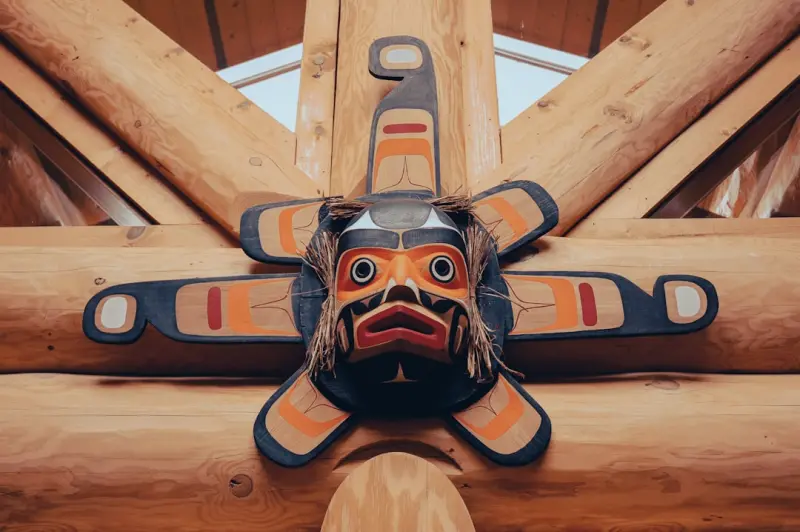
Game On, Canada: Indigenous Studios and the New Wave of Interactive Storytelling
Canada’s entertainment sector is buzzing with fresh energy as Indigenous game studios, city‑wide live‑action role‑playing, and VR arcades bring new form...Read More
0 Comments
Post Comment
You will need to Login or Register to comment on this post!