
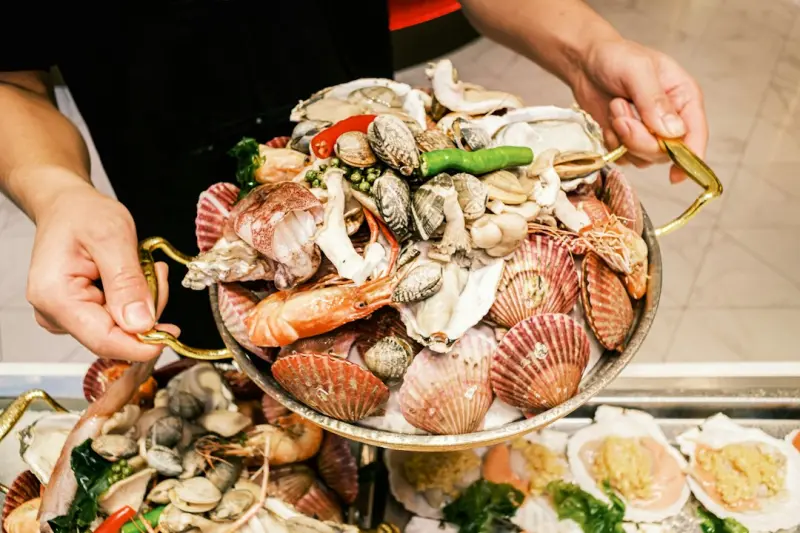
Imagine walking into a downtown restaurant and being offered a platter of "seafood" that has never touched the ocean. The scent of brine, the delicate snap of a crustacean, the buttery richness of a scallop—all without a single fish ever being caught. This isn’t a futuristic fantasy; it’s the quiet revolution unfolding on menus across the globe. Plant‑based seafood is moving from niche specialty shops into mainstream dining, and its rise is reshaping how we think about flavor, sustainability, and the future of the food system.
The Why Behind Plant‑Based Oceanic Alternatives
Traditional fisheries are at a crossroads. Overfishing, habitat destruction, and climate‑driven shifts in marine ecosystems have forced both regulators and consumers to ask uncomfortable questions: Can we keep eating the ocean the way we have for centuries? The answer, for many, is a resounding no. Yet the desire for seafood’s unique taste and texture remains strong—especially in markets where fish is a cultural staple.
Plant‑based seafood offers a solution that checks three critical boxes:
- Sustainability: No bycatch, no destructive trawling, and a dramatically lower carbon footprint compared to wild‑caught or farmed fish.
- Health: Eliminates concerns around mercury, microplastics, and antibiotic residues while delivering omega‑3s through algae‑derived oils.
- Accessibility: Allows land‑locked regions, strict vegans, and those with seafood allergies to enjoy the marine experience.
From Lab to Plate: The Science of Imitating the Ocean
Creating a convincing fish fillet from plants is no simple feat. It requires an intricate dance between protein structure, fat distribution, and the subtle mineral notes that give seafood its signature “sea‑kissed” flavor. The leading innovators are borrowing tools from both culinary arts and biotechnology.
At the heart of most plant‑based fish lies pea protein or soy isolate. These proteins provide the necessary bite and elasticity when subjected to extrusion—a high‑temperature, high‑pressure process that aligns the protein fibers into a flaky, fish‑like texture. To mimic the delicate, buttery mouthfeel of a scallop, developers often blend in coconut oil or sunflower oil, which melt at body temperature, delivering that signature richness.
But texture is only half the story. Flavor is where the magic truly happens. Researchers extract algae‑derived omega‑3s and incorporate natural seaweed extracts, kelp powders, and even smoked paprika to emulate the briny, umami profile of marine life. A dash of liquid smoke can recreate the subtle smokiness of grilled shrimp, while a hint of lemon zest adds the bright acidity that balances richness.
Consumer Psychology: Why We Crave the Sea
Food isn’t just nutrition; it’s an emotional experience. Seafood, in particular, carries connotations of luxury, celebration, and connection to nature. When diners order a lobster tail or a bowl of sushi, they’re often seeking more than protein—they’re tapping into a narrative of indulgence and exoticism.
Plant‑based seafood must therefore satisfy both the palate and the psyche. Brands that succeed do so by framing their products within stories of ocean stewardship and culinary adventure. Marketing that highlights “saving the reefs one bite at a time” resonates with eco‑conscious consumers, while partnerships with celebrity chefs lend the credibility needed to win over skeptics.
Market Momentum: Numbers That Speak Volumes
According to industry analysts, the global plant‑based seafood market is projected to surpass $2 billion within the next few years, growing at a compound annual growth rate (CAGR) of roughly 12%. While still a fraction of the overall seafood sector, the trajectory is unmistakable.
Key drivers include:
- Regulatory pressure: Governments are tightening quotas and imposing stricter sustainability certifications, nudging restaurants toward alternative sourcing.
- Investor interest: Venture capital is flooding startups that promise to “disrupt” traditional fisheries, providing the capital needed for R&D and scaling.
- Consumer demand: A surge in flexitarianism—people who primarily eat plant‑based but still enjoy occasional animal products—creates a sweet spot for “seafood‑like” experiences without the ethical baggage.
Real‑World Success Stories
Several brands have already made waves:
- Ocean’s Harvest: Their "Crabless Cakes" use a blend of jackfruit fiber and pea protein, delivering the flaky texture of real crab while being entirely plant‑derived.
- BlueWave Foods: Their "Salmon-less" fillets are enriched with algae‑derived astaxanthin, giving the characteristic pink hue and antioxidant benefits of wild salmon.
- SeaBite: Known for a line of breaded fish sticks that have become a staple in school lunch programs, offering a kid‑friendly entry point to plant‑based seafood.
These products have not only found shelf space in supermarkets but are also being embraced by high‑end restaurants seeking to diversify menus without compromising on taste. The integration of plant‑based seafood into fine dining underscores its growing legitimacy.
Challenges on the Horizon
Despite the excitement, the industry faces hurdles:
- Ingredient sourcing: Scaling up algae cultivation and seaweed harvests sustainably can be complex and cost‑intensive.
- Consumer perception: Some diners remain skeptical, associating “plant‑based” with inferior flavor or texture. Overcoming this bias requires relentless product iteration and education.
- Regulatory clarity: Labeling laws differ across regions; terms like “fish” or “seafood” may be restricted, forcing brands to navigate a maze of nomenclature.
Addressing these challenges will demand collaboration across the supply chain—farmers, biotechnologists, chefs, and policymakers must work in concert.
Synergies With Other Food Trends
The rise of plant‑based seafood intersects with several other emerging movements, creating opportunities for cross‑pollination:
- Fermentation: Leveraging ancient fermented foods can enhance umami and create complex flavor profiles that mimic the depth of marine life.
- Hyper‑local sourcing: The hyper‑local food revolution is already changing how restaurants think about inventory. Plant‑based seafood, produced in regional facilities, fits neatly into this model, reducing transportation emissions.
- Zero‑waste kitchens: By utilizing plant by‑products (e.g., pea hulls, seaweed stems), manufacturers can contribute to circular economies, aligning with broader sustainability goals.
Practical Tips for Chefs and Home Cooks
Whether you run a bustling kitchen or simply love experimenting at home, here are actionable ways to incorporate plant‑based seafood into your repertoire:
- Start with familiar dishes: Swap traditional fish in tacos, paella, or chowders with plant‑based alternatives to gauge flavor acceptance.
- Embrace marinades: A quick soak in soy sauce, lemon juice, and a touch of kelp powder can amplify oceanic notes.
- Use the right cooking technique: Many plant‑based fillets benefit from gentle pan‑searing or baking rather than deep‑frying, preserving texture.
- Pair with classic accompaniments: Serve with garlic butter, capers, or a fennel‑orange salad to reinforce the marine vibe.
- Educate your diners: A brief menu note about sustainability and health benefits can turn curiosity into enthusiasm.
Future Outlook: Beyond the Plate
The next frontier for plant‑based seafood may lie in personalized nutrition. Imagine a platform where a user’s dietary goals, local climate data, and taste preferences converge to suggest a customized “seafood” dish—complete with tailored omega‑3 dosage from algae oil. Such integration of data and food science could redefine not just what we eat, but how we optimize it for health and the planet.
Moreover, as biotech advances, we may see the emergence of “synthetic marine cells” that produce authentic fish oils without any animal involvement, further blurring the line between nature and lab‑crafted delicacy.
Conclusion: Riding the Wave
Plant‑based seafood is more than a fad; it’s a strategic response to ecological realities, health concerns, and evolving consumer values. By harnessing the power of protein engineering, flavor science, and compelling storytelling, the industry is creating products that honor the ocean’s legacy while protecting its future.
For chefs, restaurateurs, and food enthusiasts, the tide is turning. Embracing these alternatives offers a chance to lead the conversation, delight diners, and contribute to a resilient food system. The sea may be changing, but the desire for its taste remains—now, it just comes from a greener shore.

Related Posts
Umami Unlocked: Elevate Your Cooking with Natural Flavor Boosters
Learn the science behind umami and simple, natural ways to boost flavor in your cooking using everyd... Read More

Urban Foraging: Turning City Streets Into Gourmet Ingredient Sources
Discover how city dwellers can turn sidewalks, parks, and vacant lots into a pantry of fresh, hyperâ... Read More

Beyond the Plate: How VR and AI Are Redefining Home Cooking
Explore the rise of immersive VR kitchens and AI-powered assistants that are turning home cooking in... Read More
Top Posts

National Data Sovereignty: A Pragmatic Playbook for SaaS Leaders
National data sovereignty is no longer a niche concern. This post offers a practical framework for SaaS companies to navigate emerging regulations, turn complia...Read More

Navigating the Road Car Insurance Costs in Canada and How to Lower Them
Getting your driver's license and owning a car in Canada is a significant step toward independence and convenience. The open road beckons, promising adventures ...Read More

Parental Warning: The Silent Data Harvest in Free Kids’ Apps
Free kids’ apps may look harmless, but they often harvest personal data through hidden permissions and ad models. This article uncovers the privacy dangers an...Read More

How Tiered SaaS Deals Let Your Business Grow While the Budget Shrinks
A deep dive into tiered SaaS contracts, showing how data‑driven negotiations, subscription stacking, and real‑time usage insights can turn pricing tiers int...Read More
0 Comments
Post Comment
You will need to Login or Register to comment on this post!