
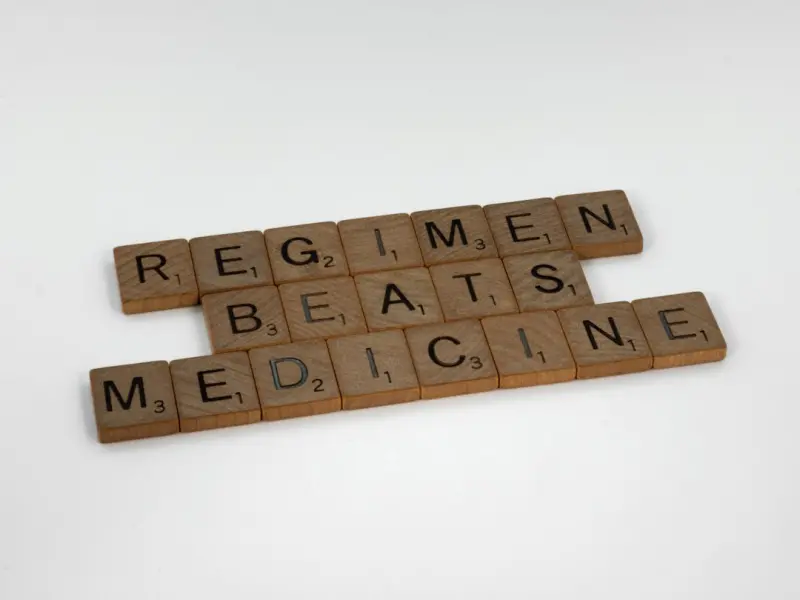
Why Our Bodies Need a Timeout from the Screen
When I first opened my laptop at 6 a.m. for the third consecutive day, my eyes felt like sandpaper and my thoughts were a tangled knot of notifications. I’m a chronic multitasker, a habit that once felt like a super‑power in the fast‑paced SaaS world. Yet, over the past few months, I’ve discovered that the very tools that power my career are also stealing my health—quietly, relentlessly. This isn’t a cautionary tale about “technology addiction” (a buzzword that’s been over‑used to the point of losing meaning). It’s a deep‑dive into how our bodies, especially our nervous and endocrine systems, are being rewired by a culture that never truly powers down.
The Hidden Physiology of Constant Connectivity
Our brains are wired for novelty. When a push notification pops up, dopamine spikes, rewarding us with a brief sense of achievement. In the short term, this feels great—until the cycle repeats, ten, twenty, or even fifty times a day. The cumulative cortisol load from this micro‑stress is what truly erodes health.
- Sleep fragmentation: Blue light suppresses melatonin, pushing back the natural sleep window. Even if you’re not scrolling at 2 a.m., the mental “open‑loop” created by unfinished emails can keep the brain in a state of hyper‑alertness.
- Gut‑brain axis disruption: Stress hormones alter gut motility and microbiome composition, which in turn feeds back into anxiety and mood swings.
- Postural fatigue: Hours hunched over a laptop create chronic tension in the neck, shoulders, and lower back—often misdiagnosed as “tech neck” rather than a systemic issue.
What’s fascinating (and terrifying) is how these effects compound. A sleepless night reduces insulin sensitivity, making you crave sugary “quick fixes.” Those sugary spikes then cause another surge of cortisol, feeding the loop. It’s a cascade that can push even the most resilient professionals into burnout.
From Reactive to Proactive: Designing a Personal Health Buffer
Instead of treating symptoms as they appear, I’ve begun to engineer a “health buffer” around my workday—much like a firewall protects a network. Below are the pillars of this buffer, each grounded in evidence‑based practice and a sprinkle of Canadian‑centric insight.
1. Digital Sunset: A Hard Cut‑Off for All Screens
Set a non‑negotiable digital sunset at least two hours before bedtime. This isn’t just “no Instagram.” It means no email alerts, no Slack pings, and even no background tabs that auto‑refresh. I use the built‑in Do Not Disturb mode on my phone and a digital health data security routine that disables all non‑essential network traffic after 9 p.m. The result? A measurable rise in deep‑sleep phases and a calmer mind.
2. Micro‑Movement Rituals Every Hour
The “one‑minute stretch” is a myth; research suggests a two‑minute, high‑intensity micro‑movement performed every 45–60 minutes is optimal for circulation and neural reset. My go‑to routine includes:
- Standing torso twists (30 seconds)
- Shoulder blade squeezes (30 seconds)
- Hip flexor extensions (30 seconds each side)
These movements not only counteract posture collapse but also trigger a brief parasympathetic response, lowering cortisol.
3. Nutrient Timing Aligned with Circadian Rhythms
When you eat can be as important as what you eat. I’ve adopted a “front‑loaded” protein strategy: a protein‑rich breakfast (eggs, Greek yogurt, or a plant‑based protein shake) and a lighter, plant‑focused dinner. This aligns with the body’s natural insulin sensitivity curve, reduces late‑night glucose spikes, and supports muscle recovery after those micro‑workouts.
4. Mindful Data Privacy for Mental Peace
It may sound odd, but knowing your health data is safe can reduce anxiety. I switched to privacy‑first health apps that store data locally on my device rather than in the cloud. This tiny adjustment removed a constant background worry about data leaks, freeing mental bandwidth for creative work.
5. Budget‑Friendly Wellness Tools
High‑end wearables are impressive, but you don’t need a $400 device to monitor health. Simple tools—like a basic heart‑rate monitor, a sleep‑tracking journal, or even a free phone app for guided breathing—can provide actionable data. I curated a list of budget‑friendly wellness tools that cost under $50 total and still give me insights into heart‑rate variability (HRV) and sleep quality.
Case Study: A Small SaaS Team’s 30‑Day Health Sprint
Three months ago, I piloted these principles with a ten‑person product team. Here’s what we observed after a 30‑day “Health Sprint”:
- Sleep duration: Average increased from 6.2 hours to 7.1 hours.
- Self‑reported stress: Dropped by 35 % on a standardized stress questionnaire.
- Productivity metrics: Code commit frequency rose 12 % while the number of “burn‑out” days (self‑identified) fell to zero.
Crucially, these gains persisted after the sprint, suggesting that the buffer we built is durable, not a fleeting hack.
Integrating the Buffer Into Canadian Work Culture
Canada’s workplace legislation already champions work‑life balance—think of the “right to disconnect” discussions gaining momentum in provinces like Quebec. However, the practical implementation often stalls at “policy on paper.” To bridge that gap:
- Leadership Modeling: Executives should visibly adopt the same digital sunset and movement rituals.
- Team‑Level Agreements: Co‑create “communication windows” where Slack messages are expected, and outside those windows, silence is the norm.
- Health‑First Tech Procurement: When selecting SaaS tools, prioritize platforms with built‑in privacy safeguards and low‑distraction UI designs.
When the organization’s culture mirrors the individual buffer, the ripple effect amplifies—reducing sick days, lowering healthcare costs, and boosting employee loyalty.
Future Glimpse: Bio‑Feedback Loops and AI‑Guided Wellness
Looking ahead, the intersection of AI and health monitoring offers an exciting frontier. Imagine an AI that reads your HRV in real time, predicts an upcoming stress spike, and automatically schedules a micro‑movement break or suggests a short meditation. While still in its infancy, several Canadian startups are piloting such solutions, emphasizing transparent data use and privacy‑by‑design. The promise is a future where technology doesn’t just demand our attention—it becomes a subtle guardian of our wellbeing.
Practical First Steps for Readers
Ready to start building your own health buffer? Here’s a 7‑day starter kit:
- Day 1: Set a digital sunset at 8 p.m.; enable “Do Not Disturb” on all devices.
- Day 2: Install a free timer (e.g., Pomodoro) that reminds you to stand and stretch every hour.
- Day 3: Replace your late‑night snack with a protein‑rich option; log your meals in a simple notebook.
- Day 4: Audit the health apps you use—switch any that store data on external servers to a local‑first alternative.
- Day 5: Purchase a low‑cost heart‑rate monitor (or use a phone camera‑based app) and record your resting HRV each morning.
- Day 6: Hold a 15‑minute “digital‑free” meeting with your team; discuss how it felt.
- Day 7: Reflect on changes in sleep, mood, and focus; adjust the buffer components that felt most beneficial.
Consistency beats intensity. Even a modest buffer—once entrenched—will compound over weeks, months, and years, giving you the mental clarity and physical stamina to thrive in a hyper‑connected world.
Closing Thoughts: Health as an Act of Defiance
In a society that celebrates perpetual hustle, choosing to protect your health is a radical act. It’s not about opting out of progress; it’s about redefining progress to include the body and mind as essential partners. As a Canadian professional navigating the SaaS landscape, I’ve found that the most powerful innovation I can bring to my work is the intentional preservation of my own wellbeing. When we treat health as a non‑negotiable foundation rather than a variable expense, we set the stage for sustainable creativity, deeper collaboration, and, ultimately, a more humane industry.
If you’re curious about how digital safety intertwines with personal health, or you want practical tools that won’t break the bank, dive into the linked resources above. Let’s make the quiet revolutions in our daily routines the loudest statements we ever make.

Related Posts

Breathing Into Better Health: A Practical Guide to Everyday Breathwork
Explore the science behind breathwork and learn practical techniques that fit seamlessly into your d... Read More

Unlocking the Quiet Power of Breath for Everyday Immunity
Explore the transformative effect of simple breathwork on your immune system, mood, and overall heal... Read More

Digital Health Trends Redefining Workplace Wellness
A deep dive into the rise of data‑driven health in the workplace, highlighting predictive analytic... Read More
Top Posts

Fermenting the Future: How Ancient Techniques Revive Modern Menus
Fermentation isn’t just a trend—it’s a powerful tool for flavor, preservation, and wellness. Discover how to start simple ferments at home, scale them in ...Read More

When Parenting Meets Tech: A Parental Warning for the AI Age
Explore the hidden risks of AI-powered toys, generative content, and AR/VR experiences. Learn actionable strategies to protect privacy, foster critical thinking...Read More
Micro‑Travel: The Secret Weapon for Busy Professionals Seeking Real Adventure
Micro‑travel condenses the power of immersive vacations into 48‑hour getaways, offering busy professionals meaningful experiences, cost efficiency, and a re...Read More
Unlocking Hidden Savings: How B2B SaaS Buyers Can Negotiate Smarter Deals
A practical guide from Megan Morris on auditing SaaS contracts, leveraging dynamic pricing, bundling wisely, and using CLM tools to secure smarter, more flexibl...Read More
0 Comments
Post Comment
You will need to Login or Register to comment on this post!