
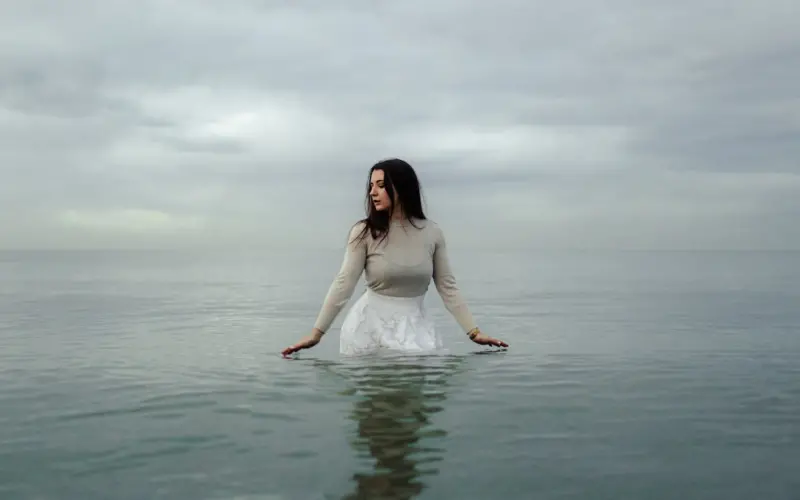
Quiet Waters, Loud Impact: How Women Are Redefining Ontario’s Fishing Culture
When I first slipped my line into the mist‑shrouded inlet of Lake Simcoe at dawn, the world felt unusually still. The gentle slap of water against the reel, the distant call of a loon, the faint rustle of reeds—these sensations have always been my refuge. Yet, as the sun rose and painted the surface gold, I realized I was not alone. A small group of women, each with a distinct story, gathered beside me, their laughter echoing across the water. In that moment, I understood that Ontario’s fishing narrative is shifting—not just in terms of technology or species, but in the very voices that cast the lines.
The Historical Echoes We’re Listening To
Ontario’s fishing heritage has long been dominated by a masculine image: the rugged outdoorsman, the seasoned guide, the veteran angler with weathered hands. This archetype, while iconic, has inadvertently muffled other perspectives. Indigenous women, for instance, have fished for millennia, weaving sustainable practices into cultural rites. Their stories have been passed down in oral traditions, often overlooked by mainstream media.
Today, a resurgence of interest in these forgotten narratives is taking place. Women across the province are reclaiming their connection to the water, not merely as hobbyists but as custodians of an ecosystem under pressure. Their approach blends reverence for tradition with modern insights—an interplay that is reshaping how we think about stewardship, community, and even the economics of the sport.
Why This Shift Matters
- Ecological Balance: Diverse fishing practices encourage broader data collection, which helps researchers monitor fish populations more accurately.
- Economic Inclusion: Women-led fishing tours and boutique charters are opening new revenue streams in rural communities.
- Cultural Healing: By honoring Indigenous women’s fishing methods, we foster reconciliation and a deeper respect for the land.
- Mental Health Benefits: The act of casting a line provides therapeutic calm—a fact supported by emerging research on nature‑based wellness.
Stories from the Shoreline
Below are three vivid snapshots that illustrate how women are leaving a lasting imprint on Ontario’s waters.
1. The Urban Explorer: Maya’s Midnight Pike Pursuit
Maya, a 32‑year‑old graphic designer from Toronto, discovered her love for fishing during a weekend getaway to the Kawartha Lakes. What began as a casual outing soon turned into a mission: she wanted to challenge the notion that “real” fishing belongs in remote cabins. Armed with a modest rod and an app that maps fish activity, Maya now leads midnight pike trips for city dwellers seeking a splash of adventure.
Her commitment to sustainable practices is evident. Maya uses biodegradable lures, practices strict catch‑and‑release, and partners with local conservation groups to tag released fish, feeding valuable data into provincial monitoring programs.
2. The Culinary Innovator: Priya’s Farm‑to‑Lake Initiative
Priya, a chef from Hamilton, blends her culinary expertise with her love for the water. She launched “Lake to Table,” a seasonal pop‑up restaurant that sources its menu directly from the catch of local women anglers. Each dish tells a story: a smoked trout paired with heirloom corn sourced from a nearby farm, or a cedar‑plank salmon served alongside a foraged mushroom salad.
Priya’s initiative not only highlights the gastronomic potential of Ontario’s freshwater species but also creates a platform for women anglers to showcase their harvests. The venture has sparked interest among food bloggers, sustainability advocates, and investors seeking to back a model that marries local food systems with outdoor recreation.
3. The Conservation Advocate: Aaliyah’s Youth Outreach
Raised near the Georgian Bay shoreline, Aaliyah witnessed the decline of native fish populations first‑hand. Determined to reverse the trend, she founded “River Girls,” a mentorship program that pairs teenage girls with experienced female anglers for weekend trips, workshops, and citizen‑science projects.
Through River Girls, participants learn how to identify invasive species, collect water quality samples, and log their observations in a shared database. The program has already contributed over 5,000 data points to the province’s fish health reports, illustrating the tangible impact of inclusive citizen science.
Tools of the Trade—Beyond the Tackle Box
While traditional gear remains essential, many women are integrating technology to enhance their experience. Mobile applications that provide real‑time water temperature, depth charts, and species forecasts have become staples. Moreover, wearable devices that monitor heart rate and stress levels help anglers maintain a healthy balance between excitement and relaxation.
These innovations dovetail with a broader trend of data‑driven conservation. By recording their catches, release rates, and environmental conditions, anglers contribute to a collective knowledge base that informs policy and management decisions. It’s a modern twist on the age‑old practice of “keeping a fishing journal,” amplified by community platforms and open‑source data repositories.
Economic Ripples: From Small Boats to Big Opportunities
Women’s growing presence in Ontario’s fishing scene is spawning economic opportunities that extend far beyond the shoreline. Consider the rise of boutique charters operated by all‑female crews, offering bespoke experiences ranging from sunrise bass runs to moonlit catfish expeditions. These ventures often collaborate with local artisans—craftspeople who create custom‑made rods, hand‑stitched waders, and artisanal bait blends.
In addition, the tourism sector is taking note. Provincial parks and conservation areas now market “Women‑Only Fishing Days,” encouraging families and groups to explore the water in a supportive environment. This inclusive approach drives visitation, supports local hospitality businesses, and promotes a healthier, more diverse fishing community.
Challenges on the Horizon
Despite the momentum, obstacles remain. Access to prime fishing locations can be limited by private ownership, and licensing fees sometimes pose a barrier for newcomers. Moreover, lingering stereotypes about gender roles in outdoor recreation can discourage participation.
Addressing these issues requires coordinated effort:
- Policy Advocacy: Lobbying for equitable access to public waterways and reduced licensing costs for youth and under‑represented groups.
- Community Education: Hosting workshops that demystify gear selection, safety protocols, and environmental stewardship.
- Visibility Campaigns: Showcasing women anglers in media, social platforms, and provincial promotional material to normalize their presence.
Looking Forward: A Watershed Moment
Ontario stands at a watershed moment—literally and figuratively. Climate shifts, invasive species, and evolving consumer preferences are reshaping the province’s aquatic ecosystems. In this context, the influx of women anglers brings fresh perspectives, innovative practices, and a collaborative spirit that could prove pivotal in navigating these challenges.
By embracing their stories, supporting their enterprises, and amplifying their voices, we not only enrich the cultural tapestry of Ontario’s fishing community but also lay the groundwork for a more resilient and inclusive future. The next time you hear the soft splash of a line hitting water, listen for the varied chorus of voices behind it—each one echoing a promise of stewardship, adventure, and connection.
Whether you’re an experienced angler, a curious newcomer, or simply someone who appreciates the quiet power of nature, the rise of women in Ontario fishing invites us all to cast a broader net of understanding. The water reflects us; let’s ensure it reflects the full diversity of those who cherish it.

Related Posts
From River to Plate: Ontario’s Freshwater Flavors and How to Cook Them
Explore the culinary side of Ontario’s abundant lakes, from proper fish prep to signature recipes,... Read More
Lake Legends: Fresh Perspectives on Ontario Fishing
From gear upgrades to seasonal tactics and sustainable practices, this guide offers fresh insights f... Read More
Ontario’s Secret Nighttime Fishing Hotspots: A Guide to Quiet Waters and Stellar Catches
Discover Ontario’s best night fishing spots, from Lake of the Woods to Georgian Bay, and learn how... Read More
Top Posts

Beyond Consent: Crafting a Resilient Privacy Strategy for Canadian SaaS
A practical roadmap for Canadian SaaS companies to build a robust privacy program, covering data governance, cross‑border transfers, emerging digital identity...Read More
How Canadian Farmers Are Reimagining Direct‑to‑Consumer Sales
A farmer’s personal journey reveals how direct‑to‑consumer models are reshaping Canadian agriculture, boosting local economies, and deepening community ti...Read More

The Impact of Climate Change on Canadian Law: A Growing Concern
The impact of climate change on Canadian law is a growing concern. Climate change is having a profound impact on various aspects of Canadian law, from property ...Read More
The Quiet Revolution: How Canada’s Diverse Voices Are Redefining Entertainment
Canada’s entertainment scene is undergoing a quiet revolution, driven by local creators, expanding broadband, immersive tech, and community platforms that pri...Read More
0 Comments
Post Comment
You will need to Login or Register to comment on this post!