

Why Casting a Line Is Becoming Ontario’s Quiet Wellness Revolution
When the rush of emails, meetings, and endless notifications starts to feel like a tidal wave, many Ontarians are discovering a surprisingly simple antidote: the steady rhythm of a fishing line. It’s not just about the trophy fish or the bragging rights at the dock; it’s about the way the act of waiting, observing, and connecting with water can reset our nervous systems, sharpen focus, and foster a deeper appreciation for the province’s abundant freshwater heritage.
From Stress‑Heavy Commutes to Tranquil Shorelines
Modern life in the Greater Toronto Area and beyond often means spending hours in traffic, glued to screens, and juggling competing priorities. A short drive to a nearby lake can feel like stepping into another world. The moment you step onto a pebble‑strewn shoreline, the cacophony of horns fades, replaced by the gentle lapping of water and the occasional call of a loon's echo.
Scientists have long known that exposure to natural environments can lower cortisol levels, reduce blood pressure, and improve mood. What’s new is the growing anecdotal evidence from anglers who describe a “mental reset” after a few hours on the water. The repetitive motion of casting, the patience required to feel a bite, and the meditative focus on the present moment create a natural form of mindfulness—without the need for a guided app or a quiet room.
Gender Waves: The Rise of Female Anglers in Ontario
Historically, fishing has been portrayed as a pastime dominated by men, but that narrative is shifting dramatically. Local clubs from Muskoka to the Niagara Peninsula report a surge in female memberships, and social media groups dedicated to women’s fishing are thriving. These anglers are not only reaping the therapeutic benefits but also challenging stereotypes and encouraging broader participation.
Stories of mothers teaching their teenage daughters how to tie a perfect knot, and of professional women taking weekend trips to Lake Simcoe for a few hours of solitude, illustrate a cultural pivot. The presence of more women on the docks also brings fresh perspectives on sustainable practices, gear choices, and the social aspects of fishing outings.
Indigenous Wisdom Meets Modern Angling
Ontario’s waterways have long been central to Indigenous cultures, serving as sources of food, transportation, and spiritual connection. Recent collaborations between Indigenous knowledge keepers and contemporary anglers have led to a richer, more respectful fishing experience.
For instance, seasonal calendars shared by local First Nations highlight optimal periods for different species, aligning catches with ecological cycles. These calendars encourage anglers to honor the timing of spawning runs, ensuring that harvests are both abundant and responsible. By listening to these time‑honored practices, modern anglers can deepen their connection to the land and water, while also supporting the preservation of Indigenous cultural heritage.
Zero‑Waste Practices: From Hook to Plate
Another emerging trend is the commitment to a zero‑waste approach. Anglers are increasingly mindful of every step—from the moment a fish is caught to the final plate. This includes:
- Using biodegradable tackle. Modern lines and lures made from plant‑based polymers break down naturally, reducing plastic pollution in our lakes.
- Practicing selective harvesting. By targeting only legally sized fish and releasing undersized or non‑target species, anglers help maintain balanced populations.
- Preparing the entire fish. Utilizing head, bones, and skin for stocks, broths, and even pet treats ensures nothing goes to waste.
These practices not only protect the environment but also foster a deeper respect for the resource that sustains us. As more anglers share recipes on community boards, a culture of culinary creativity blossoms, turning a simple catch into a gourmet experience.
Technology as a Subtle Companion, Not a Distraction
While the earlier article explored high‑tech fishing tools, many anglers are now opting for technology that enhances, rather than dominates, the experience. Portable water‑quality sensors, for example, can provide real‑time data on temperature and oxygen levels, allowing anglers to choose spots where fish are most active without turning the outing into a data‑driven expedition.
Similarly, low‑impact lighting for early‑morning or dusk trips helps anglers see without disrupting nocturnal wildlife. The emphasis is on tools that support the natural rhythm of the water, rather than imposing a digital overlay that pulls attention away from the moment.
Connecting with Local Conservation Efforts
Ontario’s lakes and rivers face pressures from invasive species, shoreline development, and climate variability. Many anglers are stepping up by partnering with conservation groups that monitor fish populations and water health. Volunteer programs often involve simple tasks such as reporting catch sizes, tagging fish for scientific studies, or participating in shoreline clean‑ups.
One standout initiative encourages anglers to log their catches using a mobile platform that feeds directly into provincial databases. This citizen‑science approach empowers anglers to become active stewards of their local waters, providing valuable data that can shape management policies.
For those interested in broader environmental action, the citizen science initiatives across Canada showcase how ordinary people can contribute to large‑scale ecological monitoring, reinforcing the idea that every cast can make a difference.
Eco‑Friendly Infrastructure: Sustainable Cabins and Shoreline Access
As more people seek out remote fishing spots, the demand for modest accommodations has risen. Sustainable cabins built from reclaimed timber, powered by off‑grid solar arrays, and equipped with composting toilets are becoming common on lakefront properties. These structures minimize ecological footprints while offering anglers a comfortable base for multi‑day trips.
Beyond cabins, some municipalities are investing in low‑impact dock designs that use recycled materials and avoid disturbing natural shorelines. Such infrastructure respects the integrity of the habitat and ensures that future generations can continue to enjoy these waters.
The Future of Ontario Fishing: A Balanced Blend of Tradition and Innovation
Ontario’s fishing culture is at a crossroads where time‑honored practices meet thoughtful, low‑impact innovations. Whether you’re a seasoned angler, a newcomer seeking solace, or a parent introducing a child to the joy of casting, the act of fishing offers a powerful antidote to modern stress.
By embracing inclusive participation, respecting Indigenous knowledge, adopting zero‑waste habits, and supporting sustainable infrastructure, we can ensure that Ontario’s lakes remain vibrant sanctuaries for both people and wildlife. The next time you feel the weight of a busy inbox, consider swapping it for the gentle tug of a line and the whisper of the wind over water—you might just find the calm you’ve been searching for.
For those looking to deepen their involvement, the sustainable energy projects highlighted in other recent posts demonstrate how local initiatives can power remote fishing lodges with clean electricity, further reducing the environmental impact of our beloved pastime.

Related Posts
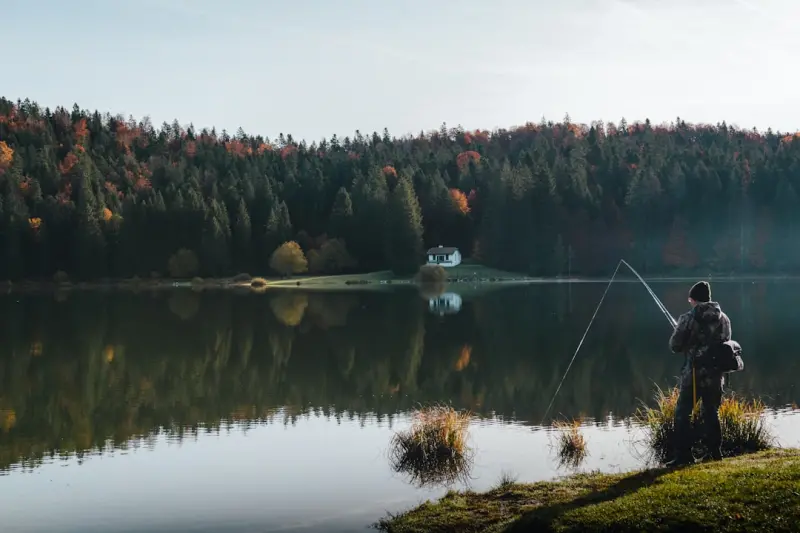
Reeling in Balance: Sustainable Fishing Practices for Ontario’s Lakes
A deep dive into responsible angling in Ontario, offering practical tips on gear, catch‑and‑rele... Read More

Casting Calm: Ontario Anglers Turn Fishing Into Mindful Therapy
Ontario anglers are redefining the pastime, using fishing as a mindful practice to boost mental heal... Read More
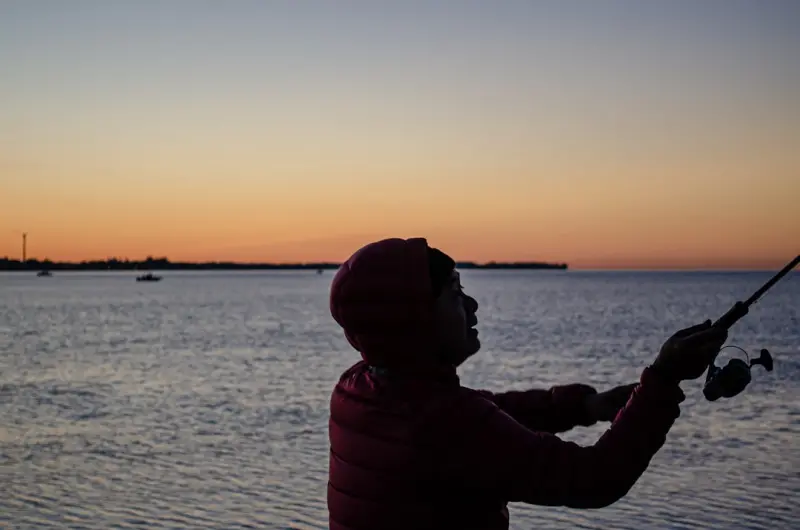
Ontario’s Fresh Take on Fishing: From Urban Shores to Sustainable Adventures
Discover Ontario’s evolving fishing scene—from hidden city spots and budget gear hacks to techâ€... Read More
Top Posts

Seasonal Superfood Swaps for Everyday Nutrition
Learn practical, seasonal superfood swaps that transform ordinary meals into nutrient‑rich power foods, boosting energy, focus, and overall health without dem...Read More

How Canada Can Build a Healthier Future Through Community‑Centric Care
A fresh look at Canada’s healthcare future, highlighting community‑driven clinics, lasting telehealth solutions, and Indigenous health partnerships that pro...Read More

Immersive Storytelling: How Canada’s Creators Are Merging Tech, Theatre, and Culture
A deep dive into Canada’s emerging immersive storytelling scene, where VR, AR, and live performance blend to give audiences agency, amplify Indigenous voices,...Read More

From Soil to Software: How Canadian Farmers Are Turning Climate Chaos into a Competitive Edge
Canadian farmers are reshaping the industry with regenerative agriculture, farmer‑owned data cooperatives, wearable health tech, and agri‑tourism, turning c...Read More
0 Comments
Post Comment
You will need to Login or Register to comment on this post!