
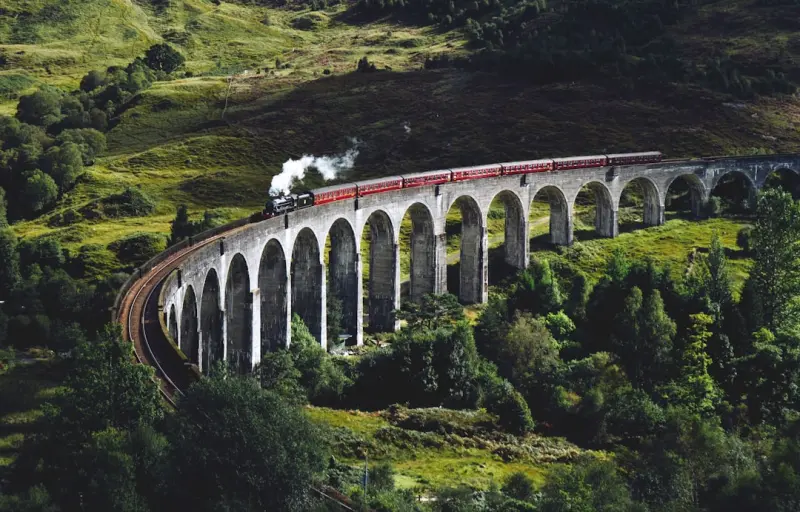
Why Trains Are Making a Comeback
When I first boarded a modern Canadian rail car, the gentle sway of the wheels felt like a meditation on motion, a reminder that travel can be both purposeful and poetic. The scenery rolls past in a seamless panorama, from prairie gold to rugged coastline, offering a narrative that no highway can match, and in those quiet moments I realize that the train is not just a vehicle but a moving storybook. Rail travel is re‑emerging because it satisfies a growing hunger for sustainable, immersive experiences that let us savor distance rather than rush through it.
Environmental Benefits That Go Beyond the Green Badge
Beyond the romance, trains present a tangible climate advantage; a single locomotive can replace dozens of cars, cutting greenhouse gas emissions dramatically per passenger mile. Recent data shows that electric and hybrid locomotives are shaving off up to 60 % of the carbon footprint compared to conventional diesel, a statistic that resonates deeply with travelers who track their personal impact. By choosing the rails, we contribute to a collective reduction in traffic congestion, lower noise pollution, and a quieter, cleaner corridor that benefits both wildlife and the communities lining the tracks.
Cultural Immersion at the Speed of a Slow Ride
Each stop along a Canadian rail itinerary is a portal to a micro‑culture, a chance to step off the train and into a town that has preserved its heritage in ways highways often erase. From the historic murals of Sudbury to the Indigenous art installations in Thunder Bay, the train’s schedule invites spontaneous detours that feel less like tourism and more like a lived exchange. I’ve found that the unhurried pace allows conversations with conductors, local vendors, and fellow passengers to blossom, turning a simple commute into a shared narrative of place.
The New Routes Shaping the Journey
Railway companies are expanding beyond the classic trans‑Canada line, introducing boutique routes that weave through previously underserved regions. The “Coastal Breeze” line, for instance, hugs the Atlantic shoreline, offering panoramic glass‑wall cars that frame the sea like a living painting. Meanwhile, the “Mountain Whisper” service threads through the Rockies, with sleeper cabins designed for alpine comfort, allowing travelers to wake up to sunrise over snow‑capped peaks. These new corridors are not merely extensions of infrastructure; they are curated experiences that invite explorers to redefine what a “destination” truly means.
Tech‑Forward Comfort Meets Classic Charm
Modern rail travel has embraced technology without sacrificing the nostalgic allure of the iron horse. High‑speed Wi‑Fi, digital ticketing platforms, and app‑based seat selection make the journey as convenient as a flight, while maintaining the tactile pleasure of a leather‑upholstered seat and a steaming cup of locally sourced coffee. Innovative cabin designs now feature adjustable lighting that mimics natural daylight cycles, reducing jet‑lag‑like fatigue and enhancing overall well‑being. This blend of old‑world romance and new‑world convenience creates a uniquely balanced travel environment that appeals to both digital nomads and heritage enthusiasts alike.
Hidden Gems Along the Tracks
One of the most rewarding aspects of train travel is the ability to stumble upon off‑the‑radar attractions that are often missed by road‑bound tourists. Small towns host seasonal markets, pop‑up art galleries, and culinary festivals that celebrate regional flavors, providing a sensory feast that aligns perfectly with the ethos of the sensory travel guide I once penned. By stepping off at a lesser‑known stop, you might discover a family‑run bakery famous for its maple‑infused pastries or a lakeside trail that offers sunrise kayaking—experiences that enrich the journey far beyond the destination itself.
Practical Tips for the Modern Rail Explorer
Booking a rail adventure requires a mix of foresight and flexibility; I recommend securing your seats during promotional windows, typically two to three months before departure, when rail companies release discounted “early‑bird” fares. Leveraging travel credit cards that reward points for transportation purchases can further stretch your budget, turning everyday expenses into free upgrades. Additionally, consider a “flex‑pass” option that grants open‑dated travel within a set period, giving you the freedom to adjust your itinerary as weather or local events dictate.
Packing Smart and Embracing Co‑Living on the Move
Unlike air travel, trains allow for generous luggage allowances, but smart packing remains essential to maximize cabin space and comfort. I favor a modular system: a compact duffel for clothing, a rolling tote for toiletries, and a lightweight daypack for on‑the‑go excursions. For longer journeys, consider the emerging trend of rail‑based co‑living, where shared cabin spaces foster community among travelers, reminiscent of the smart co‑living solutions that are reshaping urban living. This collaborative approach not only reduces costs but also creates a network of fellow explorers who can share tips, meals, and stories throughout the trip.
Conclusion: Riding the Rails into a New Era of Travel
As the world shifts toward greener, more intentional ways of moving, the railway renaissance offers a compelling alternative that marries sustainability, cultural depth, and comfort. By choosing the train, you step into a moving tapestry where each mile tells a story, each stop invites discovery, and each carriage becomes a shared space of curiosity. I invite you to trade the cramped airline seat for a windowed rail car, to let the landscape dictate the rhythm of your day, and to experience Canada’s vastness at a pace that lets you truly breathe it in.

Related Posts

Dr. Oetker's Canadian Crescendo: Introducing Suprema Pizza with an Operatic Flourish
Dr. Oetker, a name synonymous with quality and innovation in the food industry, is a global giant wi... Read More

Nomadic Workspaces: Redefining Travel in the Remote Era
The rise of nomadic workspaces is blending productivity with cultural immersion, offering travelers ... Read More

The Rise of Purpose‑Driven Micro‑Escapes: Redefining Travel in a Connected World
Purpose‑driven micro‑escapes are short, intentional journeys that combine personal meaning, comm... Read More
Top Posts

Regenerative Travel: How Vacations Can Leave Places Better Than You Found Them
Regenerative travel flips the tourism script: instead of leaving footprints, travelers leave kindness. Learn practical ways to give back, choose impact‑focuse...Read More

Interactive Memories for Prom & Graduation
Discover how to blend AR, QR code guestbooks, and digital yearbooks to create an interactive, tech‑enhanced prom and graduation experience that preserves memo...Read More
The Climate Pivot: Redrawing the Federal‑Provincial Map in Canada
Climate policy is no longer a side issue in Canada; it’s reshaping federal‑provincial relations, forging Indigenous partnerships, and prompting fresh politi...Read More

Seasonal Homekeeping: A Canadian Guide to Living in Harmony with the Climate
Learn the art of seasonal homekeeping in Canada—practical tips for each season that enhance comfort, cut costs, and deepen your connection to the ever‑chang...Read More
0 Comments
Post Comment
You will need to Login or Register to comment on this post!