
Rooted in More Than Soil
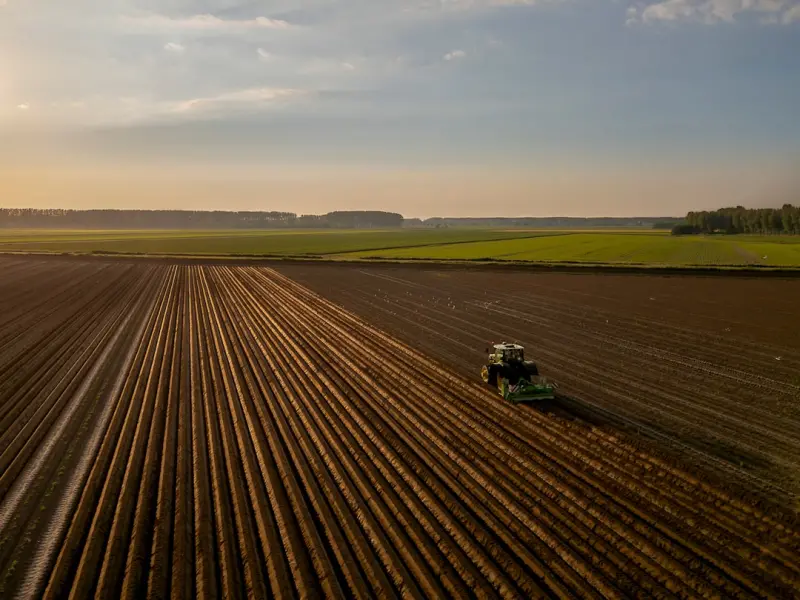
When I walk the rows of my family’s wheat field in southern Ontario, the hum of a tractor and the distant call of a hawk remind me that farming is as much about relationships as it is about yields. Over the past decade, Canadian growers have begun to treat the land like a living partner, measuring success not only in bushels but in biodiversity, carbon capture, and community well‑being. This shift from pure production to holistic stewardship is quietly reshaping our rural identity, and it starts with a willingness to listen to the earth’s subtle cues.
Regenerative Practices Take Hold
Cover crops, reduced tillage, and rotational grazing are no longer niche experiments; they are becoming the backbone of a new agricultural ethic that prizes long‑term fertility over short‑term profit. By planting legumes that fix nitrogen naturally, we reduce dependency on synthetic fertilizers, which in turn lowers input costs and improves water quality for downstream communities. The result is a healthier soil microbiome that fuels more resilient crops, and a marketplace that increasingly values food grown with regenerative principles, a trend echoed in the growing demand for nutrient‑dense produce highlighted by the latest smart food pairings research.
Mental‑Health Circles on the Farm
Isolation has long been a silent partner of farm life, but a network of farmer‑led support groups is turning that narrative on its head. Weekly “field circles” gather in barns or community halls where growers share stories of drought, market pressure, and personal loss, finding solace in collective experience rather than solitary endurance. These gatherings are not merely therapeutic; they foster a sense of belonging that translates into collaborative problem‑solving, from joint equipment purchases to shared marketing initiatives, reinforcing the idea that mental health is a cornerstone of sustainable agriculture.
Tech in the Furrow: Drones, Data, and Decision‑Making
Modern farms are becoming data farms, where satellite imagery and drone scouting replace guesswork with precision. A farmer can now upload a field map to a cloud platform, receive real‑time moisture readings, and adjust irrigation schedules accordingly, conserving water while maximizing yields. This technology democratizes information that once belonged to large agribusinesses, empowering family farms to compete on efficiency and environmental stewardship without sacrificing their independence.
Passing the Torch: Intergenerational Mentorship
While the average age of Canadian farmers continues to rise, a wave of youth‑focused apprenticeship programs is ensuring that the next generation inherits both wisdom and innovation. Experienced growers host hands‑on workshops, teaching everything from heritage seed saving to modern sensor deployment, while younger participants bring fresh perspectives on market trends and digital branding. This reciprocal exchange keeps traditions alive, such as the practice of planting “seed balls” to restore prairie ecosystems, while simultaneously injecting new ideas that keep farms viable in a changing economy.
Agro‑Tourism as a Community Bridge
Opening farm gates to visitors has transformed fields into classrooms, where city dwellers taste heirloom tomatoes, learn to churn butter, or help harvest pumpkins. These experiences create direct connections between consumers and the people who grow their food, fostering trust and a willingness to pay premium prices for transparently produced goods. Moreover, agro‑tourism diversifies farm income streams, reducing reliance on commodity markets and strengthening the local economy through ancillary services like bed‑and‑breakfasts and artisanal workshops.
Collaborative Policy and Regional Hubs
Farmers are no longer waiting for top‑down solutions; they are shaping policy from the ground up by forming regional coalitions that lobby for fair pricing, climate‑resilient infrastructure, and research funding. In many provinces, these coalitions partner with universities and non‑profits to develop pilot projects that test innovative practices before scaling them province‑wide. Such grassroots advocacy mirrors the spirit of our nation's cultural institutions, turning farms into community knowledge hubs where research, tradition, and public policy intersect.
Winter Adaptation: Preparing for Snow‑Ready Operations
Canada’s climate demands that farms be as adaptable in winter as they are in harvest season, prompting a surge in “snow‑ready” infrastructure that protects livestock and equipment from harsh freezes. Heated barns, insulated feed storage, and all‑terrain tractors allow producers to maintain operations year‑round, turning what was once a dormant period into an opportunity for maintenance, training, and niche market production like cold‑weather vegetables. This proactive approach reduces downtime and safeguards income, illustrating how resilience is built into every season’s plan.
Looking Forward: A Shared Harvest of Hope
The story of Canadian farmers today is not one of solitary struggle but of collective empowerment, where regenerative soils, mental‑health networks, and cutting‑edge technology converge to create a more sustainable and connected rural fabric. As we continue to share knowledge across generations, invite communities onto our land, and advocate for policies that reflect on‑the‑ground realities, the harvest we reap will be richer than any single crop—filled with resilience, health, and a renewed sense of purpose for the entire nation.

Related Posts
Farmers need more government support to feed Canadians
Canada, a nation blessed with vast agricultural lands, prides itself on its ability to produce high-... Read More
Regenerative Roots: Canadian Farmers Turning Fields into Climate Allies
Canadian growers are embracing regenerative agriculture—cover crops, reduced tillage, diverse rota... Read More

Beyond the Harvest: Nurturing Mental Health in Canadian Farming
A deep dive into the mental‑health challenges of Canadian farmers, revealing how community network... Read More
Top Posts

Bridging the Gap: How Rural Canadians Can Reimagine Health Care
A personal look at the challenges and fresh strategies transforming health care in Canada’s remote regions, from telehealth to community gardens....Read More

Human‑Centric Storytelling: The Next Evolution in B2B SaaS Marketing
The post explores why B2B SaaS marketers should move from feature‑first messaging to human‑centric storytelling, offering frameworks, funnel integration tip...Read More
How Canadian Homes Are Getting Smarter and Greener
Canadian households are adopting intelligent heating, vertical gardens, tool libraries, and adaptable interiors, creating a sustainable, community‑focused way...Read More

Tariff Transparency: Turning Global Trade Fees into Strategic Leverage
Tariffs aren’t just customs paperwork—they’re a strategic signal. Learn how to build a data‑driven radar, embed tariff considerations into product roadm...Read More
0 Comments
Post Comment
You will need to Login or Register to comment on this post!