

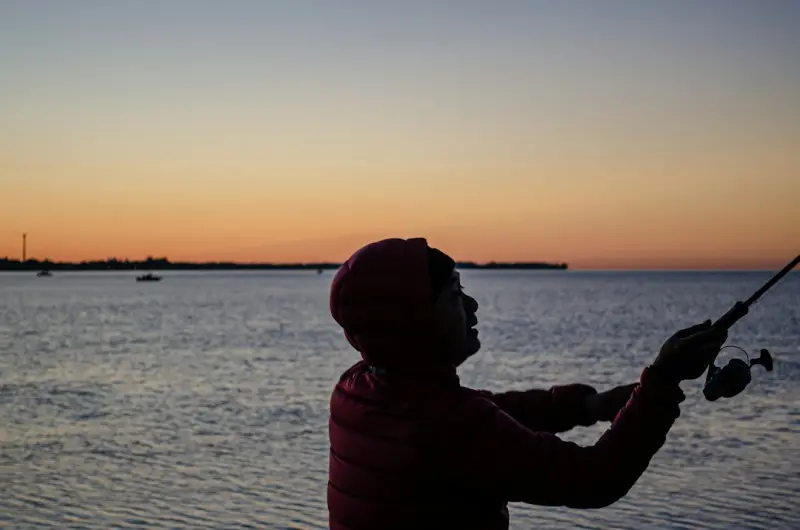
When I first tossed a line into the crystal‑clear waters of Lake Simcoe at sunrise, the silence was broken only by the gentle lapping of waves and the distant call of loons, a reminder that Ontario fishing is as much about the moment as it is about the catch; each season paints the lakes and rivers with a different palette of opportunity, and my notebook quickly filled with sketches of wavy surface reflections, temperature charts, and the ever‑changing moods of the water. From the thawing ice of early spring to the icy crust of February’s mid‑winter nights, the province’s 250,000 lakes become a living textbook, and I have learned to read the subtle cues—water temperature, insect hatch, even the scent of pine sap in the breeze—to anticipate where the next bite will come from.
Seasonal Shifts: From Ice to Sun
Spring in Ontario feels like a grand reopening; as the ice sheets retreat, the first walleye and northern pike emerge, testing the thin layers of water with a tentative vigor that mirrors my own excitement, and I often find myself at the quiet edge of the St. Lawrence River, where the current is still, the air carries a crisp, fresh scent, and the fish seem eager to celebrate the end of their long, cold dormancy; the secret to success here is patience—waiting for the sun‑warmer water to coax the fish into the shallows, then letting the light guide the lure’s dance, a dance that has become a ritual I repeat year after year, each time with a new story to tell.
Summer brings a different rhythm, one defined by long days, buzzing insects, and the relentless pursuit of bass and muskellunge in the deeper coves of the Kawartha Lakes; I remember the heat of July, the sun beating down on the deck of my modest boat while I cast a topwater popper that sparked a flash of silver across the surface, a moment so vivid it still echoes in my mind, and as the day stretches into evening, fireflies begin their nightly ballet, reminding me that the water is a shared stage where anglers, families, and wildlife all play their parts; the key to a bountiful summer catch is adaptability—shifting from surface lures at dawn to deep‑diving crankbaits as the water warms, always listening to the subtle changes in water clarity and fish behavior.
Autumn transforms Ontario’s waterways into a kaleidoscope of amber and gold, and with the cooling air comes a surge of salmon and trout making their final run before the first frost; I often set up along the banks of the Credit River, where the canopy of maple leaves creates a mosaic of light and shadow, and the water, now tinged with the scent of fallen leaves, seems to pulse with anticipation, urging the fish upriver; in these moments I rely on fly fishing techniques honed over decades, letting a dry fly mimic the fallen insects that drift downstream, and the satisfaction of seeing a bright rainbow trout rise to the surface is matched only by the quiet pride of knowing I’m part of a timeless seasonal dance that has sustained generations of Ontarians.
Winter, for many, signals the end of the fishing season, but for those of us who cherish the quiet hush of a snow‑covered lake, it signals a new adventure: ice fishing, a practice that demands both skill and reverence for the frozen world; I recall early mornings on the frozen expanse of Lake Nipissing, the ice thick enough to support my modest shelter, the smell of hot coffee mixing with the faint pine aroma, and the anticipation building as I drop a jig through a tiny hole, watching it disappear into the dark, cold water; the reward comes when a gentle tap turns into a strong, steady pull, and the fish—often a feisty walleye—breaks through the icy veil, reminding me that even in the harshest conditions, life thrives, and the community of anglers gathered around the same hole shares stories, tips, and a camaraderie that only the silence of winter can forge.
Hidden Hotspots: Ontario’s Secret Reel Spots
While the well‑known lakes draw crowds, the true joy of Ontario fishing lies in discovering the tucked‑away coves and secluded streams that most visitors never hear about, and I’ve spent countless weekends exploring these hidden gems, guided only by old‑timed maps, whispered local legends, and the occasional tip from a seasoned guide; one such spot—an unmarked inlet on the north shore of Lake Simcoe—offers crystal‑clear water teeming with smallmouth bass that are practically begging for a surface popper, and because the access road is a narrow, gravel path that deters the usual weekend crowd, the experience feels almost private, a secret shared between the water, the fish, and the few of us who happen upon it.
For a deeper dive into Ontario’s concealed fishing paradises, I recommend checking out Ontario’s Hidden Fishing Gems: A Local’s Guide to Reel Success, a treasure trove of locations that range from the mist‑shrouded banks of the Muskoka River to the secluded islands of Georgian Bay, each described with precise GPS coordinates, ideal bait recommendations, and the subtle etiquette required to preserve their pristine condition; the article also emphasizes the importance of leaving no trace—packing out everything you bring in, respecting private property, and sharing the knowledge responsibly—so that future generations can continue to discover these watery sanctuaries without the pressure of over‑exploitation.
From Water to Plate: Cooking, Health, and Community
Bringing a fresh catch from the lake to the table is an experience that blends the thrill of the hunt with the comfort of home‑cooked meals, and my own kitchen has become a laboratory where I experiment with flavors that honor the fish’s natural sweetness while adding a touch of Ontario’s culinary heritage; a simple pan‑seared trout with a lemon‑herb butter, paired with a side of locally sourced wild rice, captures the essence of the season and provides a protein‑rich, low‑fat option that fuels the body after a long day on the water, a concept echoed in Nourish Your Body: A Fresh Take on Healthy Foods, which highlights the nutritional benefits of fish and offers creative preparation ideas.
Beyond personal nourishment, sharing a freshly caught meal with friends and family reinforces the sense of community that defines Ontario’s fishing culture; I recall a summer evening on the shores of Lake Erie, where a group of us gathered around a portable grill, swapping stories of the day’s bites while the aroma of smoked walleye drifted across the water, and these gatherings serve as informal lessons in sustainability—teaching newcomers the importance of catch‑and‑release practices for undersized fish, respecting size limits, and rotating fishing spots to prevent over‑harvesting, all while building lifelong friendships rooted in a shared love of the outdoors.
Understanding the health impact of our fishing practices also means recognizing the role of responsible sourcing and mindful consumption; by opting for locally caught species, we reduce the carbon footprint associated with transporting fish across long distances, support regional economies, and ensure that the fish we eat are fresh, free from the additives sometimes found in farmed varieties; this aligns with the broader message of Ontario fishing that I explore in Ontario Fishing: A Local’s Journey Through Seasons, Tastes, and Trails, where the interconnectedness of sport, sustenance, and stewardship is celebrated.
Equally important is the mental well‑being that stems from time spent on the water; the rhythmic casting, the quiet patience, and the occasional exhilaration of a strong bite act as natural stress relievers, echoing findings from studies that link outdoor activities to reduced cortisol levels, and I often find that after a day of fishing, my mind feels clearer, my mood brighter, and my perspective on daily challenges more balanced—a reminder that the benefits of fishing extend far beyond the physical catch and into the realms of mental health and personal resilience.
Looking ahead, the future of Ontario fishing depends on our collective commitment to protect the waterways that give us so much; initiatives such as shoreline restoration projects, invasive species monitoring, and collaborative research with universities are essential to maintain the health of fish populations, and I encourage every angler to get involved, whether by volunteering for a local river clean‑up, supporting policies that limit harmful runoff, or simply staying informed about the latest conservation guidelines; by acting as guardians of the water, we ensure that the next generation can experience the same joy of early‑morning mist, the thrill of a striking bass, and the satisfaction of a home‑cooked fish dinner.
In the end, Ontario’s fishing story is a tapestry woven from the threads of seasonal change, hidden treasure spots, culinary tradition, and a deep respect for the natural world; each time I step onto a dock, launch a canoe, or lower a line through a hole in the ice, I feel a connection to the generations of anglers who have walked these paths before me, and I am reminded that the real catch is not just the fish, but the memories, friendships, and stewardship that grow alongside each cast; so grab your rod, respect the water, and join me in celebrating the endless bounty and beauty that Ontario offers to those who listen to its call.

Related Posts

Chasing the Midnight Bite: Ontario’s Untapped Night Fishing Adventures
Explore Ontario’s hidden night‑fishing locations, learn essential gear, and embrace Indigenous t... Read More

Ontario’s Hidden River Gems: A Modern Angler’s Guide
Discover Ontario’s secret river hotspots, how climate‑smart stewardship and rural broadband are ... Read More
Reeling in Change: How Ontario Anglers Are Shaping a Sustainable Future
Ontario’s anglers are forging a new path, combining smart gear, Indigenous wisdom, and inclusive c... Read More
Top Posts

Parental Warning: The Silent Surge of In‑App Subscription Traps for Kids
A deep dive into how hidden in‑app subscriptions target children, draining family finances and harvesting data, with actionable tips for parents to safeguard ...Read More

Tariff Tactics: Turning Trade Barriers into a SaaS Advantage
A fresh look at tariffs reveals hidden opportunities for SaaS firms. Learn strategic levers—from edge infrastructure to localized pricing—that turn trade ba...Read More

Storytelling as the Engine Behind B2B SaaS Marketing Success
Megan Morris explains why traditional B2B tactics fall short and how a five‑step storytelling framework can transform a SaaS product into a compelling hero’...Read More

When Virtual Playgrounds Turn Toxic: A Parental Warning
A deep dive into the covert threats lurking in kids’ screens, from gamified learning loops to AI companions, offering parents actionable steps to safeguard th...Read More
0 Comments
Post Comment
You will need to Login or Register to comment on this post!