
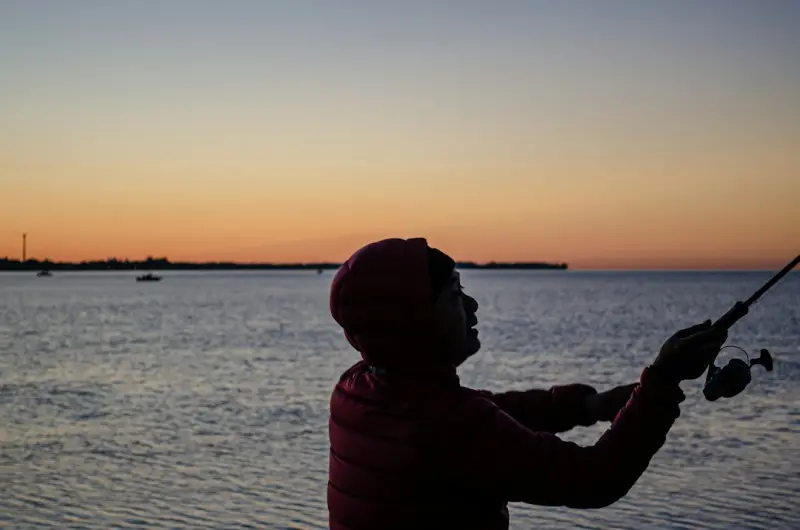
Ontario’s shoreline stretches for more than 250,000 kilometres, and every stretch tells a different story. As someone who’s spent more sunrise hours on a dock than in an office, I’ve learned that fishing here isn’t just a pastime—it’s a living laboratory where tradition meets technology, community meets conservation, and every cast can spark a conversation about the future of our waters.
Why the Conversation Matters Now
For years, the image of the Ontario angler has been painted with broad strokes: patient, rugged, and perhaps a little solitary. Today, that picture is evolving. Climate shifts are reshaping fish migration patterns, digital tools are giving us unprecedented insights into water health, and a new generation of anglers—especially women and Indigenous youth—is redefining what it means to be on the water.
Understanding these changes isn’t a luxury; it’s a necessity. If we ignore the subtle cues of a warming lake or the data points from a smart sonar, we risk losing the very ecosystems that sustain our sport. The good news? The tools and stories we need are already flowing downstream, ready to be cast into our collective narrative.
Smart Gear: From Fancy Gadgets to Everyday Essentials
Remember the days when a fish finder was a bulky, expensive device only serious pros could afford? Those days are fading fast. Today, a smartphone fish finder can turn your iPhone into a sonar screen, delivering real‑time depth maps, temperature gradients, and even species predictions. Coupled with AI algorithms, these apps learn from each outing, suggesting optimal bait and times based on historic catches and current water conditions.
Beyond sonar, data-driven habitat mapping is gaining traction. By leveraging the same analytics that Canadian farmers use to boost soil health, anglers can monitor oxygen levels, algae blooms, and invasive species spread. Imagine a community dashboard where every angler’s catch logs contribute to a provincial database, flagging potential overfishing hotspots before they become crises.
These tools aren’t just for the tech‑savvy; they’re increasingly user‑friendly, with drag‑and‑drop interfaces and visual guides that walk beginners through the science of fish behavior. The result? A more informed, responsive fishing community that can adapt on the fly.
Women on the Water: Breaking the Surface
It’s no secret that fishing has traditionally been male‑dominated, but the tide is turning. Across Ontario, women are leading initiatives that blend sport, stewardship, and entrepreneurship. From the Lakeview Women’s Angling Club in Peterborough, which hosts mentorship nights for teenage girls, to solo anglers like me who document their trips on social media, the narrative is shifting.
These leaders are not just catching fish; they’re catching attention. By speaking at town hall meetings and partnering with local schools, they’re teaching the next generation about sustainable harvest practices, gender equity, and the sheer joy of a well‑landed trout. Their presence challenges old stereotypes and enriches the cultural fabric of Ontario’s fishing scene.
Indigenous Knowledge: A Deep‑Rooted Compass
For thousands of years, Indigenous peoples have navigated Ontario’s waters with a blend of observation, oral tradition, and reverence. Their methods—like reading subtle changes in water clarity to anticipate fish runs—offer a counterpoint to data‑heavy approaches.
Collaborative projects now bring together Indigenous elders and modern anglers to co‑create “knowledge sharing circles.” These gatherings blend stories of ancient fishing sites with contemporary scientific findings, fostering a two‑way learning street where technology respects tradition. The result is a richer understanding of fish spawning cycles and habitat preservation tactics that benefit everyone.
From Dock to Kitchen: Culinary Connections
There’s a growing movement to close the loop between catch and cuisine. Ontario’s culinary scene is increasingly embracing locally‑sourced fish, and anglers are stepping into the kitchen to showcase their harvests.
Community‑run pop‑up dinners—think “Catch & Cook” events in Toronto’s Distillery District—pair freshly caught walleye with farm‑to‑table vegetables, creating a narrative that celebrates both land and water. These gatherings are more than meals; they’re platforms for education, where chefs discuss proper filleting techniques, sustainable portion sizes, and the importance of respecting size limits.
Even home cooks are getting involved. With the rise of online tutorials, anglers can learn to smoke a perch, grill a pike, or make a classic Ontario fish chowder, turning a day on the water into a multi‑sensory experience that extends beyond the shoreline.
Mobile Fishing Camps: The New Co‑Living Model
Imagine a weekend where you and a group of fellow anglers set up a temporary base on the banks of a lesser‑known lake, sharing gear, meals, and data insights—all while leaving no trace. This mobile fishing camp concept borrows from the travel‑first co‑living trend, blending community living with the freedom of the outdoors.
These pop‑up camps prioritize sustainability: solar‑powered lights, biodegradable cleaning supplies, and a strict “leave no evidence” policy. Participants rotate roles—some manage the tech setup, others handle cooking, while the rest scout for the best fishing spots. The result is an immersive, collaborative environment that reinforces shared stewardship.
Conservation in Action: Citizen Science Meets Angling
One of the most powerful ways anglers can protect Ontario’s waters is by becoming citizen scientists. Simple actions—like recording water temperature, noting unusual behavior, or photographing invasive plants—can feed into provincial databases.
Programs such as “FishWatch Ontario” encourage anglers to upload data via a mobile app, which is then validated by biologists and used to inform policy. The collective effort helps track trends like the northward shift of lake trout or the rise of Asian carp, enabling early interventions that safeguard biodiversity.
When anglers see the direct impact of their contributions—say, a restored spawning ground thanks to community‑led cleanup—they gain a deeper sense of ownership and purpose, turning recreation into activism.
The Future: A Balanced Blend of Tech, Tradition, and Community
Ontario’s fishing landscape is at a crossroads. The challenges of climate change, habitat loss, and over‑exploitation are real, but the tools and voices emerging today give cause for optimism.
By embracing smart gear without discarding the wisdom of Indigenous practices, championing inclusivity through women‑led initiatives, and fostering community through mobile camps and culinary events, we can create a resilient angling culture. This culture respects the water, honors its history, and leverages technology to protect its future.
So the next time you cast your line on Lake Simcoe, the French River, or a hidden back‑water near your hometown, consider the ripple effect of your actions. Each catch is a data point, each conversation a bridge, and each meal a celebration of the bond between people and water. Together, we can ensure that Ontario’s fishing legacy not only survives but thrives for generations to come.

Related Posts
Lake Legends: Fresh Perspectives on Ontario Fishing
From gear upgrades to seasonal tactics and sustainable practices, this guide offers fresh insights f... Read More
Ontario’s Secret Fishing Spots: A Local’s Guide to Uncharted Waters
Tracie Higgins uncovers Ontario’s lesser‑known fishing destinations, offering practical advice o... Read More
Chasing the Twilight Trophies: Night‑time Bass Secrets in Ontario’s Lesser‑Known Waters
Explore the unique ecosystem of Ontario’s night waters, learn how to locate hidden hot spots, choo... Read More
Top Posts
Beyond Brick-and-Mortar: How Virtual Care is Redefining Rural Health in Canada
Virtual clinics are reshaping rural health in Canada, offering same‑day appointments, AI‑driven monitoring, and culturally‑sensitive care, while addressin...Read More

When AI Becomes Your Kid’s Playdate: A Parental Warning
A deep dive into how AI companions and data‑driven apps subtly shape children’s experiences, privacy, and mental health, with actionable tips for parents to...Read More

Fermentation at Home: Rediscovering Canada’s Living Flavors
Discover the art of home fermentation, from kombucha to sauerkraut, and learn how simple tools, local ingredients, and community swaps can transform your kitche...Read More
Canada’s Hybrid Entertainment Surge: Pop‑Up Stages, Virtual Concerts, and Indigenous Gaming
Canada’s entertainment landscape is evolving with hybrid experiences that blend live pop‑up theatre, immersive virtual concerts, and Indigenous gaming, crea...Read More
0 Comments
Post Comment
You will need to Login or Register to comment on this post!