
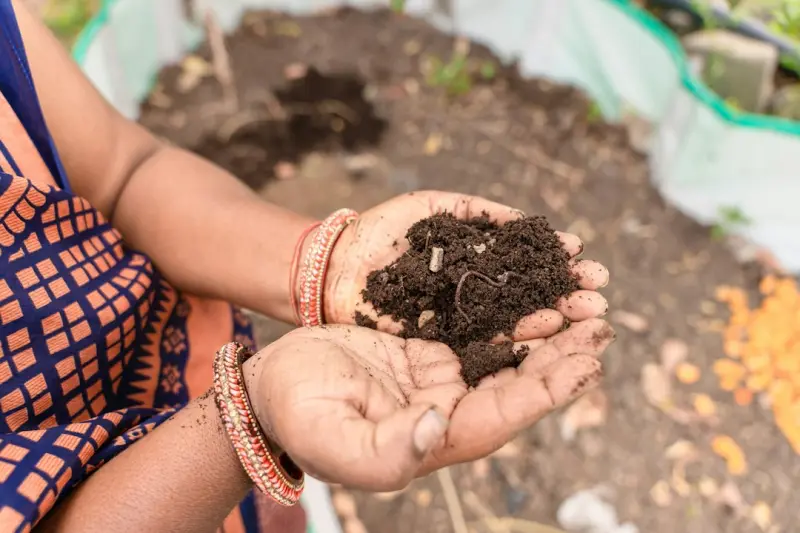
When I first stepped onto a rooftop garden in downtown Toronto, the scent of fresh basil and rosemary reminded me that health isn’t just about what we eat—it’s about where that food comes from, how it’s grown, and the invisible ecosystems that nurture it. As a longtime advocate for holistic well‑being, I’ve watched the conversation around nutrition evolve from calorie counting to gut microbiome science. Yet, one thread remains underexplored: the profound impact of soil‑inspired nutrition on urban dwellers.
From Soil to Plate: Why the Ground Matters
Modern city life often disconnects us from the earth that feeds us. Most of us purchase produce harvested miles away, shipped in refrigerated trucks, and boxed in plastic. In that journey, the soil’s story gets lost, and with it, the subtle symphony of minerals, microbes, and organic matter that shape the nutritional profile of our food.
Research shows that soil health directly influences the density of phytonutrients—those plant compounds that give fruits and vegetables their vibrant colors and antioxidant power. When soil is depleted, crops can still look appealing, but they may lack the micronutrients our bodies crave. This is why the rise of regenerative agriculture and urban farms is more than a trend; it’s a necessary shift toward food that truly supports our immune systems, mental clarity, and long‑term vitality.
Urban Soil Revitalization: The Quiet Revolution
In cities across North America, community groups, schools, and startups are turning vacant lots into thriving micro‑farms. These spaces employ techniques like compost layering, cover cropping, and mycorrhizal inoculation—methods that enrich the soil’s microbial community. The result? Produce that is not only fresher but also richer in vitamin C, iron, and flavonoids.
Beyond the nutritional boost, working with soil offers a therapeutic experience. Digging, planting, and harvesting release endorphins and lower cortisol levels, providing a natural antidote to the stress of office life. For many, the garden becomes a sanctuary—a place to reset, reconnect, and practice mindfulness without the digital noise.
Personalizing Nutrition with Soil‑Derived Data
While the concept of soil‑centric eating sounds simple, the execution can be tailored to individual health goals. Imagine a future where your nutrition app syncs with a local farm’s soil report, suggesting specific greens that match your micronutrient needs. This isn’t science fiction; it’s an emerging intersection of agronomy and personalized health.
Take, for example, the rise of digital therapeutics that monitor blood glucose and heart rate. By integrating soil analytics, these platforms could recommend a kale batch grown in calcium‑rich loam for someone battling low bone density, or a beet variety rich in nitrates for athletes seeking improved endurance.
Such integration respects the principle that health is a system—one where the ground beneath our feet plays a pivotal role. It also democratizes access to high‑quality nutrition, allowing anyone with a smartphone to make soil‑informed choices, regardless of their proximity to a farmer’s market.
The Microbiome Connection: Feeding the Inner Ecosystem
Our gut microbiome thrives on fiber, polyphenols, and diverse plant compounds—all of which are amplified when crops grow in biologically active soil. Studies have linked diets rich in soil‑enhanced produce to increased microbial diversity, which correlates with reduced inflammation, better mood regulation, and even a lower risk of chronic diseases.
When you consume vegetables cultivated in a thriving soil ecosystem, you’re essentially feeding your gut’s own ecosystem. The beneficial bacteria in our intestines ferment these compounds, producing short‑chain fatty acids that support gut lining integrity and modulate immune responses.
In practice, this means that a salad harvested from a rooftop garden not only tastes fresher but also delivers a more potent prebiotic punch than its supermarket counterpart. Over time, this can translate to improved digestion, clearer skin, and a steadier energy flow throughout the day.
Building a Soil‑Smart Lifestyle
So, how can city residents embed soil‑inspired nutrition into daily routines? Here are actionable steps that blend practicality with purpose:
- Visit Local Micro‑Farms: Seek out urban farms that share their soil health reports. Many post monthly updates on nutrient levels, giving you insight into the freshest, most mineral‑dense produce.
- Grow Your Own: Even a windowsill herb garden can make a difference. Use composted kitchen scraps to enrich potting soil, creating a mini‑ecosystem that cycles nutrients back to your plants.
- Ask for Soil Data: When buying from farmers’ markets, don’t hesitate to inquire about soil practices. Farmers who practice regenerative methods are often proud to discuss the health of their land.
- Leverage Technology: Explore apps that connect consumers with local farms and provide real‑time soil analytics. This bridges the gap between agronomy and personal health.
- Support Policy Change: Advocate for municipal initiatives that protect and expand urban green spaces. The more soil we nurture, the healthier our communities become.
Case Study: The Downtown Wellness Hub
One innovative project in Vancouver illustrates the power of a soil‑focused approach. The Downtown Wellness Hub pairs a co‑working space with an on‑site hydroponic garden. Employees can pick fresh lettuce and herbs during breaks, and the garden’s soil sensors feed data into a wellness app that suggests personalized snack options based on each user’s activity level and nutrient gaps.
Within six months, participants reported a 20% increase in energy levels and a noticeable reduction in mid‑day cravings. The initiative also sparked a cultural shift: lunch conversations moved from vending machine options to discussions about soil health, crop rotation, and the benefits of root vegetables.
This example underscores how integrating soil intelligence into everyday environments can catalyze both physical health improvements and community bonding.
Challenges and Considerations
While the promise of soil‑inspired nutrition is exciting, it’s essential to acknowledge obstacles:
- Scalability: Urban farms are growing, but they still represent a fraction of the food supply chain. Expanding this model will require supportive zoning policies and investment in vertical farming infrastructure.
- Data Transparency: For personalized recommendations to be trustworthy, soil testing must be standardized and publicly accessible. Consumers need confidence that the data reflects real, actionable insights.
- Economic Access: Premium produce often carries a higher price tag. Community initiatives must prioritize affordability to ensure that soil‑rich nutrition isn’t a luxury reserved for a few.
Addressing these challenges will demand collaboration among city planners, agronomists, technologists, and health professionals. By viewing soil health as a public health asset, we can align incentives across sectors.
Looking Ahead: The Soil‑Centric Health Paradigm
Imagine a future where health check‑ups include a “soil score” alongside blood pressure and cholesterol. Clinics could recommend locally sourced foods based on the mineral composition of nearby soils, aligning dietary advice with environmental stewardship.
Such a paradigm shift redefines health from an individual pursuit to a communal responsibility. When we nurture the ground, we nurture ourselves—a feedback loop that can mitigate climate change, improve food security, and elevate population health.
In my own life, the simple act of tending to a balcony herb garden has become a daily meditation, a reminder that the earth’s vitality is inseparable from my own. As we collectively reimagine nutrition, let’s remember that the most powerful health interventions often start beneath our feet.
For those curious about the broader landscape of preventive care, the concept of community‑driven health initiatives offers additional insight. A recent discussion on preventive care hubs highlights how localized, collaborative approaches are reshaping the way we think about wellness.

Related Posts

Why Your Gut Microbiome Is the Missing Piece in Modern Wellness
A deep dive into how gut microbiome testing, AI-driven insights, and community‑owned data networks... Read More

Nature‑Infused Offices: How Biophilic Design Supercharges Employee Health
A deep dive into biophilic design reveals how natural light, greenery, and water features transform ... Read More
Micro‑Wellness: Tiny Habits That Pack a Big Health Punch
Micro‑wellness offers bite‑sized health actions that fit into busy lives, blending simple ritual... Read More
Top Posts

Beyond the Screen: Canada’s Interactive Entertainment Surge
Megan Morris dives into the rise of immersive experiences across Canada, from interactive theatre and AR Indigenous storytelling to live-action gaming festivals...Read More

Midnight Rails: How Overnight Train Journeys Are Redefining Sustainable Travel
Explore the resurgence of night trains, learn how they boost sustainability, and get insider tips for booking the perfect sleeper on your next journey....Read More

Fermentation Fix: Harnessing Microbes for Everyday Health
Explore the science, simplicity, and sustainable benefits of fermenting everyday foods—from kimchi to kombucha—to boost gut health, flavor, and waste reduct...Read More

Unlocking Health: The Power of Eating the Rainbow Every Day
Learn why adding red, orange, yellow, green, blue, and purple foods to every meal transforms your health, boosts energy, and supports brain function—all with ...Read More
0 Comments
Post Comment
You will need to Login or Register to comment on this post!