
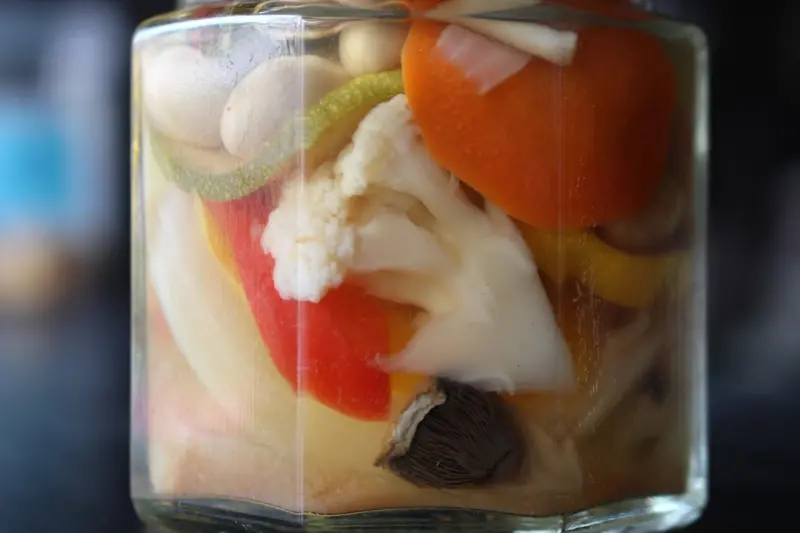
When I first stumbled upon a mason‑jar full of bubbling cabbage in my grandmother’s kitchen, I thought I was witnessing a quirky family tradition rather than a science‑backed health hack. Fast forward to today, and the humble jar has become my go‑to laboratory for building a resilient gut, a cleaner kitchen, and a more vibrant palate. Fermentation isn’t a fad; it’s a centuries‑old partnership between humans and microbes that can transform ordinary ingredients into nutrient‑dense powerhouses. In this post, I’ll walk you through the why, the how, and the wow factor of integrating fermented foods into a modern, busy lifestyle—without the need for a culinary degree or a dedicated fermentation room.
Why Fermentation Deserves a Spot on Your Plate
At its core, fermentation is a natural preservation method. Beneficial bacteria, yeasts, and molds break down sugars and starches, creating acids, alcohols, and gases that both extend shelf life and unlock hidden nutrients. But the health benefits go far beyond longevity:
- Gut Health Boost: Probiotic‑rich foods feed the diverse ecosystem of your digestive tract, enhancing digestion, nutrient absorption, and immune function.
- Enhanced Nutrient Bioavailability: Fermentation can increase levels of vitamins B, C, and K, and release minerals that are otherwise locked inside plant cell walls.
- Natural Detox: The process can break down antinutrients like phytates, making it easier for your body to utilize the food’s raw goodness.
- Flavor Amplification: Sour, umami, and tangy notes emerge, allowing you to use less salt or sugar while still delivering a punchy taste.
In short, fermented foods are a multi‑tasker: they preserve, they nourish, and they delight.
The Science Behind the Bubbles
When microbes feast on carbohydrates, they produce metabolites that change the food’s pH and texture. For instance, lactic‑acid bacteria (LAB) convert glucose into lactic acid, which lowers pH and creates that signature tang in kimchi or sauerkraut. Yeasts, on the other hand, produce ethanol and carbon dioxide—think of the effervescence in kombucha or the airy crumb in sourdough.
These metabolites are not just flavor agents; they serve as signaling molecules that interact with the gut’s immune system. A balanced microbiome can modulate inflammation, influence mood via the gut‑brain axis, and even play a role in weight management. That’s why the World Health Organization recognizes fermented foods as functional foods with proven health benefits.
Everyday Fermented Staples You Can Master
Below is a quick‑start list of fermented foods that require minimal equipment and can be incorporated into breakfast, lunch, dinner, or snacks.
- Kombucha: Sweetened tea fermented with a SCOBY (symbiotic culture of bacteria and yeast). A 12‑hour brew yields a lightly fizzy, probiotic‑rich beverage.
- Kimchi: Napa cabbage, radish, garlic, ginger, and gochugaru fermented for 3‑7 days. It packs a spicy, umami punch and loads of Vitamin C.
- Sauerkraut: The simplest of all—just shredded cabbage and salt, left to ferment in its own brine. Ideal as a side or sandwich topping.
- Miso: Fermented soybean paste, often with rice or barley. Use it for soups, marinades, or as a flavor base for sauces.
- Yogurt & Kefir: Milk cultured with specific bacterial strains; kefir adds yeasts for a slightly effervescent texture.
- Fermented Veggies: Carrots, beets, and cucumbers can all be quick‑pickled in a salt‑water brine, delivering crunch and probiotics.
All of these can be scaled from single‑serve jars to gallon‑size batches, depending on your appetite and freezer space.
Building a Fermentation Routine That Fits Your Calendar
One of the biggest barriers I’ve heard from fellow professionals is “I don’t have time.” The truth is, most fermentation processes are set‑and‑forget. Here’s a streamlined weekly plan:
- Monday – Prep Day: Chop veggies, weigh salt (typically 2 % of the vegetable weight), and pack jars. This takes 15‑20 minutes.
- Tuesday – Start the Ferment: Seal the jars, place them in a cool, dark spot (65‑75 °F works well), and let nature do its thing.
- Wednesday – Check‑In: Open a jar, give it a gentle press, and taste. If it’s tangy enough, move it to the fridge; if not, let it continue.
- Thursday – Beverage Boost: Brew a batch of kombucha or kefir. These typically need 7‑10 days, so start early.
- Friday – Flavor Fusion: Combine fermented veggies with fresh greens for a salad, or stir miso into a warm broth.
- Weekend – Experiment: Try a new spice blend, add fruit to kombucha, or create a fermented hot sauce.
By aligning fermentation steps with the natural rhythm of a workweek, you end up with a ready‑made pantry of gut‑friendly foods by Friday evening.
Pairing Fermented Foods with Seasonal Ingredients
Seasonal produce is at its peak flavor and nutritional value, and when you marry it with fermentation, the result is a double win. For example, a late‑summer tomato can become a tangy tomato‑kimchi, while autumn squash pairs beautifully with miso‑glazed roasted cubes. This synergy is highlighted in our seasonal swaps guide, which shows how swapping out a few ingredients can transform everyday meals into nutrient powerhouses.
Here are three quick combos you can try:
- Spring Greens & Sauerkraut: Toss fresh arugula, sliced radishes, and a spoonful of sauerkraut with olive oil and lemon for a bright, probiotic‑rich salad.
- Summer Fruit Kombucha: Add sliced strawberries or mango to your second‑fermentation jar for a naturally sweet fizz.
- Fall Root Veggie Kimchi: Swap cabbage for shredded carrots, parsnips, and turnips for a hearty, spicy side dish.
Reducing Kitchen Waste Through Fermentation
Every vegetable peel, over‑ripe fruit, or leftover grain can find a second life in a jar. Fermentation not only preserves these scraps but also amplifies their nutritional profile. This aligns perfectly with the zero‑waste mindset championed in our zero‑waste home mixology post, where we explored turning kitchen remnants into craft cocktails. Imagine taking carrot tops, beet greens, or citrus zest and fermenting them into a tangy shrub that can be mixed into drinks or vinaigrettes.
Here are three waste‑reduction ideas:
- Fruit Peel Vinegar: Fill a jar with citrus peels, add sugar and water, let it ferment for 2‑3 weeks, then strain and use as a salad dressing base.
- Grain Water Kefir: Soak leftover rice or barley water with kefir grains for a probiotic beverage that would otherwise be poured down the drain.
- Veggie Stalk Sauerkraut: Include broccoli stems, kale ribs, or celery leaves in your sauerkraut mix for added fiber and flavor.
Practical Tips for Successful Fermentation
- Salt Ratio is Key: Too little salt invites spoilage organisms; too much suppresses beneficial microbes. A 2 % salt‑to‑weight ratio is a reliable starting point.
- Use Non‑Reactive Containers: Glass jars, food‑grade ceramic crocks, or stainless steel containers work best. Avoid metal lids that can corrode.
- Keep It Covered, Not Sealed: Fermentation produces gas; a breathable cloth or a loose‑fit lid prevents pressure buildup while keeping contaminants out.
- Temperature Matters: Most lactic‑acid fermentations thrive between 65‑75 °F. If it’s hotter, shorten the ferment; if cooler, extend it.
- Trust Your Senses: A slight sour aroma and gentle bubbling indicate a healthy ferment. Mold (white, green, or black) is a red flag—discard the batch.
- Document Your Experiments: Note the date, salt amount, spices, and taste results. Over time, you’ll develop a personal fermentation handbook.
Common Pitfalls and How to Avoid Them
“My kimchi turned mushy.” – Over‑salting or excessive fermentation can break down cell walls. Reduce the ferment time or add a crunchy element (e.g., sliced radish) at the end.
“My kombucha has a film on top.” – That’s a new SCOBY forming; it’s normal. If you prefer a clearer brew, gently pour it off before the film thickens.
“I got mold on my sauerkraut.” – This usually happens when the vegetables aren’t fully submerged. Use a fermentation weight or a clean stone to keep everything under the brine.
When in doubt, remember that fermentation is forgiving. Even a “failed” batch can be repurposed as a starter culture for a new experiment.
Integrating Fermentation Into Corporate Wellness Programs
Beyond personal health, fermented foods can become a low‑cost, high‑impact component of employee wellness initiatives. Imagine a “Ferment‑Friday” where a nutritionist leads a short workshop on making kimchi in the breakroom. Employees walk away with a jar of probiotic‑rich food, a sense of community, and a tangible habit they can continue at home. This approach aligns with the broader trend of holistic well‑being—supporting mental health, immunity, and even creativity through the act of nurturing living cultures.
Final Thoughts: Make Fermentation Your Everyday Superpower
Fermentation isn’t just a culinary technique; it’s a mindset that embraces patience, curiosity, and a partnership with the microscopic world. By adding a few jars to your kitchen, you’ll boost your gut microbiome, reduce food waste, and discover a new palette of flavors that can elevate any dish. Whether you’re a busy executive, a tech‑savvy developer, or a home‑based entrepreneur, the steps outlined here require minimal time, equipment, and money—yet deliver outsized health dividends.
So the next time you open your fridge, let a jar of bubbly kombucha or a crunchy scoop of kimchi be the first thing you reach for. Your gut will thank you, your taste buds will celebrate, and your kitchen will feel a little less like a waste bin and a lot more like a thriving ecosystem.

Related Posts
Fermentation at Your Desk: Simple Gut‑Friendly Foods for Busy Professionals
Learn how easy, desk‑friendly fermentation can enhance digestion, energy, and focus with simple re... Read More

Urban Foraging: Harvesting Health from City Streets
Urban foraging transforms city sidewalks into nutrient‑dense food sources, offering a low‑cost, ... Read More
Reconnecting with the Land: How Urban Foraging Fuels Health and Community
Urban foraging offers a nutrient‑dense, low‑cost way to improve health and foster community. Lea... Read More
Top Posts

Why Canada’s Cabins Are the New Base for Remote Professionals
A deep dive into the growing trend of Canadians swapping city offices for cabin homes, highlighting tech‑enabled agriculture, remote health hubs, sustainable ...Read More
The Future of Canadian Agriculture: Challenges and Opportunities
The Canadian agriculture sector is a vital part of the country's economy, but faces numerous challenges. Learn more about the future of Canadian agriculture and...Read More

The Hidden Power of Deal Stacking: How B2B Teams Can Multiply Savings
Deal stacking blends volume discounts, loyalty perks, and smart bundling into a powerful savings strategy for B2B SaaS teams. Learn a step‑by‑step blueprint...Read More

AI‑Powered Mixology: How Algorithms Are Shaking Up the Cocktail Scene
Discover the rise of AI‑driven mixology, where data, flavor‑pairing algorithms, and sustainability converge to craft personalized, zero‑waste cocktails th...Read More
0 Comments
Post Comment
You will need to Login or Register to comment on this post!