
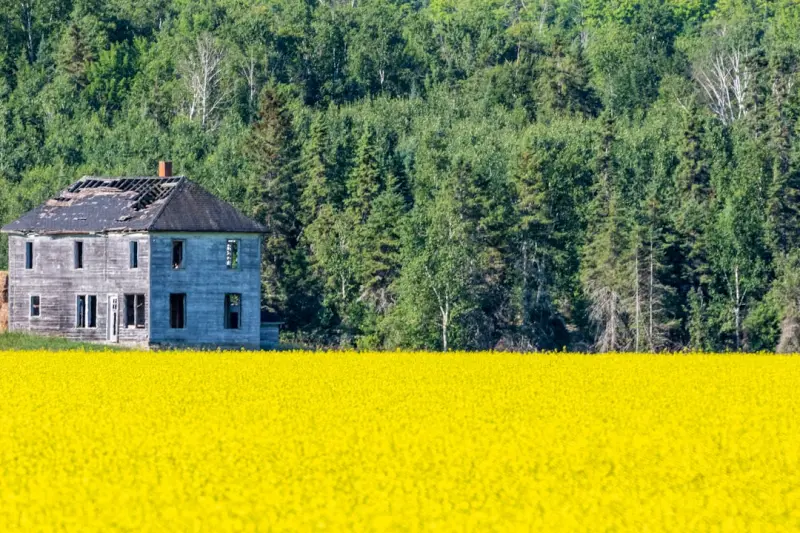
Why the Modern Canadian Homestead Is More Than a Trend
Living in Canada has always meant balancing the raw beauty of the landscape with the practicalities of everyday life. From the rugged coastlines of the Maritimes to the pine‑scented valleys of the Rockies, our surroundings shape the way we eat, work, and unwind. Over the past decade, a quiet movement has been gaining momentum: people are re‑imagining what “home” looks like, blending traditional cabin‑style living with today’s technology, community spirit, and environmental awareness. This isn’t about nostalgia; it’s about crafting a lifestyle that feels both rooted and forward‑thinking.
The Pull of the Land: More Than Just Aesthetic Appeal
When I first visited a remote cottage on the edge of a boreal forest, I expected a simple weekend escape. What I found instead was a thriving micro‑ecosystem where neighbors shared firewood, garden produce, and stories about the land’s history. The pull of the land goes beyond Instagram‑worthy sunsets. It offers:
- Physical well‑being: Fresh air, natural light, and the gentle rhythm of seasonal change can improve sleep patterns and reduce stress.
- Psychological grounding: Knowing where your food comes from and feeling a tangible connection to the earth nurtures a sense of purpose.
- Economic resilience: Growing a portion of your own vegetables, harvesting rainwater, or using a wood‑burning stove can lower monthly expenses.
These benefits are especially relevant now, as many Canadians seek ways to offset rising living costs without sacrificing quality of life.
Designing for the Canadian Climate
Our climate is notorious for its extremes. A successful homestead must respect the harsh winters while celebrating the short, glorious summers. Here are three design pillars that help achieve that balance:
- Thermal Envelope Mastery: Investing in high‑performance insulation, triple‑pane windows, and airtight construction reduces heat loss dramatically. Pair this with a well‑tuned heat‑recovery ventilation system, and you’ll keep indoor temperatures comfortable while maintaining fresh air flow.
- Passive Solar Orientation: Position the main living space to face south, allowing winter sunlight to flood the interior. Overhangs can be sized to block high summer sun, preventing overheating.
- Adaptive Outdoor Spaces: Covered porches, screened-in porches, and heated patios extend the usable season. A simple wood‑burning fire pit or a small, insulated greenhouse can keep you connected to the outdoors year‑round.
Integrating Technology Without Losing the Rustic Feel
There’s a misconception that “off‑grid” equals “low‑tech.” In reality, many modern homesteads use smart solutions to enhance sustainability. For instance, a digital connectivity hub can monitor energy consumption, control heating zones, and even track soil moisture levels for your garden. These tools let you make data‑driven decisions, ensuring you use only the resources you need.
At the same time, it’s essential to keep technology as a servant, not a master. Simple, durable devices—like a programmable thermostat that learns your schedule or a solar‑powered water pump—provide the benefits of modern convenience while staying true to the homestead’s low‑impact ethos.
Food Sovereignty: From Backyard Gardens to Community Co‑ops
One of the most rewarding aspects of a Canadian homestead is the ability to produce food in a way that honors the land. Whether you have a sprawling acre or a modest balcony, there are steps you can take:
- Seasonal Planting Calendars: Align your garden’s sowing schedule with regional frost dates. In the Prairies, for example, cool‑season crops like kale and peas thrive early, while warm‑season tomatoes need the protection of a high tunnel.
- Polyculture Techniques: Mimic natural ecosystems by pairing complementary plants. The “three sisters” (corn, beans, squash) is a classic Indigenous method that maximizes space and soil health.
- Community Sharing: Form a neighborhood seed‑swap or a weekly produce exchange. These initiatives create social bonds and reduce waste, while also providing a safety net during unexpected weather events.
Financial Sustainability: Smart Ways to Keep Costs Low
Living sustainably often translates into financial savings, but it requires strategic planning. A few budget‑friendly strategies include:
- Energy Audits: Conduct a DIY audit or hire a professional to pinpoint heat loss. Simple fixes—like sealing gaps around doors—can slash heating bills.
- Bulk Purchasing & DIY: Buying firewood in bulk, making your own compost bins, and constructing furniture from reclaimed lumber cut expenses dramatically.
- Multi‑Purpose Structures: Design spaces that serve dual functions, such as a workshop that doubles as a guest room, reducing the need for extra square footage.
Community as the Heartbeat of Modern Homesteads
No homestead exists in isolation. The most vibrant projects are those that weave themselves into the fabric of the surrounding community. Here are three ways to foster those connections:
- Skill‑Sharing Workshops: Host monthly gatherings where neighbours teach canning, woodworking, or basic solar installation. The knowledge exchange strengthens resilience and builds lasting friendships.
- Shared Transportation Networks: Organize a car‑share or a community bike program to reduce individual vehicle reliance, especially useful in regions where public transit is sparse.
- Local Market Participation: Set up a stall at the nearest farmer’s market to sell surplus produce, honey, or handcrafted items. Not only does this generate income, it also showcases the homestead’s story.
Balancing Tradition and Innovation
Canada’s heritage is rich with Indigenous stewardship practices and early settler ingenuity. Modern homesteaders can honor that legacy by incorporating time‑tested methods—like natural building materials (adobe, straw‑bale, or timber framing)—while also embracing innovative techniques such as rainwater harvesting systems that meet today’s efficiency standards.
For example, a traditional log cabin can be retrofitted with a solar photovoltaic array that powers lights and small appliances. This hybrid approach respects the aesthetic and cultural significance of the original structure while providing the comforts of contemporary living.
Case Study: A Tiny Cabin on the Edge of Lake Superior
Consider the story of Maya and Lucas, a young couple who left the hustle of Toronto for a 0.8‑acre parcel overlooking Lake Superior. Their journey illustrates the principles discussed above:
- Design: They chose a compact, insulated timber‑frame cabin with a south‑facing glass wall to capture winter sun. A green roof provides additional insulation and a habitat for local pollinators.
- Technology: A modest 2‑kW solar array paired with a battery bank supplies electricity for lights, a small fridge, and a Wi‑Fi hotspot for remote work. They use a smart thermostat that integrates with a weather‑forecast API to pre‑heat the house before a cold snap.
- Food Production: A raised‑bed garden yields tomatoes, beans, and herbs throughout the growing season. In winter, they use a cold frame and a root cellar to extend harvests.
- Community Integration: The couple joined a nearby co‑op that shares a bulk‑buy program for firewood and organizes monthly potluck dinners. Their involvement has turned a solitary retreat into a vibrant social hub.
- Financial Impact: By generating their own electricity and cutting grocery costs, Maya and Lucas reduced their household expenses by nearly 30 % within the first year.
Their story demonstrates that a thoughtfully designed homestead can thrive financially, environmentally, and socially—all without sacrificing modern comforts.
Practical Steps to Start Your Own Homestead Journey
If the idea of a Canadian homestead resonates with you, here’s a roadmap to get started:
- Assess Your Goals: Are you looking for a full‑time retreat, a weekend getaway, or a supplemental food source? Your objectives will dictate the size and scope of the project.
- Choose the Right Location: Research zoning regulations, water rights, and soil quality. Proximity to a town can simplify access to markets and services.
- Develop a Master Plan: Sketch out placement of the dwelling, garden zones, water collection systems, and any outbuildings. Incorporate passive‑solar principles from the outset.
- Start Small: Begin with a modest garden or a single solar panel. Incremental improvements allow you to learn and adapt without overwhelming financial risk.
- Engage Neighbors Early: Attend local council meetings, join community groups, and introduce yourself. Building goodwill from day one paves the way for future collaborations.
Future Outlook: The Homestead as a Model for Sustainable Communities
As climate change intensifies and urban housing costs climb, the homestead model offers a scalable alternative for many Canadians. Municipalities are beginning to recognize this potential, with pilot programs that provide tax incentives for eco‑friendly building practices and grants for renewable energy installations.
Imagine a network of small‑scale homesteads linked by shared resources—collective solar farms, community seed banks, and cooperative distribution hubs. Such a tapestry could reduce pressure on urban infrastructure while fostering a resilient, locally sourced food system.
Final Thoughts: Your Own Slice of Canadian Serenity
Re‑imagining the Canadian homestead isn’t about romanticizing the past; it’s about crafting a future where technology, community, and nature coexist harmoniously. Whether you have acres of forest or a modest backyard, the principles of thoughtful design, sustainable practices, and strong community ties can transform any space into a sanctuary that supports both personal well‑being and the broader environment.
So, take that first step—draw a sketch, talk to a neighbour, or plant a seed. The journey to a more grounded, purposeful Canadian life is waiting just beyond the next maple‑lined road.

Related Posts
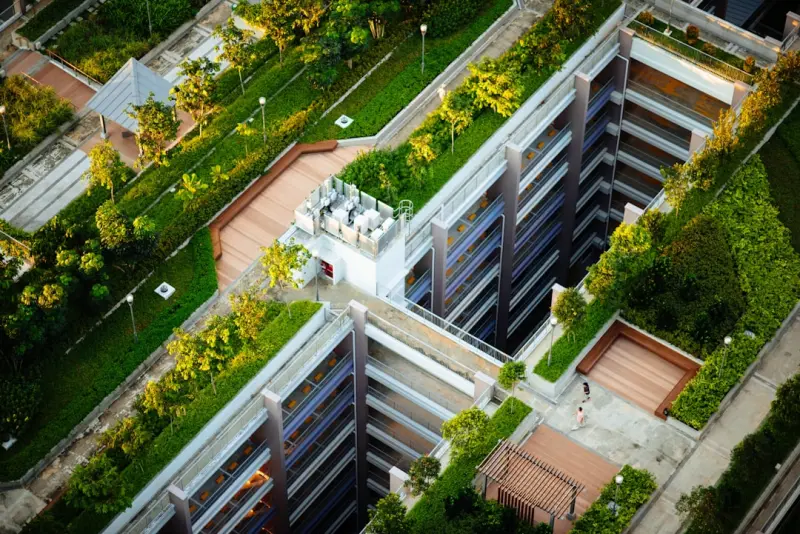
Rooftop Gardens: How Canadians Are Turning Cityscapes into Food Sanctuaries
Rooftop gardens are reshaping Canadian cities by providing fresh food, cooling urban heat islands, a... Read More

Northern Scents: Seasonal Fragrances for a Cozy Home
Explore the art of turning native Canadian woods, garden herbs, and kitchen leftovers into seasonal ... Read More

How Canada’s Community Canoe Clubs Are Rekindling Connection and Craft
Across Canada, community canoe clubs are experiencing a renaissance, uniting locals through shared h... Read More
Top Posts
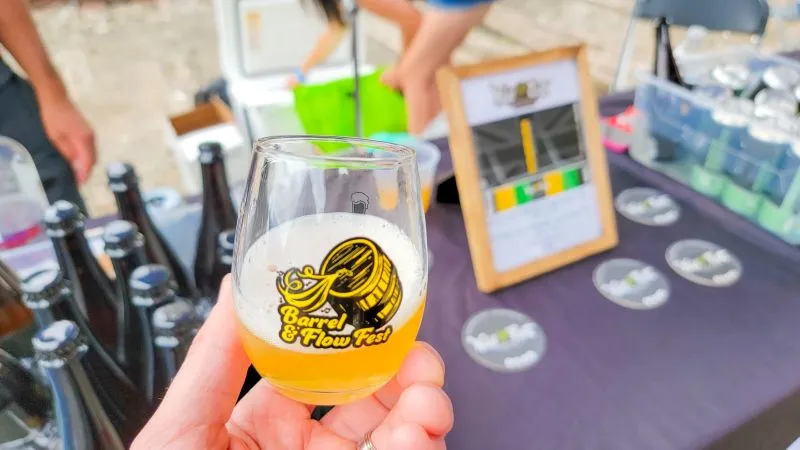
Inaugural Flow Fest Beer Festival Set to Take Place Saturday, July 26
Get ready for a new summer tradition! The Niagara Falls Exchange is proud to present the inaugural Flow Fest Beer Festival in partnership with Counterpart Brewi...Read More

Pixelated Playgrounds: Canada’s VR Arcade Boom
A deep dive into the rise of VR arcades across Canada, highlighting how immersive tech is creating new community hubs, boosting local economies, and offering fr...Read More

Rail Romance: Rediscovering the Golden Age of Train Travel
Discover why trains are the hottest travel trend, offering sustainable, immersive experiences that blend luxury, culture, and adventure on the rails....Read More
Why Canada’s National Digital ID Could Redefine SaaS Playbooks
A federal digital identity platform promises frictionless onboarding, granular access control, and built‑in compliance for Canadian SaaS companies. This post ...Read More
0 Comments
Post Comment
You will need to Login or Register to comment on this post!